The Technical Demands of Automotive Care Fluid Packaging
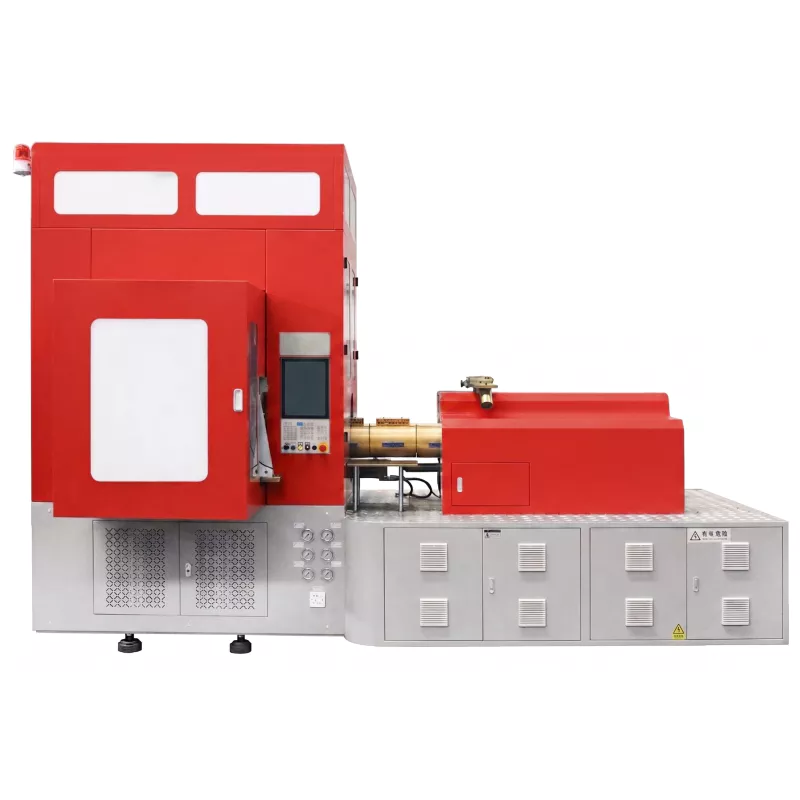
The global automotive care products market — encompassing engine oil additives, coolant/antifreeze, windshield washer fluid, brake fluid, power steering fluid, transmission fluid, car wash shampoo, wax, and specialty surface treatments — represents a technically demanding packaging segment where chemical resistance, structural integrity under temperature extremes, consumer safety, and brand differentiation all converge as critical requirements. The plastic bottles and containers for automotive care fluids must simultaneously resist complex chemical formulations, withstand the temperature cycles of automotive storage environments (from -30°C to +60°C), provide the structural rigidity needed for pour and dispense operations, and carry the prominent safety labeling required by hazardous material regulations. The ISBM machine — one-step Injection Stretch Blow Molding machine — addresses these demanding requirements through its material flexibility, precise wall thickness control, and high-quality label-panel surface that automotive care packaging demands.
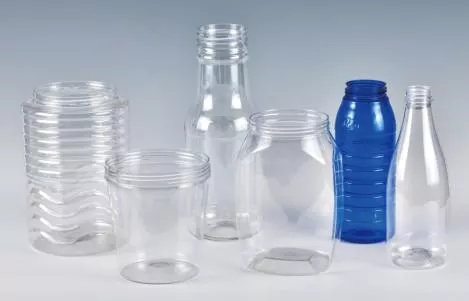
Automotive care fluid packaging spans a wide range of container sizes and chemical types. Engine oil additive packages are typically packaged in 250–500ml bottles; coolant/antifreeze in 1L–5L containers; windshield washer fluid in 1L–5L bottles; and specialty automotive surface treatments in 100–500ml precision applicator bottles. Each of these formats presents specific packaging performance requirements that ISBM technology is uniquely positioned to address through its combination of design flexibility, material compatibility, and production precision.
Chemical Compatibility — Matching Materials to Automotive Fluid Chemistries
Engine Oil Additives & Lubricants
Engine oil additive packages and concentrated lubricant additives are petroleum-based or synthetic oil formulations containing detergents, dispersants, anti-wear agents, viscosity modifiers, and antioxidants in organic solvent carriers. HDPE and PP demonstrate excellent compatibility with petroleum-based automotive lubricant and additive formulations at ambient and elevated storage temperatures. For synthetic automotive lubricant products based on polyalphaolefin (PAO) or ester base stocks, PP is preferred over PET due to its superior resistance to ester-induced stress cracking. ISBM machines processing HDPE or PP for automotive lubricant packaging deliver containers with the structural rigidity, chemical resistance, and consistent wall thickness needed for reliable performance in garage and workshop storage environments.
Coolant & Antifreeze (Ethylene Glycol Based)
Automotive coolant and antifreeze products are typically formulated as 50–100% ethylene glycol solutions with corrosion inhibitor packages. Both PET and HDPE demonstrate good compatibility with ethylene glycol coolant formulations at ambient storage temperatures. PET is particularly suitable for premium coolant packaging where transparency is desired — allowing consumers and mechanics to verify coolant color (which varies by formulation type: green, orange, pink, blue) as a product identification aid. HDPE is preferred for value-tier coolant packaging and for large-format 5L containers where lower material cost and opacity (for light-sensitive inhibitor packages) are priorities.
Windshield Washer Fluid
Windshield washer fluid is typically formulated as a mixture of methanol or ethanol (20–50%), water, surfactants, and blue dye. The alcohol content — particularly methanol at concentrations above 30% — presents a stress cracking risk for PET, making PP or HDPE the preferred materials for windshield washer fluid bottles. However, for low-alcohol (below 20% ethanol) summer washer fluid formulations, PET can be used successfully and offers the visual clarity advantage that allows the characteristic blue color of windshield washer fluid to display attractively through the bottle wall — a significant retail shelf differentiation factor.
Brake Fluid (DOT 3, DOT 4, DOT 5.1)
Automotive brake fluid is a polyglycol ether or silicone-based hydraulic fluid with strict regulatory specifications (FMVSS 116 / ISO 4925). Polyglycol ether-based brake fluids (DOT 3, DOT 4, DOT 5.1) are compatible with HDPE and PP containers, but are incompatible with standard PET due to glycol ether-induced stress cracking. Silicone-based brake fluid (DOT 5) requires specialty material testing for container compatibility. For brake fluid packaging produced on ISBM machines, PP is the recommended material, providing the chemical resistance needed across all DOT brake fluid specifications while enabling production in the 125–500ml container formats standard for brake fluid retail packaging.
Material Selection Guide for Automotive Care Bottles
| Product Type | Key Chemical | Recommended Material | Container Feature |
|---|---|---|---|
| Engine Oil Additive | Petroleum / PAO | HDPE / PP | Precision pour spout, label panel |
| Coolant / Antifreeze | Ethylene glycol 50–100% | PET (clear) / HDPE (opaque) | Color visibility, large format |
| Windshield Washer | Methanol / ethanol 20–50% | PP / HDPE | Large format, easy-pour handle |
| Brake Fluid DOT 3/4 | Polyglycol ether | PP / HDPE | Small format, tamper evidence |
| Car Wash Shampoo | Surfactant / water | PET / PETG | High gloss, brand design |
Safety Labeling & Warning Information Requirements
Automotive care fluids classified as hazardous chemicals — including engine oils, coolants, brake fluids, and solvents — are subject to comprehensive hazard communication regulations in all major markets that require prominent safety labeling on containers. ISBM-produced automotive care bottles feature smooth, flat label panels that accommodate all standard labeling methods:
- GHS/CLP labeling: Global Harmonized System and EU CLP regulation requirements for pictograms, signal words, hazard and precautionary statements on automotive chemical packaging
- OSHA HazCom 2012: U.S. OSHA Hazard Communication Standard requirements for Safety Data Sheet reference and hazard labeling on automotive chemical products
- SAE / ASTM product identification: Society of Automotive Engineers and ASTM International grade identification markings (SAE 5W-30, DOT 4, ASTM D3306, etc.) required on automotive fluid packaging in North American and international markets
- Multilingual labeling: For automotive care products distributed across multiple markets, ISBM bottle label panels accommodate multilingual label formats with all required safety information in multiple languages
Container Format Range & Production Specifications
| Container Volume | Typical Product | Neck Diameter | Material |
|---|---|---|---|
| 125–500ml | Brake fluid, oil additive, wax | 20–38mm | PP / HDPE / PET |
| 500ml–1L | Coolant concentrate, car shampoo | 28–48mm | PET / HDPE / PP |
| 1L–2L | Ready-to-use coolant, washer fluid | 38–62mm | PP / HDPE |
| 3L–5L | Bulk washer fluid, large coolant | 62–90mm | HDPE / PP |
Global Market Applications
ISBM machines for automotive care fluid bottle production serve the global automotive aftermarket — a market valued at over USD 400 billion annually and growing steadily with increasing vehicle ownership in emerging economies. Key production markets include China (the world’s largest automotive market and a major automotive care product producer), the United States, Germany, Japan, South Korea, Brazil, and India. The rapid growth of the electric vehicle (EV) segment is reshaping some automotive care fluid categories — reducing demand for traditional engine oil-related products while creating new demand for EV-specific cooling fluids, battery maintenance products, and exterior care formulations — all of which require packaging produced on ISBM machines with the material flexibility to adapt to new formulation chemistries.
Explore Related Content
- Browse our ISBM Machine range including models optimized for multi-material automotive care fluid bottle production.
- Explore our industrial and automotive packaging solutions covering lubricants, automotive chemicals, and specialty fluid containers.
- Contact our engineering team via our inquiry page to discuss your automotive fluid bottle chemical compatibility requirements and production specifications.
Engineer the Right Automotive Care Bottle with ISBM Technology
Ever Power HG’s ISBM machines deliver the chemical resistance, structural performance, and label-panel quality that automotive care fluid bottle manufacturers require worldwide. From 125ml brake fluid bottles to 5L coolant containers, our engineering team will configure the right material, machine platform, and mold design for your specific automotive fluid formulations and production volume requirements.