When packaging manufacturers evaluate blow molding technology for a new product line, one of the first strategic decisions they face is whether to invest in a one-step (single-stage) system or a two-step (two-stage) system. Both approaches produce hollow plastic containers, but the path from raw material to finished bottle is structurally different — and those structural differences drive everything from capital cost and footprint to bottle quality and production flexibility.
This article provides a rigorous engineering and economic comparison of both processes so you can make the right technology choice for your product volume, bottle specification, and investment horizon. IBM machines, covered in our IBM machine catalogue, are a classic one-step technology.
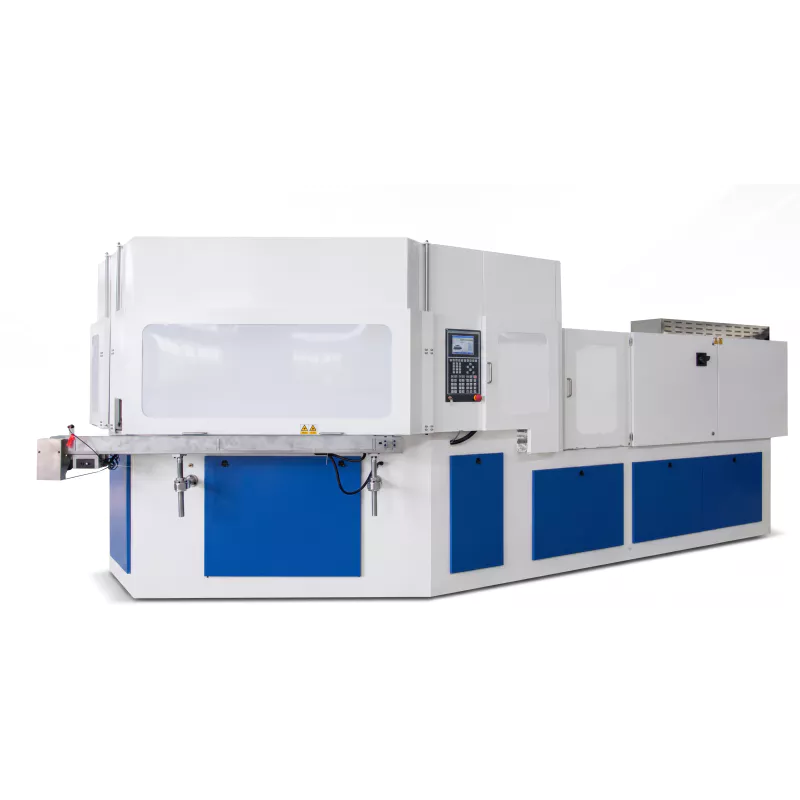
Fig 1 — ZQ135 one-step IBM machine: preform injection and bottle blowing in a single continuous cycle
1. The One-Step vs Two-Step Debate Explained
The terms “one-step” and “two-step” describe how many separate production stages exist between the raw plastic pellet and the finished blown bottle. In a one-step process, both the preform and the bottle are made in the same machine in one continuous sequence. In a two-step process, preforms are manufactured in one machine and stored, then transferred to a completely separate blow moulding machine for the blowing stage.
The choice between them is not simply a question of which technology is “better” — it is a function of volume, product type, capital availability, and operational philosophy. Both approaches are commercially successful at scale; understanding where each wins is the key decision variable.
2. What Is One-Step (Single-Stage) Blow Molding?
In a one-step blow molding machine, the plastic pellets enter the barrel, are plasticised, injected into a preform mold, and — while still retaining heat from injection — transferred to the blow station where compressed air forms the final bottle. This happens within the same machine cycle, typically 8–25 seconds total.
Key characteristics of one-step systems:
- No intermediate preform storage — the preform never cools completely before blowing, so no reheating energy is required.
- Compact footprint — a single machine replaces two separate production lines and the logistics between them.
- Lower preform inventory risk — no preforms to manage, count, or potentially degrade in storage.
- Faster changeover — changing product size requires changing one mold set, not reconfiguring two separate machines.
- Inherent energy efficiency — retained injection heat reduces total energy per bottle versus reheating cold preforms.
IBM is the definitive one-step process for PP and PE bottles. One-step ISBM extends this architecture to PET and high-clarity containers. Both are available in our machine range.
3. What Is Two-Step (Two-Stage) Blow Molding?
In a two-step system, Stage 1 is a dedicated injection moulding machine that produces preforms at high speed and high volume. These preforms are cooled to ambient temperature, inspected, and stored — sometimes in bulk quantities representing days or weeks of blow moulding production. Stage 2 is a reheat blow machine that loads preforms from storage, reheats them in an infrared oven to the blowing temperature window, stretches and blows them into bottles, and ejects finished containers.
Key characteristics of two-step systems:
- Decoupled production — preform production and blowing can run at independent rates; one line can continue if the other stops.
- Very high output rates — specialised blow machines can run 50,000–100,000 bottles per hour for standard PET beverage sizes.
- Preform sourcing flexibility — operators can buy preforms externally rather than making them in-house, reducing capital if volumes justify outsourcing.
- Higher energy cost — reheating cold preforms from ambient temperature requires substantially more energy per bottle than retaining injection heat.
- Larger floor space requirement — two machines plus preform storage and handling logistics between them.
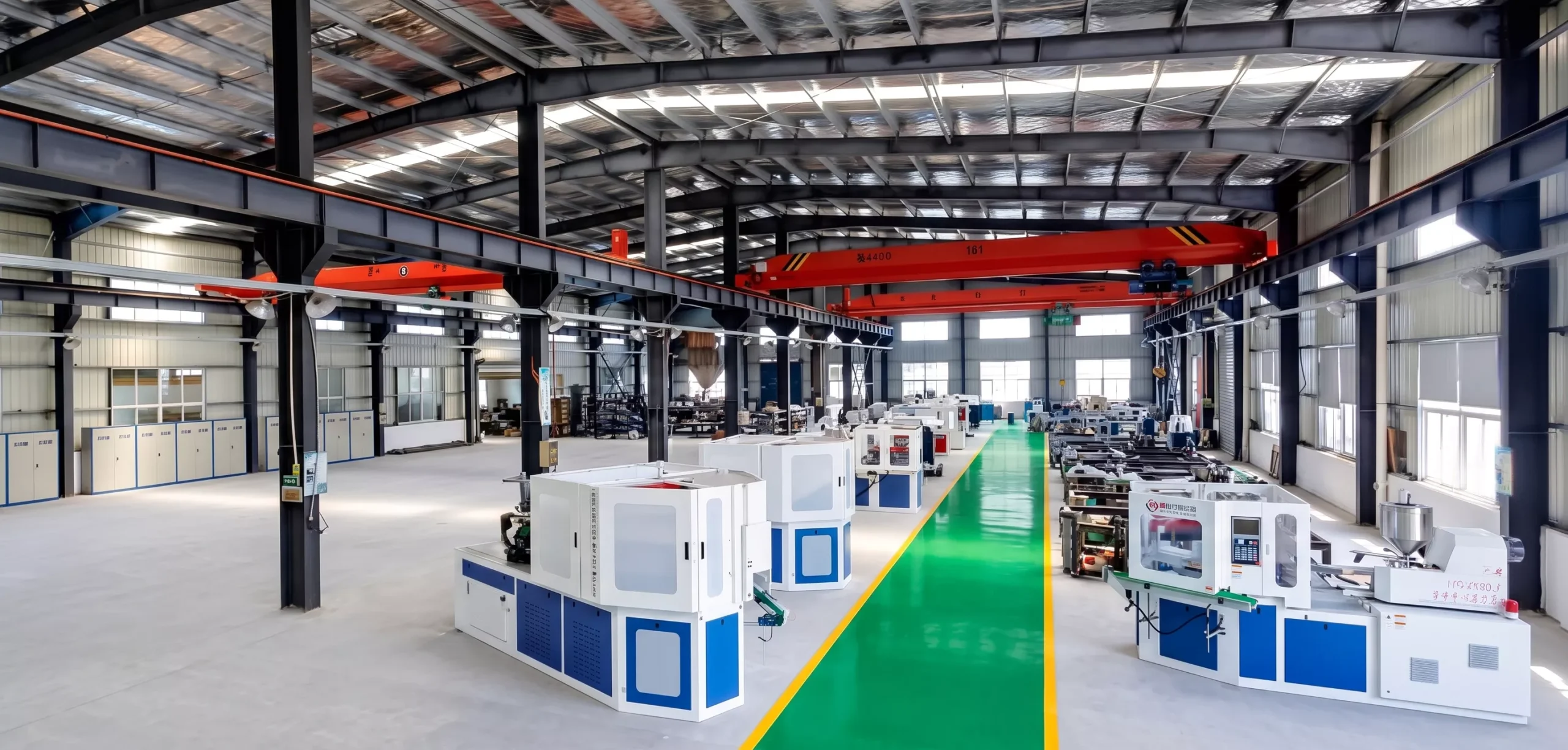
Fig 2 — One-step IBM line: compact single-machine architecture versus two-step multi-machine layout
4. Process Flow Comparison Side by Side
One-Step Flow
- Dry resin pellets
- Plasticise in barrel
- Inject preform around core rod
- Index to blow station (hot)
- Blow to final shape
- Eject finished bottle
Total time: 8–25 seconds per cycle
Two-Step Flow
- Dry resin pellets
- Plasticise and inject preform (Stage 1 machine)
- Cool and eject preform
- Store and transport preforms
- Load preforms into reheat oven
- Reheat to blowing temperature
- Stretch and blow (Stage 2 machine)
- Eject finished bottle
Stage 1 + storage + Stage 2 = hours or days
5. Equipment and Space Requirements
| Factor | One-Step | Two-Step |
|---|---|---|
| Number of machines | 1 | 2 (injection press + blow machine) |
| Typical footprint | 4–8 m² | 15–35 m² + storage area |
| Capital investment | $40,000–$150,000 | $120,000–$400,000+ |
| Operators required | 1 per shift | 2–4 per shift (both stages) |
| Auxiliary equipment | Dryer, chiller, conveyor | Dryer, chiller, preform conveyor, storage system, reheat oven, blow conveyor |
| Energy per 1,000 bottles | 8–18 kWh | 18–35 kWh |
6. Product Quality Comparison: Clarity, Strength, Consistency
For PP and PE bottles, one-step IBM produces results that two-step cannot match — particularly for neck-finish dimensional accuracy. The injection mold forms the thread to ±0.05 mm without any post-processing. Two-step systems using PP or PE are uncommon precisely because these materials do not respond as well to reheating as PET does.
For PET bottles, two-step reheat blow lines can achieve marginally better optical clarity through more uniform infrared heating in a dedicated oven. One-step PET systems retain residual heat from injection, which requires careful preform design to achieve uniform blowing temperature. For standard pharmaceutical and cosmetic PET bottles under 200 ml, one-step quality is fully adequate. For ultra-clear beverage bottles at high volume, two-step typically wins.
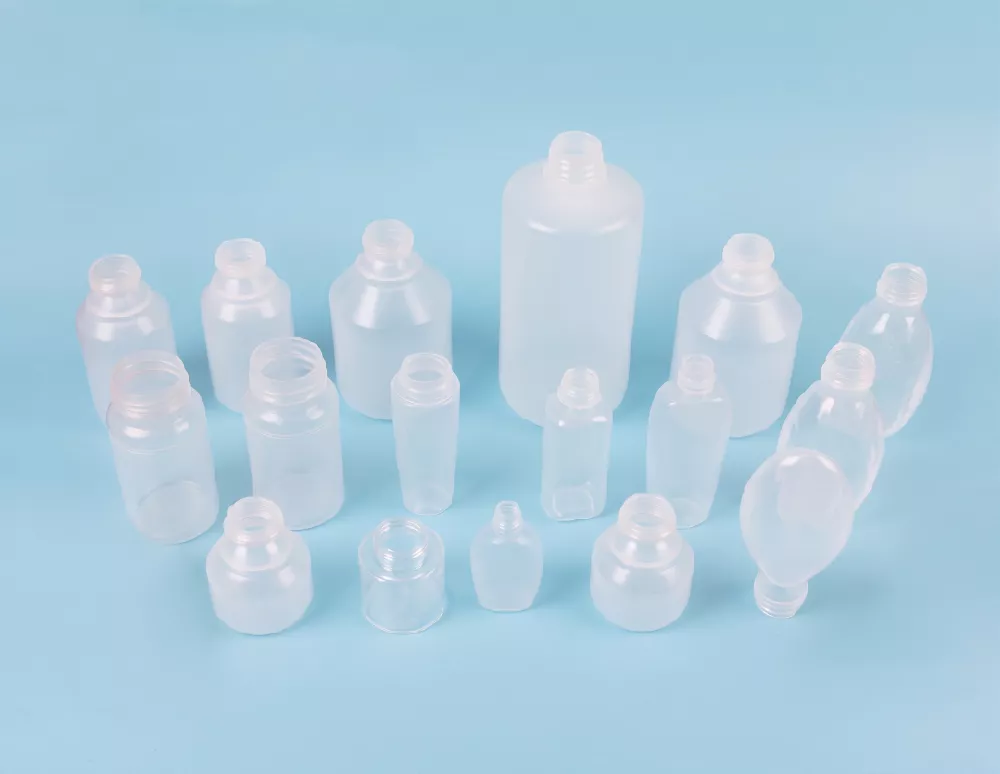
Fig 3 — PP bottles: one-step IBM delivers superior neck accuracy versus any two-step PP process
7. Material Efficiency and Scrap Rate
One-step IBM produces less than 1% material waste — only the sprue runner from the injection stage, which can be recovered and reground in most applications. There is no flash and no preform trimming.
Two-step systems have two sources of waste: injection stage runners from preform production, and blow stage scrap from preforms that break, jam, or produce out-of-spec bottles during the reheat-blow cycle. A reasonably efficient two-step line runs 2–5% total scrap including logistics damage; poorly managed lines can exceed 10%. Additionally, reground two-step scrap is harder to manage because it is a mix of preform and bottle material with different thermal histories.
8. Production Volume Suitability
One-Step Strengths
- Small batch: 50,000–2,000,000 bottles/year
- Multi-SKU operations with frequent changeovers
- Products requiring precision neck finish
- PP/PE primary material
- Pharmaceutical and cosmetic grades
- Operations with limited floor space
Two-Step Strengths
- Very high volume: 10M+ bottles/year per line
- Standard PET beverage and water bottles
- Operations where preform sourcing is available
- Lines running 24/7 on single SKU
- Maximum throughput per shift hour
9. Investment Cost and Operating Cost Comparison
| Cost Element | One-Step IBM | Two-Step ISBM |
|---|---|---|
| Machine investment | $40,000–$150,000 | $120,000–$400,000+ |
| Mold investment | $15,000–$40,000 | $25,000–$80,000 (2 mold sets) |
| Energy per year (2M bottles) | ~$9,000 | ~$22,000 |
| Labour (operators/shift) | 1 | 2–4 |
| Break-even volume vs one-step | — | ~5–10M bottles/year |
10. Which Is Right for Your Application?
Use the following framework as your starting decision logic:
- Choose one-step IBM if: volume is below 3 million bottles/year per SKU; material is PP or PE; precision neck finish is required; floor space is constrained; product mix changes frequently.
- Choose one-step ISBM if: material is PET; volume is 500,000–5,000,000 bottles/year; bottle size is below 1 L; pharmaceutical or cosmetic application.
- Choose two-step ISBM if: PET bottle volume exceeds 5 million/year; single SKU runs dominate; maximum throughput per shift hour is the primary objective; preform sourcing is available locally.
Still unsure? Our technical team can model the break-even point for your specific product, volume, and local energy and labour costs. Contact us for a no-obligation analysis.
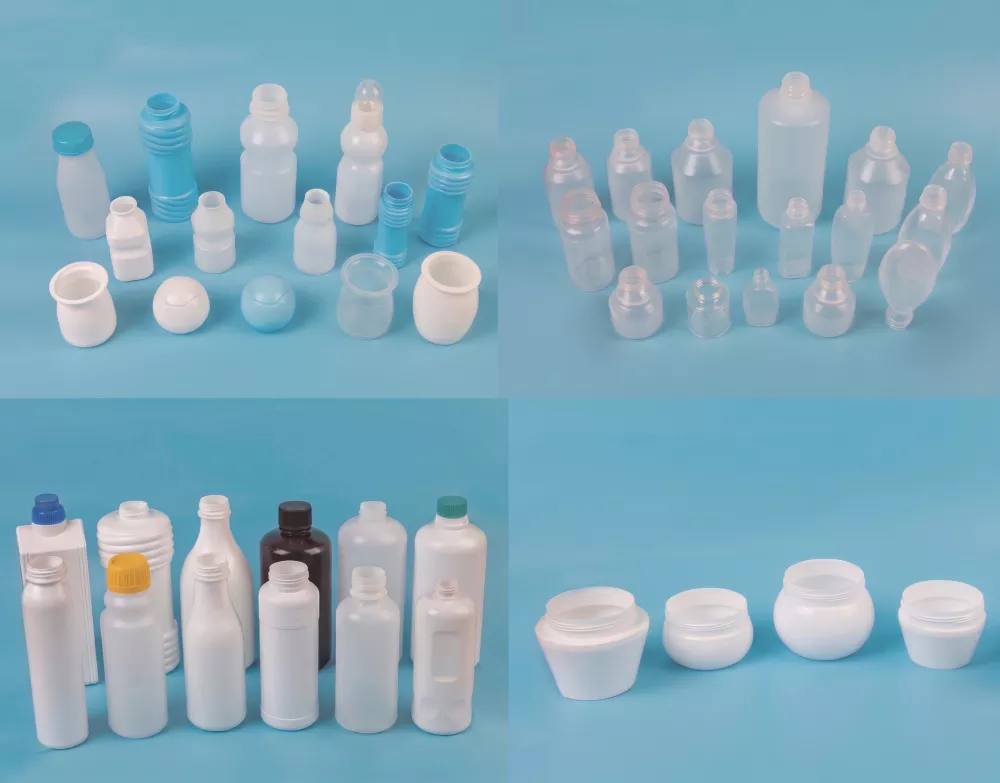
Fig 4 — One-step IBM bottle range: pharmaceutical, cosmetic, and food containers from a single compact machine
11. Frequently Asked Questions
What is one-step blow molding?
One-step blow molding performs preform injection and bottle blowing in the same machine without any intermediate storage or reheating step. The preform is transferred hot directly from the injection station to the blow station on a rotary table.
What is two-step blow molding?
Two-step blow molding separates preform production from bottle blowing into two independent machines. Preforms are injection moulded, cooled, stored, then reheated in a separate blow machine before being blown into bottles.
Which process is better for small production volumes?
One-step is generally better suited to small and medium production volumes because it eliminates the need for large preform inventory buffers and the capital cost of two separate machines.
Which process produces better bottle clarity?
Two-step processes allow more precise preform temperature control in the reheat oven, which can produce more uniform biaxial orientation and marginally better optical clarity for high-volume PET bottles. One-step quality is fully adequate for pharmaceutical and cosmetic PET applications.
Can one-step machines handle PET?
Yes. One-step ISBM machines process PET for pharmaceutical and cosmetic bottles. For high-volume beverage PET above 5 million bottles per year, two-step lines typically offer lower cost per bottle.
What is the main cost difference between one-step and two-step?
One-step requires a single capital investment but two-step requires both an injection press and a blow machine plus preform logistics infrastructure. Total capital for a two-step line typically exceeds one-step by 40-80% for comparable output at volumes below 5 million bottles/year.
Which process is used for IBM machines?
IBM is inherently a one-step process. The preform is formed and blown in the same machine cycle without any intermediate storage or reheating — this is a fundamental characteristic of IBM technology.
12. Conclusion
One-step blow molding wins on compactness, energy efficiency, material utilisation, and total cost of ownership at volumes below 5 million bottles per year — particularly for PP, PE, and pharmaceutical-grade PET applications. Two-step wins at very high volumes of standard PET bottles where the throughput advantage of specialised reheat blow machines justifies the higher capital and energy investment.
For most pharmaceutical and cosmetic packaging buyers, a one-step IBM or ISBM machine is the right starting point. View our IBM machine range or contact us to discuss which machine size and configuration suits your production target.