Semi-Automatic
PET Blow Molding
Machines
Lower capital investment, fast mould changeover, 220V single-phase power. From 1-litre cosmetic bottles to 20-litre water barrels — EP-HGS blow moulding machines and EP-HGJ preform heaters covering every semi-automatic PET bottle production need.
EP-HGS-200A vs EP-HGS200B — same volume, completely different machines: The EP-HGS-200A is a general-purpose standard machine. The EP-HGS200B is a hot-filling specialist rated to 88–95°C for tea beverage and pasteurisation lines only. Standard PET bottles produced on the EP-HGS-200A will deform on a hot-fill line. See the EP-HGS200B hot-fill specialist →
What Is Semi-Automatic RSBM
Manual Preform Loading — Maximum Flexibility
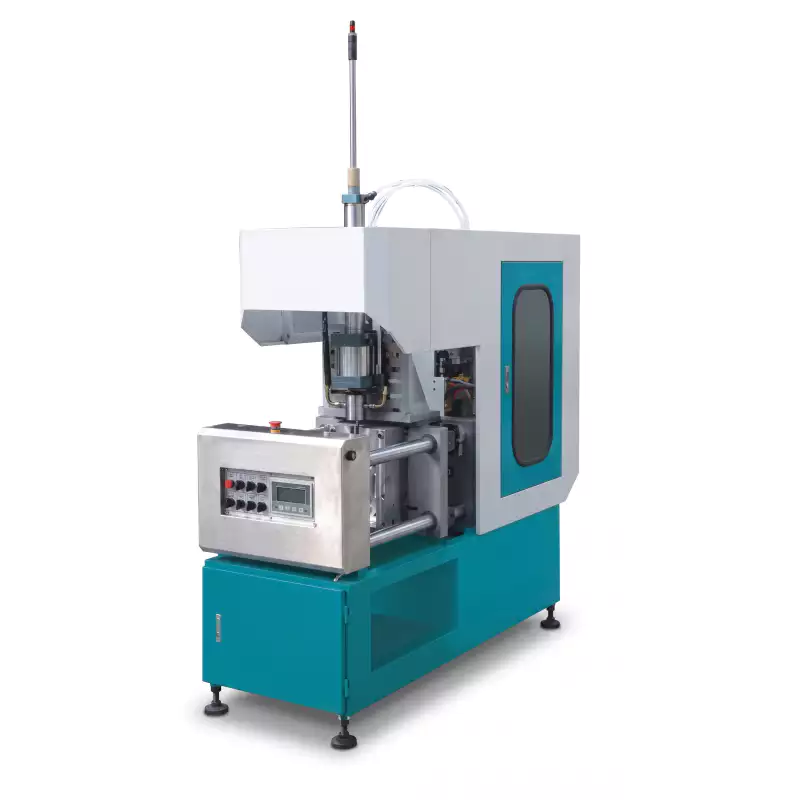
In a semi-automatic RSBM machine, an operator loads heated preforms into the blow station manually for each production cycle. The machine handles stretching, blowing, and bottle discharge automatically — the only manual step is preform loading. This makes semi-automatic machines significantly more capital-efficient than fully automatic lines at lower production volumes, and far more flexible for operations that run many different bottle formats across multiple SKUs.
Every EP-HGS semi-automatic machine requires a separate EP-HGJ series preform heater — the heater pre-conditions preforms to the correct blow temperature before the operator loads them into the blow station. The heater is a separate unit, not integrated into the machine body. Select EP-HGJ-B for wide-mouth jars (neck up to 130mm) or EP-HGJ-CL for standard narrow-neck bottles (neck up to 68mm).
The EP-HGS series runs on 220V single-phase power throughout — no three-phase industrial electrical connection required, regardless of machine size. This is a significant installation advantage for startups, small facilities, and operations in markets where industrial power is unavailable or expensive.
EP-HGS Blow Molding Machines
EP-HGS Semi-Automatic Blow Molding Machines
Select by your container's maximum volume. All EP-HGS machines are single-cavity, operated on 220V single-phase power, and require a separate EP-HGJ preform heater. The EP-HGS200B is the only hot-fill specialist — confirm your filling temperature before ordering.
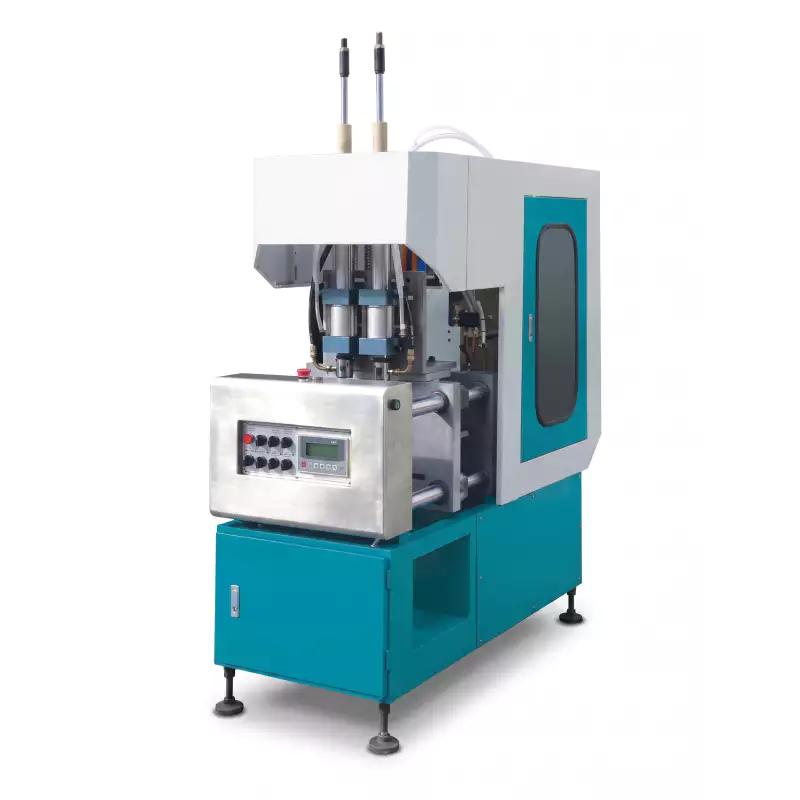
EP-HGS150A
Entry-level semi-automatic machine — smallest footprint (1,400×500×1,500mm) and lightest weight (400 kg) in the EP-HGS series. For startup operations, sample production, and small-batch multi-SKU manufacturing up to 1 litre.
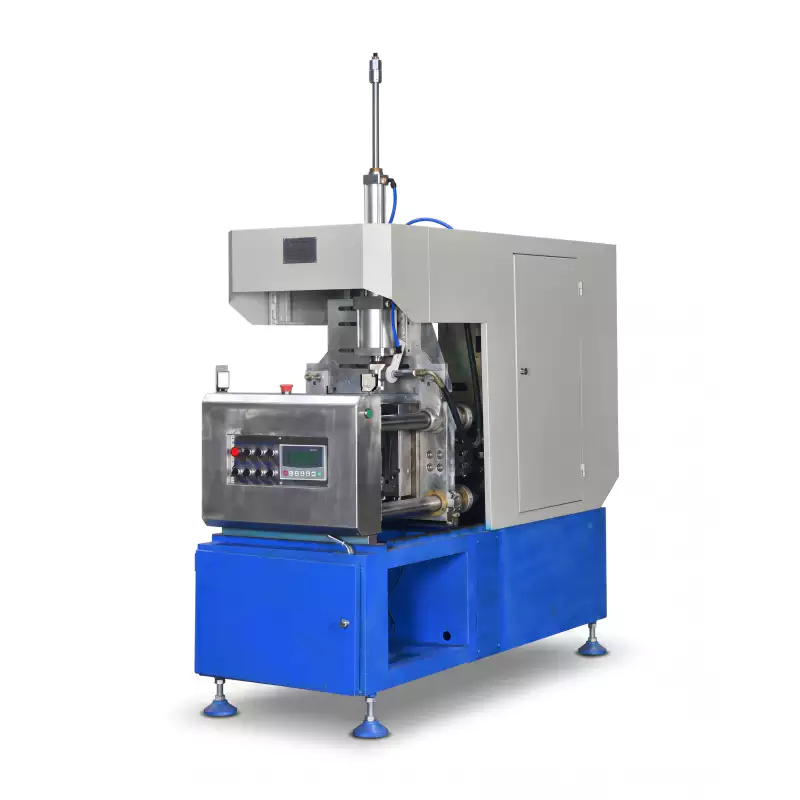
EP-HGS-200A
Standard semi-automatic machine with the widest multi-industry coverage in the EP-HGS series — cosmetic, pharmaceutical, food, beverage, and chemical applications up to 1.25 litres. NOT for hot-filling; see EP-HGS200B for that application.
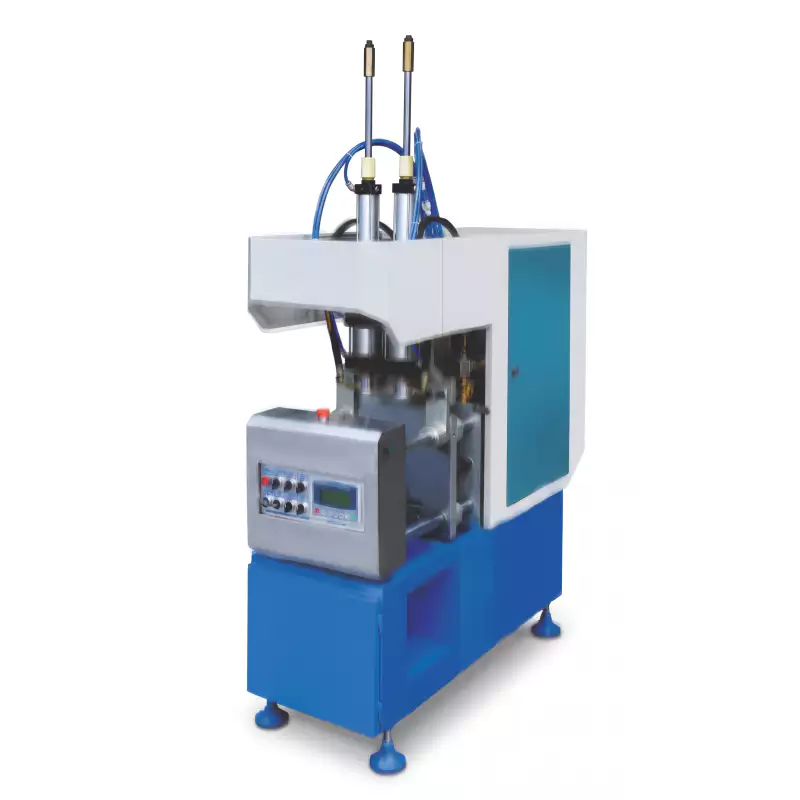
EP-HGS200B
Hot-filling specialist — produces PET bottles rated to 88–95°C for tea beverage, hot-fill juice, and pasteurisation filling lines. The only hot-fill rated machine in the EP-HGS series. NOT a general-purpose machine.
EP-HGS250A
Mid-large capacity machine for 5-litre water bottles, chemical containers, and edible oil containers. The semi-automatic alternative to a fully automatic JS-2C200 line for producers below full-auto volume threshold.
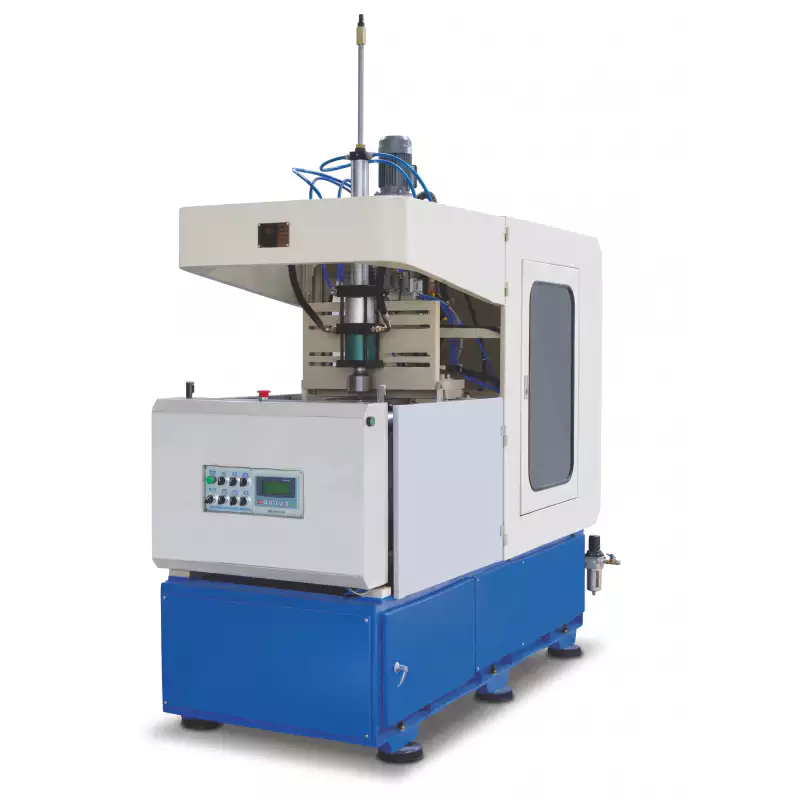
EP-HGS280A
Large capacity machine for 10-litre water dispensers, industrial chemical containers, and food service packaging. Bridges the gap between the 5L EP-HGS250A and 20L EP-HGS-350A. Cannot produce 20L barrels — see EP-HGS-350A for that.
EP-HGS-350A
The largest machine in the EP-HGS series — for 20-litre (5-gallon) water barrels and large-format industrial containers. 1,500 kg machine weight. For regional water delivery operations below fully automatic JS-2C366 scale.
EP-HGJ Series — Required Companion Equipment
Preform Heaters — Required for Every EP-HGS Machine
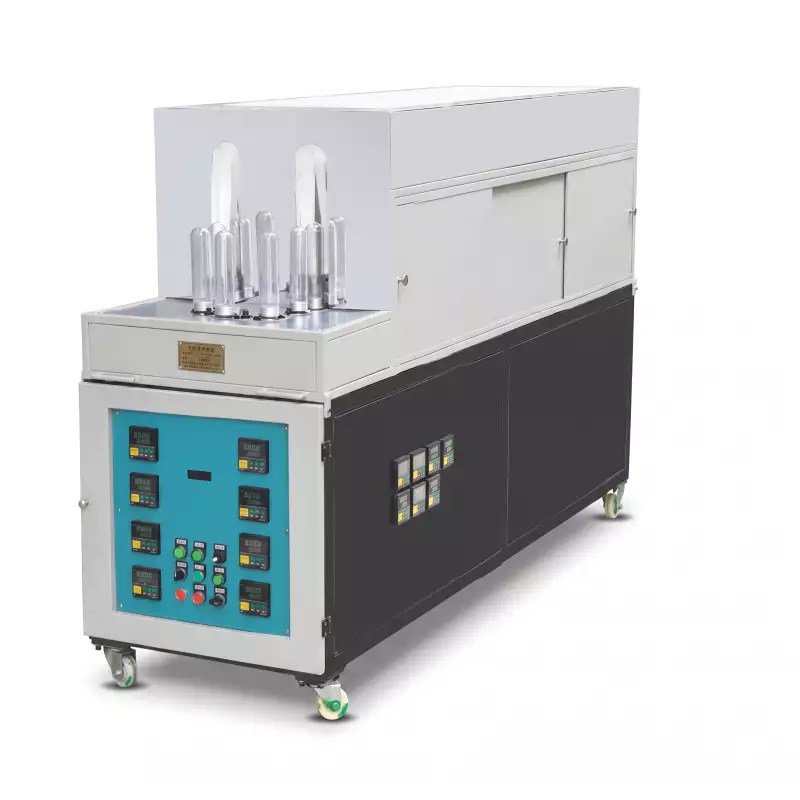
EP-HGS semi-automatic machines do not include integrated preform heating. A separate EP-HGJ preform heater is required for every EP-HGS installation. Select the heater based solely on your bottle's neck diameter — this is the only selection criterion between the two models.
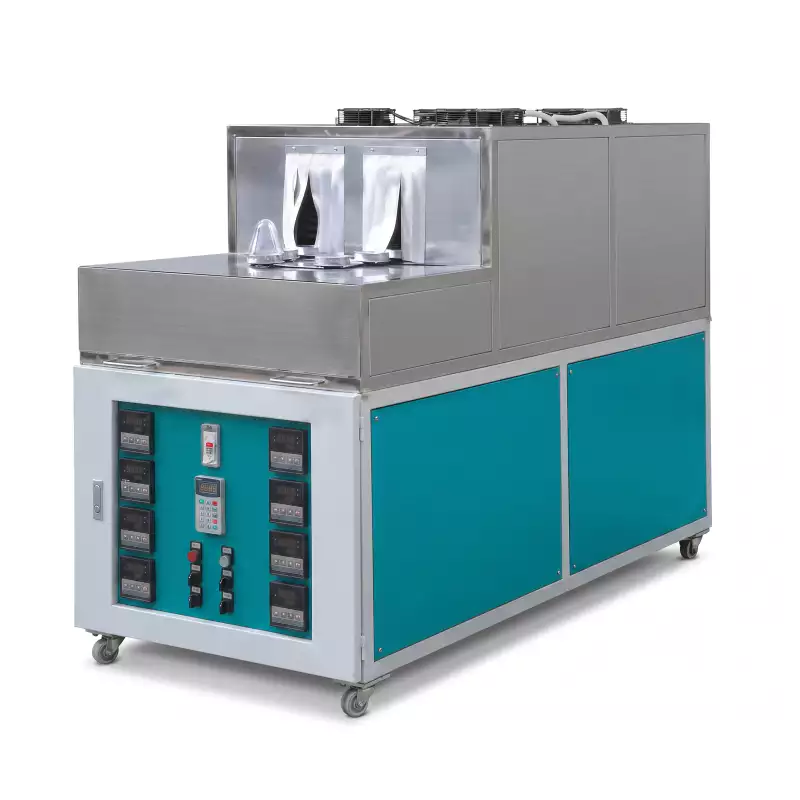
Heater Pairing Rule
→ Neck diameter above 68mm (wide-mouth jars, large-format dispensers): select EP-HGJ-B.
→ Neck diameter 68mm or below (standard narrow-neck bottles): select EP-HGJ-CL. Higher capacity, lighter, more versatile.
⚠️ Note: The EP-HGJ heater requires three-phase, four-wire power supply — different from the EP-HGS blow machine which uses single-phase 220V. Confirm your facility's electrical supply before ordering both units together. Heater output capacity must equal or exceed the blow machine's production rate to avoid bottlenecks.
Selection Guide
Semi-Automatic EP-HGS vs Fully Automatic EP-HGA — Choose by Volume
The output difference between semi-automatic and fully automatic RSBM is significant. Use the table below as a starting reference. For a machine recommendation based on your specific bottle and annual production target, contact our engineering team.
| Factor | Semi-Auto EP-HGS This Series |
Fully Auto 2-Cavity EP-HGA ES Series |
Fully Auto 4-Cavity EP-HGA ES Series |
Fully Auto 6–8 Cavity EP-HGA ES Series |
|---|---|---|---|---|
| Preform Loading | Manual — operator per cycle | Fully automated | Fully automated | Fully automated |
| Output (bph) | 150–1,100 | 1,800–2,400 | 4,600–6,900 | 9,200–~12,000 |
| Annual Capacity* | 1.2M–8.8M | 14M–19M | 37M–55M | 74M–96M |
| Capital Cost | Lower | Mid | Mid-High | High |
| Power Supply | 220V Single-Phase | Three-Phase | Three-Phase | Three-Phase + Auto Line |
| Mould Changeover | Fast · 1.5–6 hrs | Moderate | Moderate | Requires full line stop |
| Multi-SKU Flexibility | Excellent — low changeover cost | Good | Moderate | Low — dedicated lines |
| Operator Required | Yes — per cycle | No | No | No |
| Volume Range | 1L – 20L | 200ml – 5L | 200ml – 2.5L | 200ml – 1.5L |
| Best For | Start-up · multi-SKU · sampling · regional | Dedicated medium-volume lines | High-volume single spec | FMCG-scale production |
*Annual capacity based on 8,000 operating hours. Actual output depends on container size, wall thickness, and cooling water temperature.
Working Process
How a Semi-Automatic EP-HGS Line Operates
A semi-automatic RSBM line consists of two separate units: the EP-HGJ preform heater and the EP-HGS blow moulding machine. The operator bridges the two units manually. Each step is fast — a trained operator typically cycles 500–1,100 preforms per hour on a 1-litre machine.
Load Preforms into EP-HGJ Heater
Preforms are loaded into the EP-HGJ preform heater's carousel. The heater's infrared lamps heat preforms as they rotate through the heating zone — reaching 95–115°C at the bottle body while the neck stays cool. The heater runs continuously throughout the production shift.
Transfer Heated Preforms to Blow Station
When a preform reaches the correct temperature, the operator removes it from the heater and loads it into the EP-HGS blow moulding machine's blow station. This is the manual step in a semi-automatic line — the operator's cycle time is the production rate-limiting factor at high speeds.
Automatic Stretch Blow Moulding Cycle
The EP-HGS machine automatically closes the mould, extends the stretch rod axially, and inflates the preform at 3.0 MPa blowing pressure to produce the finished bottle geometry. The servo-driven cycle is fully automatic — the operator does not intervene during this phase.
Hot-Fill Exception — EP-HGS200B Only
For tea beverage, hot-fill juice, or pasteurisation-line bottles (filling temperature 88–95°C), the production process requires a specific crystalline material structure achievable only on the EP-HGS200B specialist machine. Standard EP-HGS-200A bottles deform when hot-filled. Confirm your filling temperature before machine selection.
Frequently Asked Questions
Common Questions About EP-HGS Semi-Automatic Machines
Find the Right EP-HGS Semi-Automatic Machine
Share your bottle specification — container volume, neck diameter, material, industry application, and annual production target. Our engineering team will confirm the correct EP-HGS machine and EP-HGJ heater pairing and respond within one business day.