
When evaluating plastic container production technology, buyers quickly encounter three acronyms: IBM (injection blow molding), ISBM (injection stretch blow molding), and EBM (extrusion blow molding). Each name describes a fundamentally different process with distinct material compatibility, product geometry capabilities, tooling economics, and quality outcomes. Choosing the wrong technology can mean years of sub-optimal production — or expensive re-tooling.
This article provides a structured, engineering-level comparison of all three technologies so you can match the right process to your product, production volume, and budget.
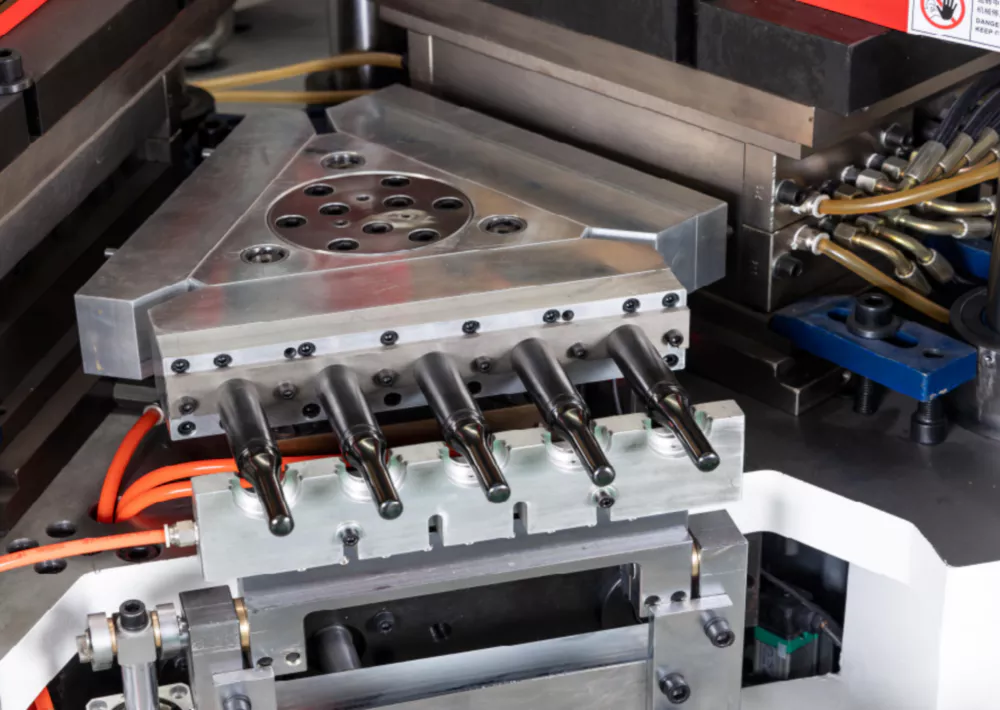
Fig 1 — IBM, ISBM, and EBM serve different bottle geometries, materials, and markets
1. Introduction — Three Main Blow Molding Technologies Compared
All three processes share a common endpoint — a hollow plastic container — but they diverge in how the plastic is melted, how the parison or preform is formed, and whether the plastic is stretched before blowing. These differences cascade into significant variations in:
- Bottle wall uniformity and thickness control
- Neck-finish accuracy
- Material mechanical properties after forming
- Scrap rate and trimming requirements
- Machine cost, mold cost, and operating cost
2. What Is IBM (Injection Blow Molding)?
IBM uses a screw-and-barrel plasticising unit to inject molten plastic around a steel core rod, forming a precise preform. The rod transfers the preform — still hot — to a blow station where compressed air inflates it to the final bottle geometry inside a blow mold. The neck finish is injection-moulded to net dimension and requires no trimming.
IBM excels at small, precise bottles (5–500 ml) with complex neck finishes: pharmaceutical vials, oral liquid bottles, dropper containers, and cosmetic packaging. The process generates zero flash and no trimming waste. Explore our dedicated IBM machine catalogue for model specifications.
3. What Is ISBM (Injection Stretch Blow Molding)?
ISBM adds a mechanical stretch rod that simultaneously elongates the preform axially while air inflates it radially. This biaxial orientation aligns polymer chains in two directions, dramatically increasing tensile strength, barrier properties, and optical clarity — which is why virtually all PET beverage bottles worldwide are made by ISBM.
Our ISBM machine range covers one-step (single-stage) machines where preform injection and stretch-blow occur in the same machine — ideal for precision pharmaceutical and cosmetic PET bottles.
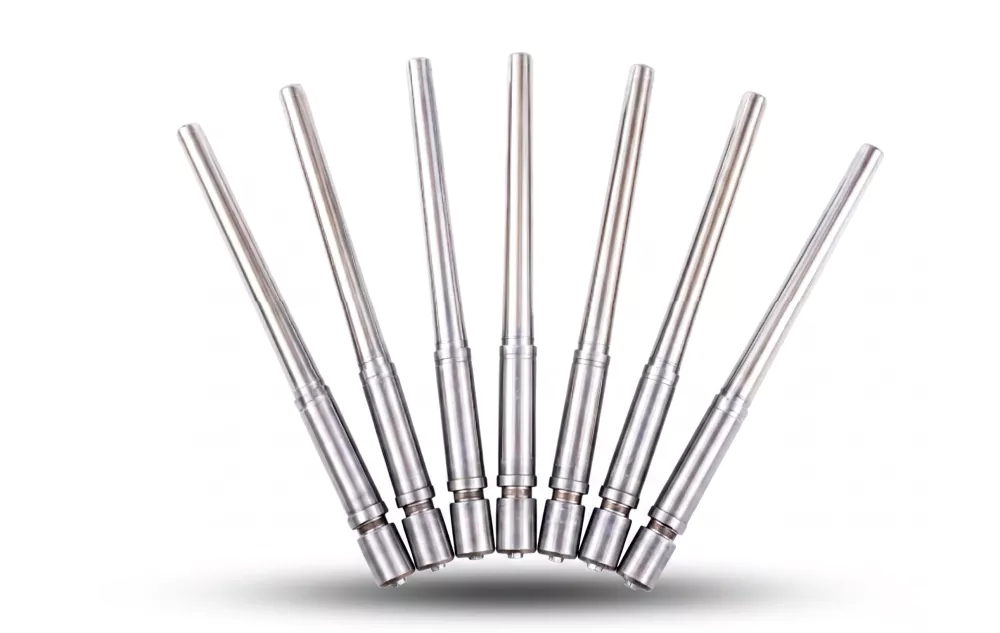
Fig 2 — The stretch rod is unique to ISBM and is absent from IBM and EBM processes
4. What Is EBM (Extrusion Blow Molding)?
EBM continuously extrudes a molten plastic tube (parison) downward from a die head. When the parison reaches the correct length, a blow mold closes around it, a needle or blow pin enters, and compressed air inflates the parison against the mold walls. The mold pinches the bottom and neck shut, creating flash that is trimmed after ejection.
EBM is the technology of choice for HDPE jerry cans, engine oil bottles, automotive ducts, and any container requiring handles, multiple necks, or complex 3D shapes that cannot be produced by IBM or ISBM. Wall thickness uniformity is lower than IBM, and trimming waste adds to material cost.
5. Key Technical Differences: Process, Tooling, Output
| Attribute | IBM | ISBM | EBM |
|---|---|---|---|
| Preform method | Injection around core rod | Injection into mold | Continuous extrusion |
| Stretch rod | None | Yes (axial stretch) | None |
| Neck finish | Injection-moulded, no trim | Injection-moulded, no trim | Blow-formed, trim required |
| Flash / waste | None | None | Yes — pinch-off flash |
| Wall uniformity | Excellent | Excellent | Moderate |
| Handles | Not possible | Not possible | Yes |
| Tooling cost | Medium–High | High | Low–Medium |
| Typical bottle size | 5–500 ml | 50 ml–5 L | 50 ml–30 L+ |
6. Material Compatibility Comparison
| Material | IBM | ISBM | EBM |
|---|---|---|---|
| PP (Polypropylene) | ✓ Excellent | ✓ Good | ✓ Good |
| HDPE | ✓ Good | ◯ Limited | ✓ Excellent |
| PET | ◯ Wide-mouth only | ✓ Excellent | ◯ Limited |
| PVC | ✓ Good | ◯ Limited | ✓ Good |
| PETG | ✓ Good | ✓ Good | ◯ Rare |
7. Product Application Comparison
IBM Best For
- Pharmaceutical oral liquid bottles
- Dropper and nasal spray bottles
- Cosmetic cream jars
- Feeding bottles (PP)
- Wide-mouth food jars
ISBM Best For
- PET water & beverage bottles
- CSD (carbonated soft drink) bottles
- Edible oil bottles
- Pharmaceutical PET bottles
- Clear cosmetic PET jars
EBM Best For
- HDPE milk jugs and jerry cans
- Engine oil and lubricant bottles
- Automotive ducts and tanks
- Large industrial containers
- Bottles with integrated handles
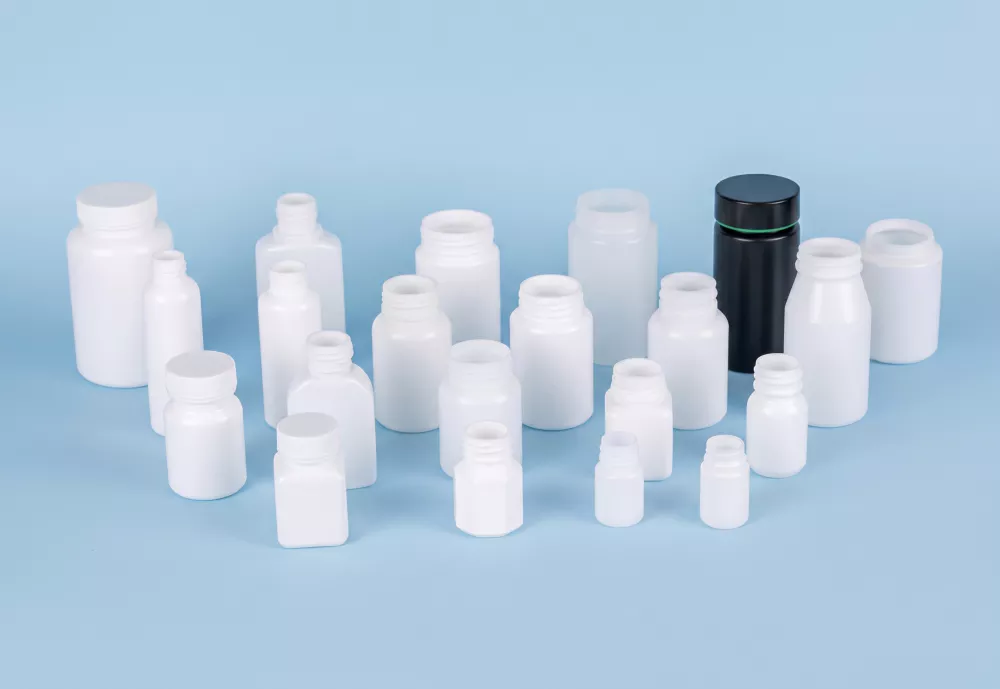
Fig 3 — Pharmaceutical bottles requiring tight neck tolerances are ideal IBM applications
8. Cost and Investment Comparison
Machine and tooling costs vary significantly across the three technologies. The table below provides indicative ranges for mid-size production machines (note: actual costs depend on cavity count, market, and specification):
| Cost Item | IBM | ISBM | EBM |
|---|---|---|---|
| Machine (USD, mid-range) | $40,000–$120,000 | $60,000–$200,000 | $25,000–$100,000 |
| Mold set (4-cavity) | $15,000–$40,000 | $20,000–$60,000 | $8,000–$25,000 |
| Scrap rate | <1% | <1% | 5–15% (flash trim) |
| Energy (kWh / 1,000 bottles) | 8–18 kWh | 10–22 kWh | 12–30 kWh |
9. Which Technology Should You Choose? Decision Guide
Use the following decision logic as a starting point:
- Choose IBM if you need: precise neck finishes, small bottles (under 500 ml), PP or PE materials, pharmaceutical/cosmetic packaging, zero scrap/flash.
- Choose ISBM if you need: PET or high-clarity bottles, biaxially oriented strength (CSD, water), one-step compactness with a need to switch between sizes.
- Choose EBM if you need: handles, large containers over 2 L, HDPE dominance, complex asymmetric shapes, or the lowest possible mold investment.
Not sure which is right for you? Contact our technical team — we can evaluate your bottle drawing, material spec, and volume target to recommend the optimal technology.
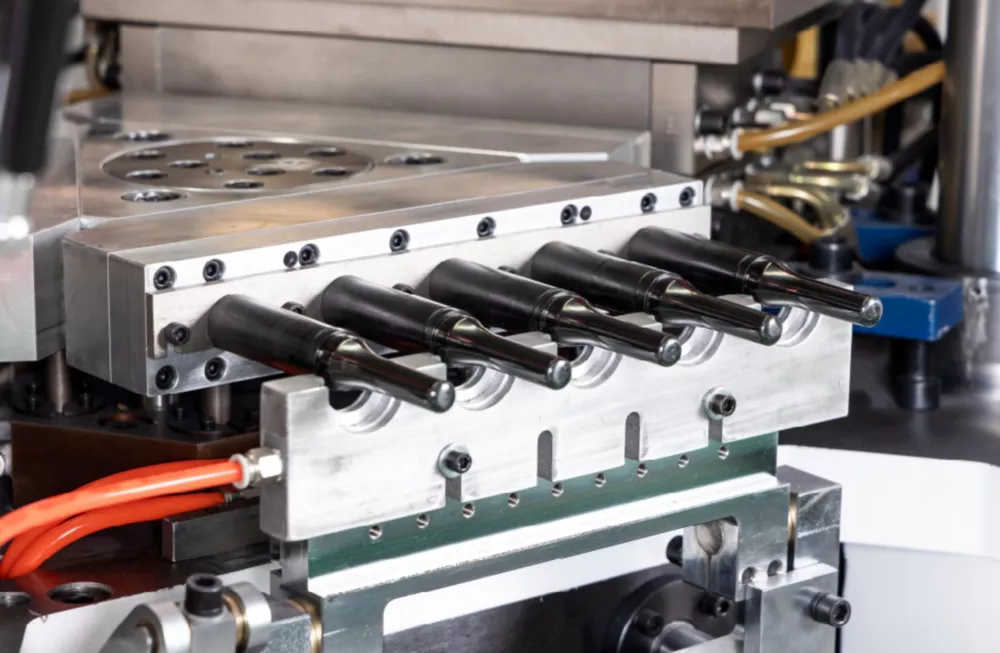
Fig 4 — IBM machine: the right choice for precision small-bottle pharmaceutical and cosmetic production
10. Frequently Asked Questions
Which blow molding process is best for PET bottles?
ISBM is the dominant choice for PET bottles, particularly beverage containers, because biaxial orientation significantly improves tensile strength, clarity, and CO2 barrier properties.
Can IBM machines process PET?
Yes, but IBM with PET is limited to small, thick-walled containers such as wide-mouth jars where biaxial orientation is not required.
What is the main advantage of EBM over IBM?
EBM can produce handles, multi-layer structures, and complex asymmetric shapes that IBM and ISBM cannot. It also handles HDPE very efficiently.
Which process produces the most accurate neck finish?
IBM produces the most dimensionally accurate neck finish because the thread is formed under injection pressure in a precision mold cavity, without post-mold trimming.
Is ISBM the same as one-step blow molding?
One-step ISBM performs injection, conditioning, stretching, and blowing in one machine without intermediate preform storage — that is what our machines do. Two-step ISBM separates preform injection from the stretch-blow stage.
Which technology has the lowest tooling cost?
EBM generally has the lowest tooling cost because extrusion dies and blow molds are simpler than injection molds.
11. Conclusion
IBM, ISBM, and EBM each occupy a distinct niche in the plastic container market. IBM delivers precision, zero waste, and tight neck tolerances for small pharmaceutical and cosmetic bottles. ISBM delivers strength and clarity for PET bottles at scale. EBM delivers geometric freedom and low tooling cost for large HDPE containers.
Browse our IBM machine product page for detailed specifications or reach the team via our contact page to discuss your project requirements.