Шырын мен шайды қаптауға қойылатын оттегі тосқауылына қойылатын талаптар
Шырын және ішуге дайын (RTD) шай сусындарының санаттары әлемдік алкогольсіз сусындар нарығындағы ең жылдам дамып келе жатқан сегменттердің қатарына жатады. Дегенмен, бұл өнімдер сусындар өнеркәсібінде техникалық тұрғыдан ең күрделі қаптамалық қиындықтарды да тудырады. Жеміс шырындары, көкөніс шырындары, суық сығымдалған қоспалар және RTD шай сусындары тотығуға өте сезімтал — оттегінің әсерінен қоректік заттардың ыдырауы, түсінің өзгеруі, дәмнің бұзылуы және микробтардың көбеюі байқалады, бұл сақтау мерзімін айтарлықтай қысқартып, өнім қауіпсіздігіне қауіп төндіруі мүмкін. ISBM машинасы — бір сатылы инъекциялық созылу үрлеу қалыптау машинасы — жоғары оттегі тосқауыл қасиеттері, көп қабатты бірлесіп инъекциялау мүмкіндігі және ыстық және суық толтыру өңдеу үшін қажетті құрылымдық дәлдікке ие жоғары тосқауылға ие ПЭТ бөтелкелерін шығару мүмкіндігі арқылы осы қиындықтарды шешеді.
Шырын мен шай өнімдеріндегі тотығу ыдырауының негізгі қозғаушы күші оттегі болып табылады, ол тотығу механизмдерінің каскадын іске қосады:
- С витаминінің ыдырауы: Аскорбин қышқылы тотығуға өте сезімтал. С дәрумені көп мөлшерде болатын шырын өнімдері қаптамасында оттегі тосқауылы жеткіліксіз болған кезде қоректік заттардың тез жоғалуына ұшырайды, бұл сатып алу туралы шешімдерге әсер ететін денсаулыққа қатысты мәлімдемелерді жоққа шығарады.
- Түс өзгерістері: Тотығу шай сусындарындағы жеміс шырындарының қоңырлануына (Майлард реакциясы) және түсінің жоғалуына (полифенолдардың тотығуы) әкеледі, бұл сату орнында көрнекі тартымдылық пен қабылданатын сапаға тікелей әсер етеді.
- Дәмсіз иістердің дамуы: Тотыққан липидтер мен полифенолдар тұтынушылар оңай байқайтын және өнімнің сапасының нашарлығымен байланыстыратын тән «картон» немесе «ескірген» жағымсыз дәмдерді шығарады.
- Микробтардың өсуін жеңілдету: Бас кеңістігінде оттегінің болуы пастерлеу толық емес өнімдерде аэробты бұзылу микроорганизмдерінің өсуіне ықпал етуі мүмкін.
Шырын мен шай қаптамасындағы оттегінің берілу жылдамдығының (OTR) салалық стандарттары әдетте 12-18 айлық сақтау мерзімі бар премиум қолдану үшін 0,01–0,05 cc/(қаптама күніне) төмен мәндерді талап етеді. Стандартты ПЭТ өзі 500 мл бөтелкелер үшін 0,05–0,10 cc/(қаптама күніне) OTR мәндеріне жетеді — кейбір қолдану үшін жеткілікті, бірақ сақтау мерзімі ұзартылған премиум өнімдер үшін жеткіліксіз. ISBM технологиясы мұны бір сатылы өндіріс процесіне біріктіруге болатын бірнеше кедергілерді жақсарту стратегиялары арқылы шешеді.
ISBM тотығу және сақтау мерзімі мәселелерін қалай шешеді
Биаксиалды бағдарлау — ішкі кедергілерді күшейту
ISBM өңдеуінде қол жеткізілген биаксиалды молекулалық бағдар бағдарланбаған ПЭТ-пен салыстырғанда оттегі тосқауылының қасиеттерін жақсартады. Биаксиалды созылу арқылы жасалған реттелген, тығыз тізбекті құрылым бөтелке қабырғасы арқылы оттегі молекуласының диффузиясына қолжетімді бос көлемді азайтады, бұл балама қалыңдықтағы бағдарланбаған ПЭТ-пен салыстырғанда оттегі өткізгіштігін 20–40%-ге төмендетеді. Бұл ішкі тосқауылдың жақсаруына қосымша материалдардың құны немесе өңдеудің күрделілігісіз қол жеткізіледі — бұл ISBM созылу-үрлеу процесінің тікелей артықшылығы.
Пассивті тосқауыл қоспалары
ISBM машиналары негізгі ПЭТ материалына араластырылған пассивті тосқауыл қоспаларын қамтитын ПЭТ шайырын өңдейді. Ең көп таралған пассивті тосқауыл тәсілі салмағы бойынша 2–5% PET-пен араласқан нейлон MXD6-ны пайдаланады. MXD6 хош иісті құрылымы оттегі молекулаларын бөтелке қабырғасы арқылы күрделірек жолмен жүруге мәжбүрлейтін бұрмаланған жол әсерін жасайды. ISBM машиналарында өңделген PET-MXD6 қоспалары әдетте стандартты ПЭТ-ке қарағанда 50–70% төмен OTR мәндеріне жетеді, бұл шырын мен шайдың сақтау мерзімін белсенді оттегін жинаусыз стандартты 3–6 айдан 9–12 айға дейін ұзартады.
EVOH тосқауылымен көп қабатты бірлескен инъекция
Оттегі тосқауылының ең жоғары деңгейін және сақтау мерзімін 12-18 айға дейін ұзартуды қажет ететін шырын және шай өнімдері үшін ISBM машиналары преформа қабырғасының құрылымына EVOH (этилен винил спиртінің сополимері) тосқауыл қабатын қосу үшін көп қабатты бірлесіп енгізу мүмкіндігімен конфигурациялануы мүмкін. EVOH - оттегі өткізгіштігі стандартты ПЭТ-тен 1000-10 000 есе төмен ең тиімді коммерциялық оттегі тосқауыл материалдарының бірі. Көп қабатты ISBM преформасында EVOH ішкі және сыртқы ПЭТ қабаттарының арасына орналастырылған жұқа өзек қабаты (әдетте жалпы қабырға қалыңдығы 5-15%) ретінде бірлесіп енгізіледі. Нәтижесінде пайда болған көп қабатты бөтелке 0,005 cc/(қаптама күніне) төмен OTR мәндеріне жетеді - бұл ең қатаң премиум шырын және шай қаптамасының талаптарына сәйкес келеді.
Белсенді оттегін жинаушы материалдар
Премиум шырын қаптамасына арналған озық ISBM қолданбалары бөтелке қабырғасына белсенді оттегін жинаушы материалдарды енгізеді. Бұл материалдар - әдетте темір негізіндегі, органикалық тотықтырылатын қосылыстар немесе меншікті полимер қоспалары - бөтелке қабырғасына немесе бас кеңістігіне енетін оттегін белсенді түрде тұтынады, бұл оның өнімге жетуіне жол бермейді. Белсенді жинаушы материалдарды негізгі ПЭТ материалында қоспа компоненті ретінде немесе көп қабатты преформа құрылымдарында арнайы қабат ретінде енгізуге болады.
Ыстық толтыру және суық толтыру қолданулары
Суық толтыру (асептикалық) өңдеу
Асептикалық суық толтыру өңдеуі – өнім бөтелкеден бөлек зарарсыздандырылады және екеуі де стерильді толтыру ортасында біріктіріледі – бөтелкеге аз термиялық стресс түсіреді, бірақ ерекше таза бөтелке өндірісін қажет етеді. ISBM жабық өндірістік ортасы, бөтелкелер адамның минималды жұмысымен тығыздалған шикізат кірістерінен өндіріледі, бұл асептикалық суық толтыру операциялары үшін қажетті гигиеналық өндіріс стандарттарын табиғи түрде қолдайды. ISBM шығаратын стандартты ПЭТ бөтелкелері 50°C төмен температурада асептикалық суық толтырумен толық үйлесімді.
Ыстық толтырумен өңдеу
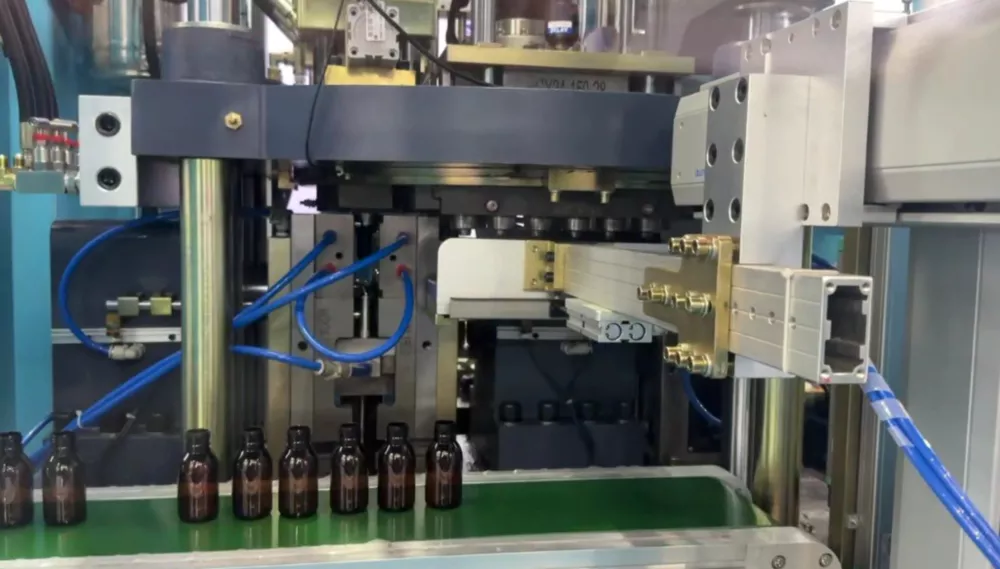
Пастерленген өнім 85-95°C температурада бөтелкелерге құйылатын ыстық толтыру өңдеуі шырын және RTD шай өнімдері үшін кеңінен қолданылады, себебі бұл стерильді толтыру ортасының қажеттілігін жояды. ISBM машиналары ыстық толтырумен үйлесімді бөтелкелерді қыздыру арқылы шығарады - бұл үрлеу қалыпының температурасы 120-160°C дейін көтерілетін процесс, бұл тиімді қызмет көрсету температурасын 85-95°C дейін көтеретін екі осьті бағытталған ПЭТ құрылымының ішінара кристалдануына мүмкіндік береді. Қыздырумен орнатылған ПЭТ бөтелкелері өлшемді бұрмалаусыз ыстық толтыру температурасына төтеп бере алады, бұл ISBM-ге термиялық пастерлеу толтыру процестерін қолдана отырып, шырын және шай өндірушілеріне қызмет көрсетуге мүмкіндік береді.
Шырын мен шайға арналған бөтелке сипаттамалары
| Параметр | Суық толтыру (асептикалық) | Ыстық толтыру |
|---|---|---|
| Толтыру температурасы | <50°C | 85–95°C |
| Қалып температурасын үрлеу | 10–15°C | 120–160°C (қыздыру режимінде) |
| ПЭТ кристалдылығы | 25–30% | 35–45% |
| OTR нысанасы | 0,005–0,05 cc/(қаптама·тәулігіне) | 0,01–0,05 cc/(қаптама·тәулігіне) |
| Жарамдылық мерзімінің мақсаты | 6–18 ай | 9–18 ай |
| Жалпы көлемдер | 250 мл, 330 мл, 500 мл, 1 л | 250 мл, 350 мл, 500 мл, 750 мл |
Ашықтық және көрнекі тартымдылық — нарықты ерекшелендіретін фактор
Шырын және RTD шай санатында сыртқы келбет сатып алудың маңызды факторы болып табылады. Тұтынушылар өнімнің мөлдір, жарқын түсін балғындықпен, сапамен және табиғи шығу тегімен байланыстырады. ISBM шығарған ПЭТ бөтелкелері 2%-ден төмен тұман мәндерін береді, бұл шырын мен шай түстерінің бөтелке қабырғасы арқылы айқын және тартымды көрінуіне мүмкіндік беретін шыны тәрізді мөлдірлікті қамтамасыз етеді.
Бұл көрнекі айқындық артықшылығы, әсіресе, жасыл көкөніс шырындарының, қызыл жидек қоспаларының және алтын цитрус шырындарының қанық түстері өнім сапасы мен балғындығының негізгі көрнекі белгілері болып табылатын жоғары сапалы суық сығымдалған шырын өнімдері үшін маңызды. ISBM-нің жоғары оптикалық өнімділігі – цилиндрлік емес, мүсінделген бөтелке пішіндерін жасау үшін дизайн икемділігімен үйлесімде – шырын мен шай брендтеріне тығыз сауда сөрелерінде ерекшеленетін ерекше қаптама презентацияларын жасауға мүмкіндік береді.
Азық-түлік қауіпсіздігі мен сапа стандарттарына сәйкестік
Шырын және шай өнімдері әрбір нарықта кешенді тамақ қауіпсіздігі туралы заңнамаға бағынатын реттелетін тамақ және сусын өнімдері болып табылады. ISBM машиналары және олар өңдейтін ПЭТ материалдары тамақ өнімдерімен жанасатын материалдар мен тамақ қауіпсіздігінің негізгі ережелеріне сәйкес келеді, соның ішінде:
- FDA 21 CFR 177.1630 — ПЭТ-ті тамақ өнімдерімен жанасатын материал ретінде пайдалануға арналған АҚШ ережелері
- ЕО 10/2011 ережесі — тамақ өнімдерімен жанасатын еуропалық пластикалық материалдар мен бұйымдар
- GB 9685 / GB 4806.6 — Қытайдың ұлттық азық-түлікпен жанасатын материалдар стандарттары
- Кодекс Алиментариус — Шырындарды өңдеу және қаптауға арналған халықаралық азық-түлік стандарттары
- FSSC 22000 / BRC азық-түлік — Шырын және шай өндірушілеріне арналған салалық азық-түлік қауіпсіздігін сертификаттау стандарттары
Өндіріс тиімділігі және шығындар экономикасы
Шырын және шай сусындарын өндірушілер үшін, өз өндірісінде бөтелке өндірісін сатып алынған бөтелкелермен салыстырғанда бағалайды, бұл жылына шамамен 5-10 миллион бөтелкеден асатын өндіріс көлемінде тиімді үнемділік ұсынады. Негізгі шығындар артықшылықтарына мыналар жатады:
Алдын ала дайындалған жүк тасымалы алынып тасталды
Бөтелкелерді жергілікті жерде өндіру алдын ала дайындалған немесе дайын бөтелкелерді тасымалдау шығындарын жояды, бұл шалғайдағы өндіріс орындары үшін сатып алынған бөтелке құнының 15–30% құрауы мүмкін.
40% энергия үнемдеу
ISBM бір реттік қыздыру процесі екі сатылы SBM-мен салыстырғанда бөтелкедегі энергия шығынын шамамен 40%-ге азайтады, бұл көп көлемді шырын бөтелкелерін өндіруде айтарлықтай үнемдеуге мүмкіндік береді.
Тауар қорының азаюы
Сұраныс бойынша бөтелке өндірісі үлкен дайын бөтелке қорындағы буферлерді жояды, айналым капиталы мен қойма кеңістігін босатады.
Жеткізу тізбегін басқару
ISBM өндірісі сыртқы бөтелке жеткізушілеріне тәуелділікті жояды, жеткізілім қауіпсіздігін қамтамасыз етеді және сұраныстың күрт өсуіне немесе жаңа өнімдердің шығарылуына жедел жауап беруге мүмкіндік береді.
Ұқсас мазмұнды зерттеу
- Біздің толық ассортиментімізді қарап шығыңыз ISBM машиналары шырын және шай бөтелкелерін өндіру желілеріне жарамды.
- Біздің салалық шешімдер сусындар, тамақ өнімдерін қаптау, фармацевтикалық және жеке күтім қолданбалары үшін.
- Көбірек білу Ever Power HG компаниясының 20+ жылдық тәжірибесі бар ISBM машинасын өндіру бойынша сараптама.
ISBM технологиясымен шырын мен шай бөтелкесінің өндірісін оңтайландырыңыз
Ever Power HG компаниясының ISBM машиналары шырын мен RTD шай бөтелкелерін өндірудің кедергі, мөлдірлік және тиімділік талаптарына сай келетіндей етіп жасалған. Сізге стандартты ПЭТ, жоғары кедергілі көп қабатты немесе қыздыру арқылы ыстық толтыру мүмкіндігі қажет болса да, біздің инженерлік командамыз сіздің өніміңізге, өндіріс көлеміне және бюджетіңізге сәйкес келетін дұрыс шешімді ұсынады.