
中国ISBM导弹与欧洲ISBM导弹:质量和价格比较
When sourcing an injection stretch blow molding machine internationally, buyers invariably encounter a significant price difference between Chinese-manufactured machines and their European counterparts. This price gap — typically 40–70% lower for Chinese equipment — raises legitimate questions: What explains the difference? Is the Chinese machine technically equivalent? Where might performance gaps exist, and are they material to my application? And critically, when does the premium for a European machine justify the additional capital expenditure?
This guide provides an honest, technical assessment of the current state of both market segments, written without advocacy for either origin. The goal is to give packaging engineers and procurement managers the analytical framework to make a well-informed purchasing decision based on their specific application, quality requirements, budget, and after-sales support needs.
The Market Landscape in 2025–2026
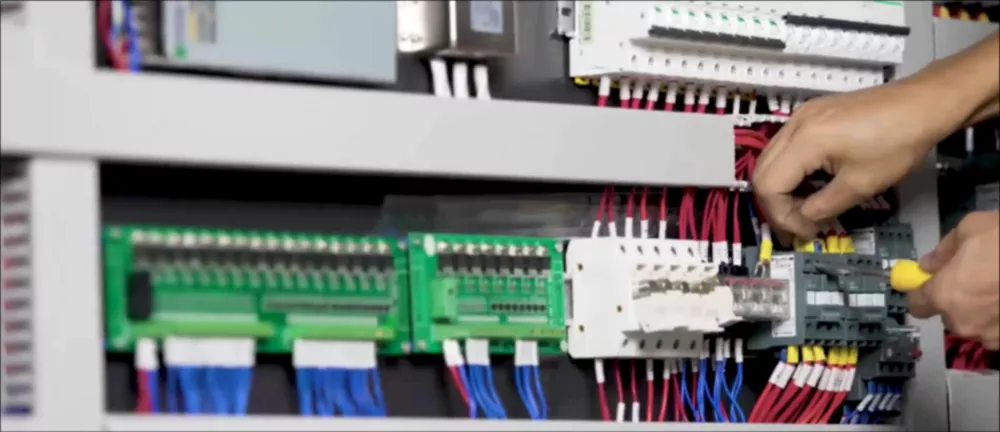
The global ISBM machine market has undergone a significant structural shift over the past fifteen years. Chinese manufacturers — who in the early 2010s were primarily producing entry-level machines for the domestic market — have progressively moved upmarket, investing in proprietary hot runner technology, servo-driven systems, and precision mechanical engineering. The gap between the best Chinese machines and European incumbents has narrowed substantially in this period.
Today, the market can be characterised as follows:
Dominated by long-established European manufacturers with decades of ISBM-specific engineering heritage. Best-in-class precision, process stability, software sophistication, and global service infrastructure. Premium pricing reflects engineering investment and brand positioning.
A small number of Chinese manufacturers have achieved close to European performance levels for standard PET and PP applications. These machines offer very competitive specifications, servo drives, and documented process performance at 40–60% below European pricing.
Lower-specification Chinese machines targeting price-sensitive markets. Hydraulic rather than servo actuation; less sophisticated control systems; wider component tolerances. Suitable for non-critical applications with lower precision requirements.
Detailed Technical Comparison
| Technical Aspect | European Premium | Chinese Advanced Mid-Tier | Chinese Entry Level |
|---|---|---|---|
| Hot runner system | Proprietary; ±1°C zone control; low drool design | Proprietary or licensed; ±2–3°C control; competitive | Third-party sourced; ±3–5°C control; higher drool risk |
| Drive technology | Full servo across all axes; energy recovery | Servo on key axes (injection, stretch rod); hydraulic on others | Primarily hydraulic; energy consumption higher |
| Cycle time stability | Excellent; ±0.05s cycle-to-cycle | Good; ±0.1–0.2s variation | Moderate; greater variation under thermal load |
| HMI / control system | Proprietary with full recipe management; 21 CFR Part 11 option | Commercial PLC (Siemens/Mitsubishi) with custom HMI; improving | Basic PLC; limited parameter logging |
| Conditioning station temperature uniformity | Very high; multi-zone independent IR or contact heating | Good; IR zone heating with PID control | Basic; fewer independent zones |
| Stretch rod precision | Servo-controlled; position feedback; programmable profile | Servo or high-quality pneumatic with adjustment | Pneumatic; less precise speed control |
| Material quality (castings, guides, bearings) | Premium European or Japanese components specified; high durability | Mix of domestic and imported; improving quality | Primarily domestic components; earlier wear on wear parts |
| Documentation (IQ/OQ support) | Comprehensive; pharma-validation ready | Improving; leading manufacturers now provide IQ/OQ packages | Basic; may require buyer investment to develop documentation |
Price Comparison
The price differential between Chinese and European ISBM machines is real and substantial. The following indicative ranges reflect market prices in 2025–2026 for complete machines including standard tooling. Exact prices depend on cavitation, application, and commercial terms:
| Machine Category | European Price Range | Chinese Price Range | Savings Potential |
|---|---|---|---|
| Entry-level 1-cavity (small-volume cosmetic/pharma) | $120,000–$180,000 | $40,000–$80,000 | 50–70% |
| Mid-range 2-cavity (cosmetic/pharma mainstream) | $200,000–$350,000 | $80,000–$160,000 | 45–60% |
| High-output 4-cavity (food/beverage mid-volume) | $400,000–$700,000 | $180,000–$300,000 | 40–55% |
When the Chinese Machine is the Right Choice
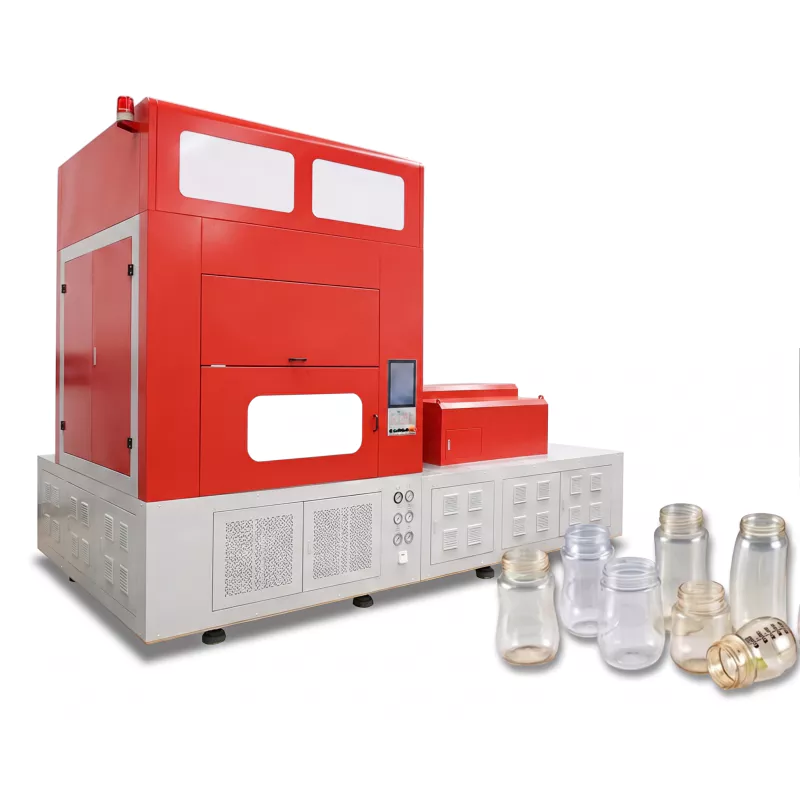
- The application is standard PET or PP food, beverage, or daily chemical packaging without demanding pharmaceutical GMP requirements
- Capital budget is the primary constraint and the cost savings enable market entry that would otherwise not be possible
- The buyer has internal technical capability to support the machine and is not reliant on rapid OEM service response
- The application does not require the highest-precision pharmaceutical-grade documentation and qualification
- The supplier is a verified top-tier Chinese manufacturer with reference customers in comparable applications — not a low-cost commodity supplier
- After-sales support is available in the target country (local service agent or regional service centre)
When the European Machine Justifies Its Premium
- The application is licensed pharmaceutical or medical device packaging requiring IQ/OQ/PQ documentation and 21 CFR Part 11 audit trail
- Uptime is critical and the cost of downtime (lost production, product rejection, regulatory non-compliance) exceeds the CAPEX premium over the machine life
- The process requires the highest-precision hot runner temperature control for demanding applications (e.g. PETG fragrance with very tight conditioning window)
- The buyer’s team has limited ISBM technical expertise and requires comprehensive OEM process support, training, and remote diagnostics
- The machine will be operating in a regulated GMP environment where equipment qualification documentation must meet the highest standards
- Long-term after-sales spare parts availability is a strategic risk factor (European OEMs typically guarantee spare parts supply for 15–20 years)
Due Diligence Checklist for Chinese Machine Evaluation
If evaluating a Chinese ISBM machine, the following checklist protects against common purchasing errors:
| Due Diligence Item | What to Ask / Verify |
|---|---|
| Reference customers | Request contact details for 3+ installed machines running the same application (not generic references) |
| Factory audit | Visit the manufacturing facility; inspect assembly quality; evaluate test cell capabilities |
| Machine trial run | Request a live trial run on your specific bottle design or closest equivalent; collect samples for testing |
| Spare parts commitment | Get written commitment on spare parts availability and supply lead times for minimum 10 years |
| Local service coverage | Confirm whether the supplier has a local service engineer or distributor in your country |
| Component origin | Request a bill of materials for key components (HMI, drives, hot runner, bearings) — confirm brands |
| Warranty terms | Minimum 12 months parts and labour; confirm process for warranty claims from your country |
To request our machine specifications, reference customer contacts, and arrange a factory visit or machine demonstration, 联系我们的销售团队. We can also provide a technical comparison document against specific European competitors on request. Browse our ISBM machine range to understand our product configurations and output specifications.
常见问题解答
Can a Chinese ISBM machine be qualified for GMP pharmaceutical use?
How does service and support compare in practice between Chinese and European ISBM machine suppliers?
Will a Chinese ISBM machine produce the same bottle quality as a European machine?
Request a Specification Comparison and Factory Audit Invitation
Send us your technical requirements and we will provide a full specification sheet, reference customer list, and arrange a factory visit or machine trial for your target bottle application.