
قالبگیری بادی تزریقی Machines
Zero-flash, zero-waste bottle production in HDPE, PP, PS, PCTG and EVA — from pharmaceutical vials to daily-chemical containers. Clamping force 20–30% above market average. Five models from 400 KN to 1,350 KN.
Injection Blow Molding Machines by Clamping Force — From Small-Volume to Maximum Output
Select by your target bottle volume, required cavity count and monthly production volume. All models run HDPE, LDPE, PP, PS, PCTG and EVA and carry CE certification. Not sure which tier fits your application? Contact our engineering team with your bottle drawing and output target.
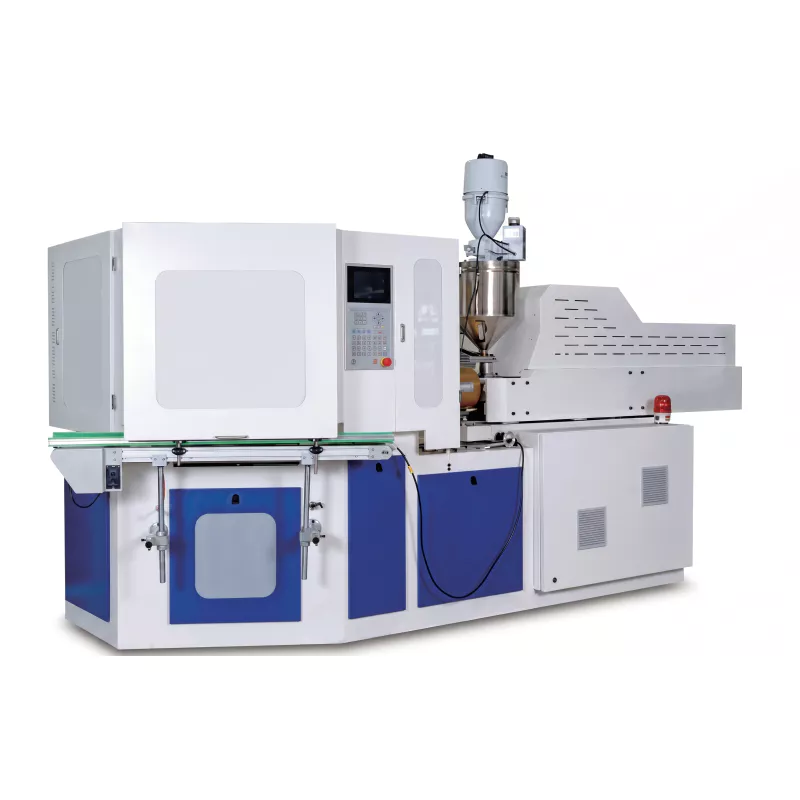
Entry-Level Injection Blow Molding Machine
Compact European 3-station IBM for pharmaceutical vials, cosmetic flacons, health-supplement capsule bottles and laboratory containers. Ideal for initial production lines, contract packers managing multiple small-volume SKUs, and R&D validation runs.
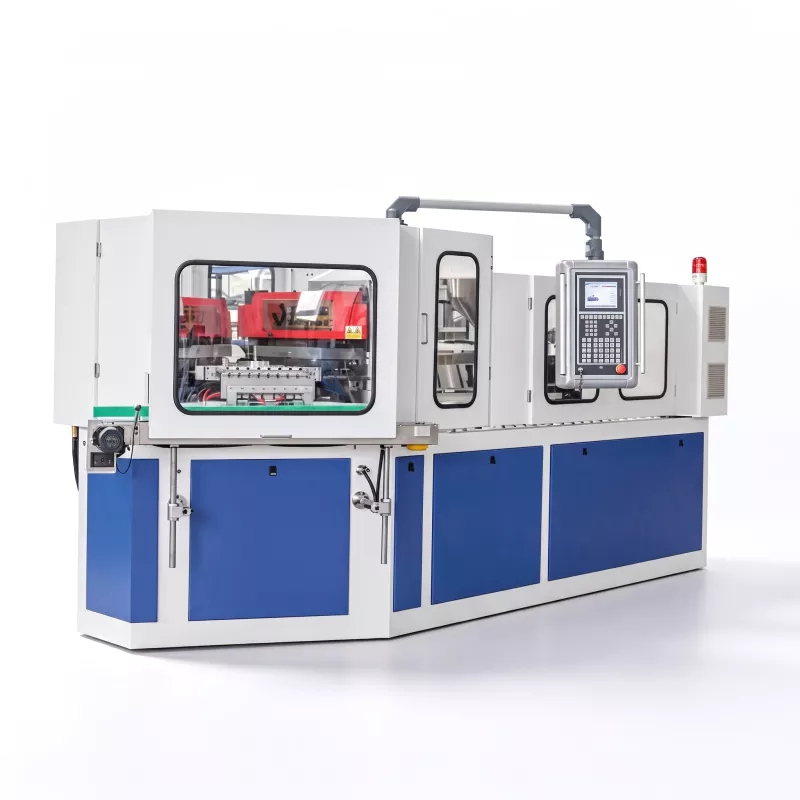
Mid-Range Injection Blow Molding Machine
Balanced platform for pharmaceutical secondary packaging, premium cosmetic bottles and daily-chemical container lines. Higher cavity count and larger platen than the entry tier, with the same zero-flash output quality — suited to contract packers handling multiple product families from a single machine.
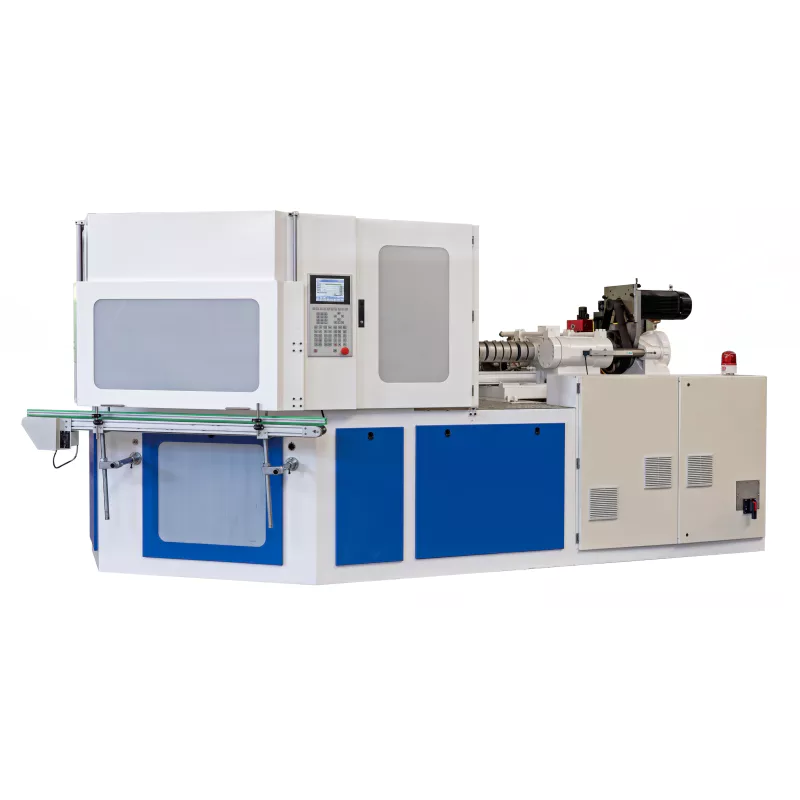
Standard High-Output Injection Blow Molding Machine
The workhorse platform for daily-chemical mass production, pharmaceutical batch facilities and food-packaging operations. Dual 18.5+18.5 KW motors distribute loads across independent circuits for sustained 3-shift output. High-precision angle divider and hydraulic double system are both standard.
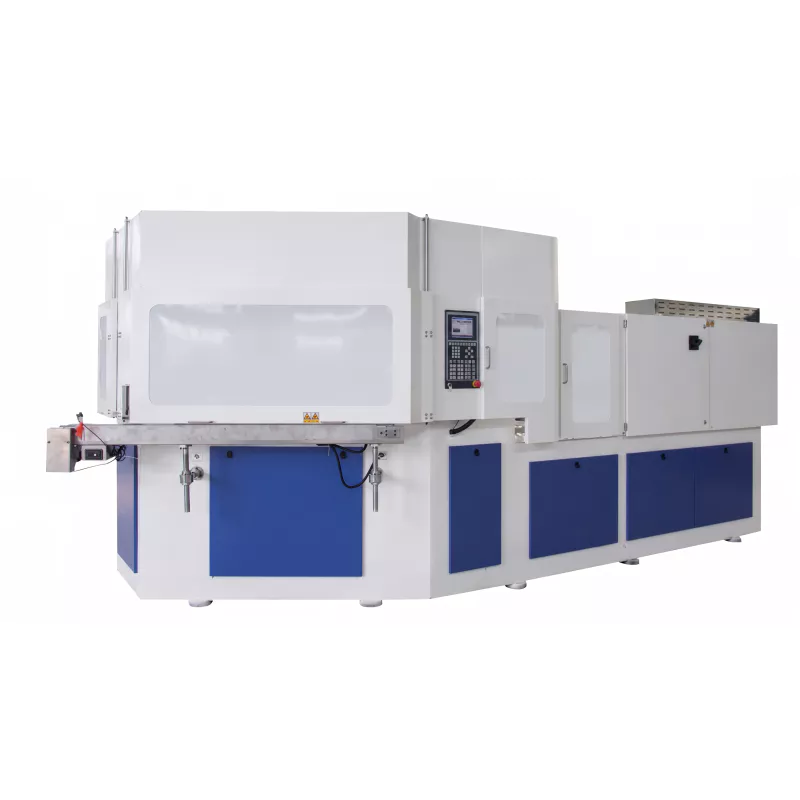
High-Capacity Injection Blow Molding Machine
Purpose-built for operations where the 800 KN tier's 12-cavity ceiling is insufficient. Dual 22+22 KW motors, 1,100 KN injection clamping and a 1,100x460 mm platen support up to 14 cavities at 100 ml and 24 cavities at 10 ml. Suited for FMCG daily-chemical producers targeting 3–5 million units per month and pharmaceutical multi-format contract lines.
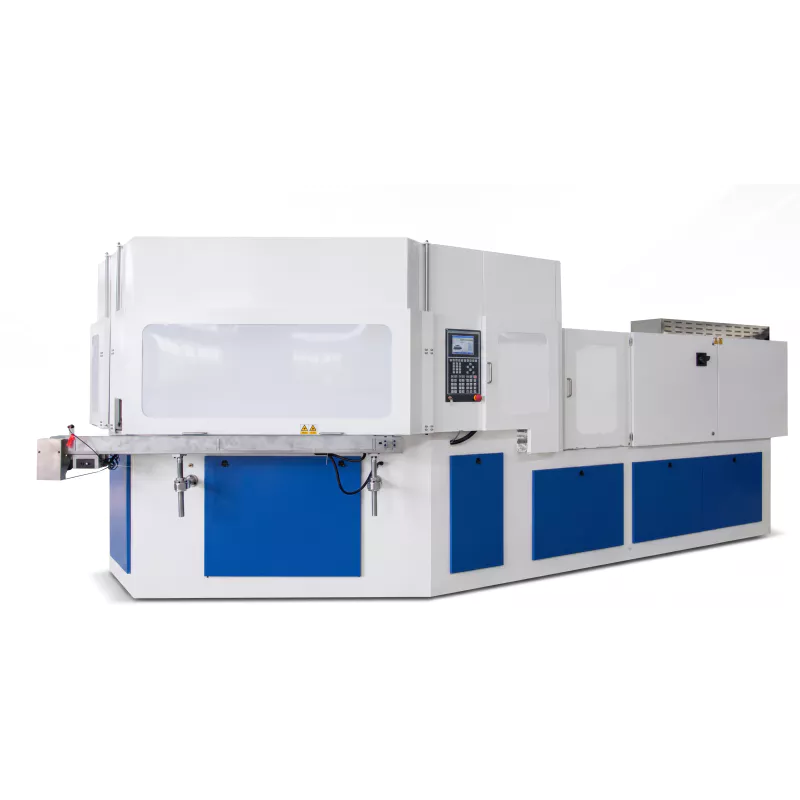
Flagship Injection Blow Molding Machine — Maximum Output
Dual 37+37 KW motors, 1,350 KN injection clamping, 70 mm screw with 650 g shot weight, and a 1,300x500 mm platen — the widest in the range — deliver up to 30 cavities at 10 ml and 18 cavities at 100 ml. Each motor operates at approximately 60–70% of its thermal ceiling at rated output, providing the headroom needed for 24-hour, 7-day continuous production without derating. The machine for operations where per-bottle cost and single-line output are both non-negotiable.
Full Range Comparison — EP-ZQ Series
All models share the same 3-station rotary IBM process and CE certification. The differentiators are clamping force, platen size, cavity count, motor configuration and hydraulic system. Not sure which fits your application? Contact our engineering team with your bottle drawing and output target.
| Specification | EP-ZQ40 | EP-ZQ60 | EP-ZQ80 | EP-ZQ110 | EP-ZQ135 |
|---|---|---|---|---|---|
| Screw Diameter | 40/45 mm | 45/50 mm | 55 mm | 65 mm | 70 mm |
| Injection Weight | 190–260 g | 260–383 g | 466 g | 540 g | 650 g |
| Inj. Clamping Force | ۴۰۰ کیلونیوتن | 600 KN | ۸۰۰ کیلونیوتن | 1,100 KN | ۱۳۵۰ کیلونیوتن |
| Blow Clamping Force | 60 KN | 100 KN | 120 KN | 150 KN | 200 KN |
| Max. Platen Size | 480x340 mm | 600x390 mm | 800x400 mm | 1,100x460 mm | 1,300x500 mm |
| Cavities @ 10 ml | 9 | 14 | 20 | 24 | 30 |
| Cavities @ 100 ml | 4 | 8 | 12 | 14 | 18 |
| Cavities @ 1,000 ml | 1 | 2 | 3–4 | 6 | 8 |
| Motor Configuration | 11 KW | 18.5/22 KW | 18.5+18.5 KW | 22+22 KW | 37+37 KW |
| Total Power | 20 KW | 37 KW | 55 KW | 80 KW | 95 KW |
| Hydraulic Double System | — | — | Standard | Standard | Standard |
| Dry Cycle Time | 3.5 s | 4 s | 4 s | 4 s | 4 s |
| وزن دستگاه | 3.8 T | 5 T | 10 T | 15 T | 18 T |
| Bottle Volume Range | ۱–۱۵۰۰ میلیلیتر | 1–2,000 ml | 1–2,000 ml | 1–2,000 ml | 1–2,000 ml |
Cavity counts are reference values. Actual figures depend on bottle geometry, neck finish and mould design.
Replace Your Existing IBM Machine — Direct Model Equivalents
Every EP-ZQ model is a direct replacement for the equivalent Jomar, SUMA, Uniloy and BLOMA machine at the same clamping-force tier. Buyers can transition to the EP-ZQ platform and continue running their existing moulds with no re-tooling cost. Contact our engineering team to verify mould compatibility before ordering.
| EP-ZQ (Ever Power) |
Clamping Force |
Jomar | SUMA | Uniloy | BLOMA |
|---|---|---|---|---|---|
| EP-ZQ40 | ۴۰۰ کیلونیوتن | IBM40 | 40iB | UIB70 | IBM45 |
| EP-ZQ60 | 600 KN | IBM65 | 65iB | UIB90 | IBM50 |
| EP-ZQ80 | ۸۰۰ کیلونیوتن | IBM85S | 85iB | UIB120 | IBM85 |
| EP-ZQ110 | 1,100 KN | IBM135 | 135iB | UIB150 | IBM135 |
| EP-ZQ135 | ۱۳۵۰ کیلونیوتن | IBM175 | 175iB | UIB180 | — |
Use Your Existing Moulds
Buyers upgrading from Jomar, SUMA, Uniloy or BLOMA can continue running existing injection and blow moulds on the EP-ZQ platform — no re-tooling, no mould modification cost.
Lower Acquisition Cost
EP-ZQ machines are sold factory direct with no distributor margin. Equivalent or superior specifications at every clamping-force tier — at substantially lower total acquisition cost.
The Injection Blow Molding Process — Three Stations, One Continuous Cycle
Injection blow molding is a closed-loop 3-station rotary process. Unlike extrusion blow molding — which generates 20–40% edge scrap and requires gate trimming — IBM produces no flash and no waste. The bottle neck is formed at the injection station to final tolerance and never touched again, making it the preferred process for pharmaceutical, cosmetic and precision packaging applications.
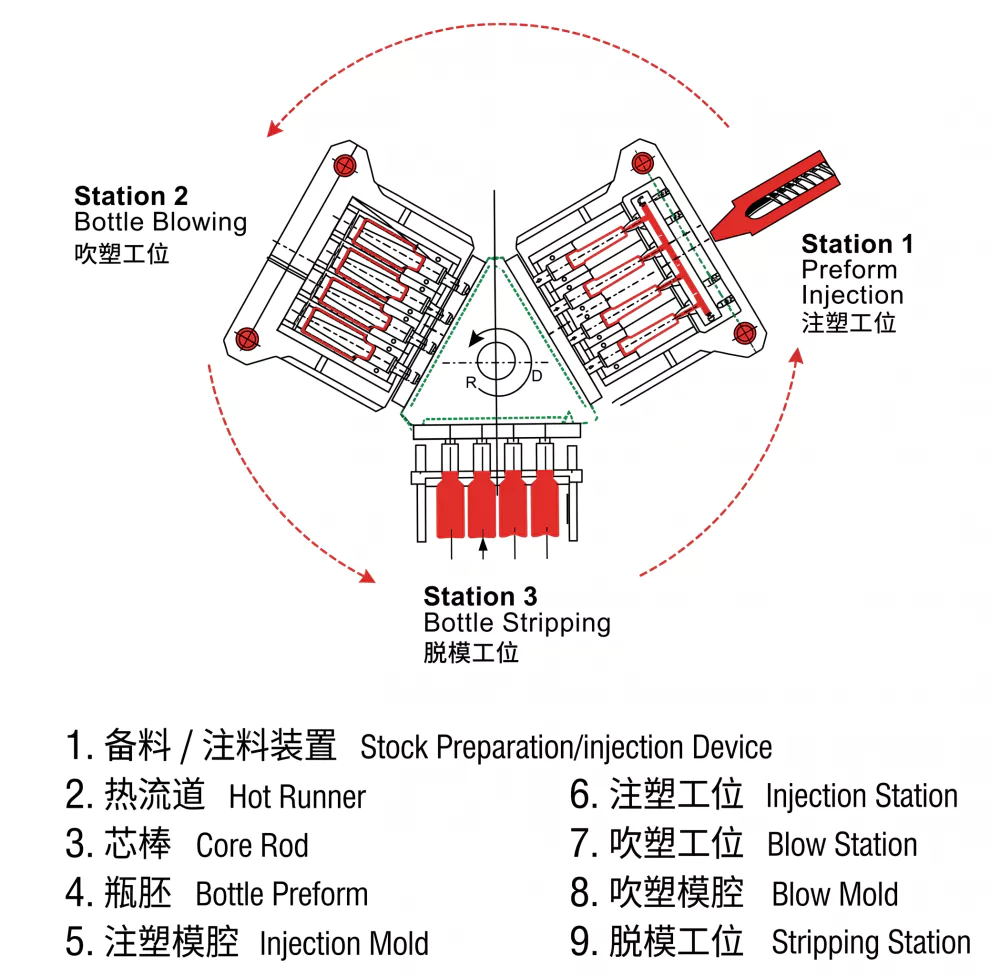
Preform Injection
Plastic melt is injected under controlled pressure into the cavity around the core pin. The bottle neck — including thread form, finish height and bore diameter — is dimensioned to final closure-compatibility tolerance at this station. No secondary machining or trimming is ever required. After the mould opens, the core pin indexes 120 degrees to Station 2.
Bottle Expansion
The blow mould closes around the warm preform. Compressed air at 0.7–1.2 MPa expands the preform outward against the precision-machined cavity wall. The blow clamping force holds the mould sealed throughout expansion and cooling. Every bottle across every cavity contacts exactly the same steel surface — wall-thickness variation is typically held below 10%.
Bottle Ejection
Finished, fully-cooled bottles are automatically stripped from the cold rods and conveyed onto the discharge belt or directly into a downstream filling line. All three stations operate simultaneously — inject, blow and strip happen in parallel every cycle — so the machine produces its full cavity output continuously without dead time between completions.
Structural Advantages That Differentiate Our Machines
Every machine in the injection blow molding range shares four architectural features that deliver measurably better output consistency and lower operating cost than competing platforms at equivalent clamping tonnage.
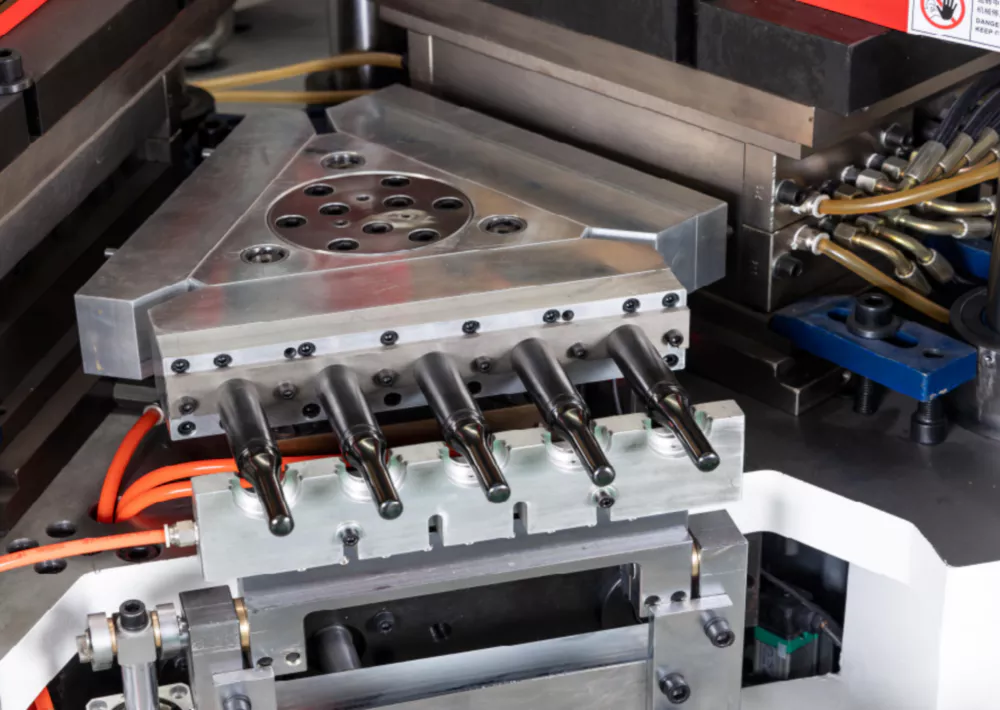
Full European-Style Structure — 20–30% Stronger Clamping
The full European structure delivers injection clamping force 20–30% greater than the Chinese-market average at every tonnage tier. This rigidity advantage means flash-free output at maximum cavity count on high-viscosity HDPE and PP, longer mould life due to reduced parting-surface stress, and consistent neck dimensions across every production shift without operator adjustment.
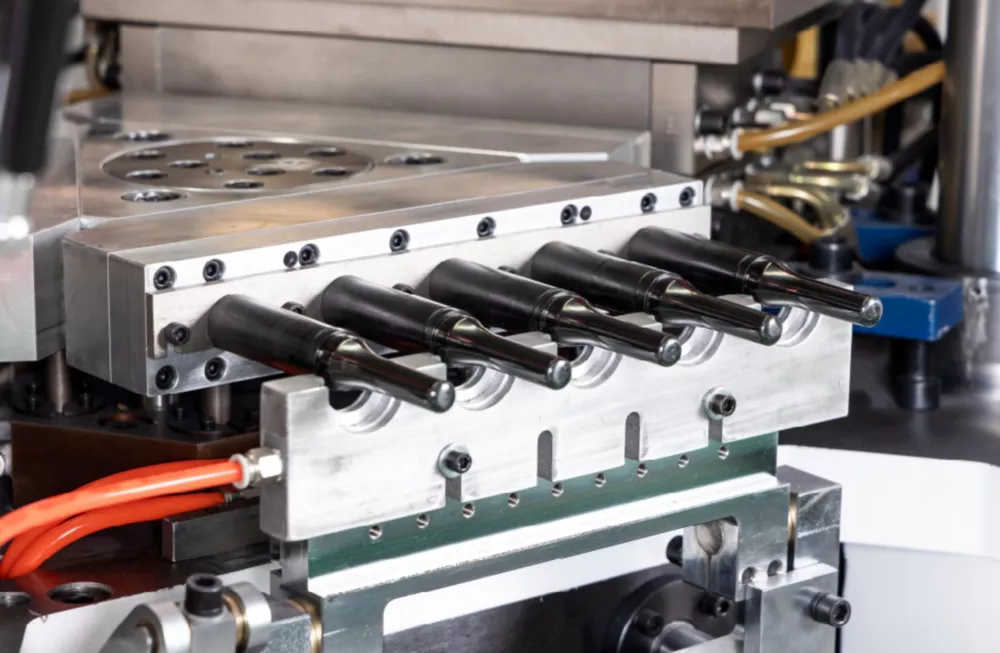
Pressurized Clamping Architecture — 10–20% Lower Energy
The booster cylinder in the clamping system does not participate in the mould open/close stroke. It activates only during the clamping hold phase — a fraction of total cycle time. This single architectural decision reduces total machine energy consumption by 10–20% compared to conventional designs where the booster drives every open/close motion, cutting monthly utility cost substantially on sustained production schedules.
Standard High-Precision Angle Divider — Servo Rotary Indexing
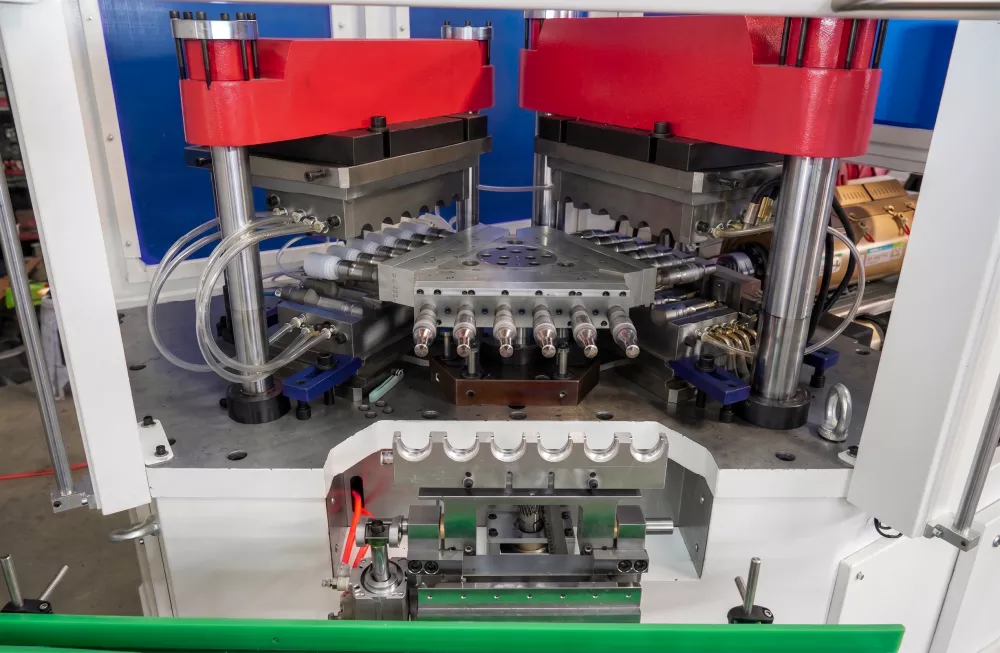
A high-precision angle divider for servo rotary indexing is standard on every machine in the range — not an optional upgrade. The divider synchronises mould open/close with rotary table lift simultaneously, eliminating the sequential dead time that chain-drive systems introduce. This parallel motion delivers the 4-second dry cycle consistently at full cavity load without requiring higher motor speed or increased wear on rotary bearings.
Hydraulic Double System — Standard from ZQ80 Upward
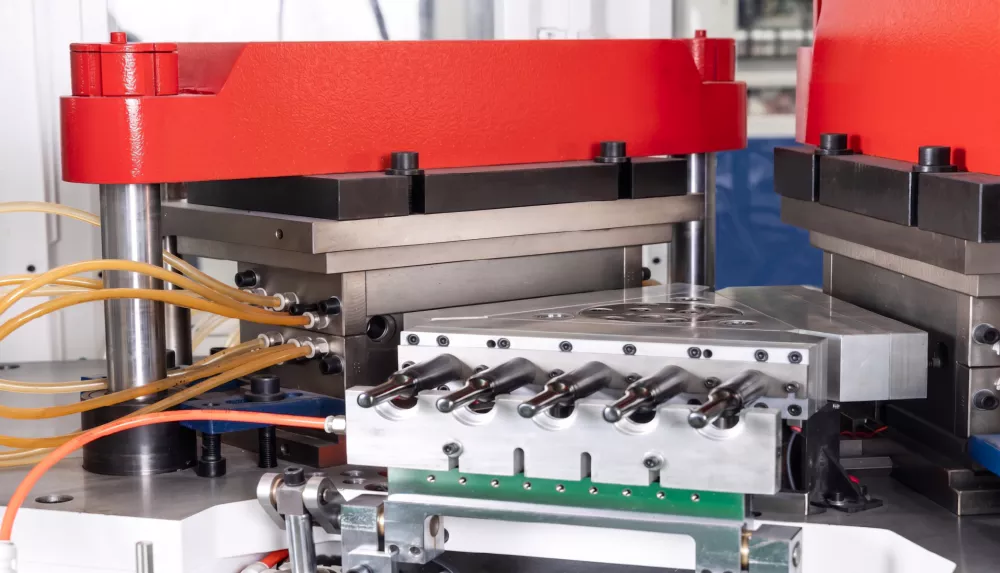
From the ZQ80 model upward, the hydraulic double system ships as standard equipment. This isolates injection-side and blow-station hydraulic circuits so that clamping pressure at the blow station does not drop when injection-side demand peaks simultaneously — the failure mode that causes inter-cavity weight variation on single-circuit machines running high-cavity, high-viscosity HDPE tooling.
IBM vs. ISBM vs. EBM — Choosing the Right Process
Three blow-molding processes serve different resin families, bottle geometries and volume requirements. This 11-dimension comparison covers the key decision criteria. If your container requires PET or PETG, explore our one-step ISBM machine range.
- Weight variation approx. 1% — most consistent
- Uniform wall thickness, consistent fill
- No flash, no gate trimming required
- Excellent bottom convexity for filling-line stability
- Zero scrap — no edge waste
- Wall thickness not adjustable in process
- Temperature-insensitive process
- High cavity count — up to 30 at 10 ml
- Long mould life, compact machine footprint
- Neck 100% sealed to closure in injection mould
- Oval-profile bottles more complex to mould
- Weight variation approx. 1% + biaxial stretch
- Uniform wall via biaxial stretch orientation
- No flash, no sprue
- Superior base strength via stretch
- Zero scrap
- Biaxial enables thin high-strength walls
- Sealed, temperature-stable process
- Fewer cavities vs. IBM at same volume
- ASB/AOKI mould compatibility — long life
- PET/PETG/PC/Tritan — wider resin range
- Oval and asymmetric profiles supported
- Weight variation approx. 3% — least consistent
- Wall varies 10–20% across bottle body
- Flash and pinch-off trimming required
- Poor base convexity, unstable on filling line
- 20–40% edge scrap generated per cycle
- Wall thickness adjustable via parison programming
- Temperature-sensitive, more process adjustments
- Fewer cavities per machine, lower output
- Shorter mould life than IBM or ISBM
- Neck finish inconsistent — gate trim required
- Oval and handle-grip profiles form easily
What EP-ZQ Injection Blow Molding Machines Produce
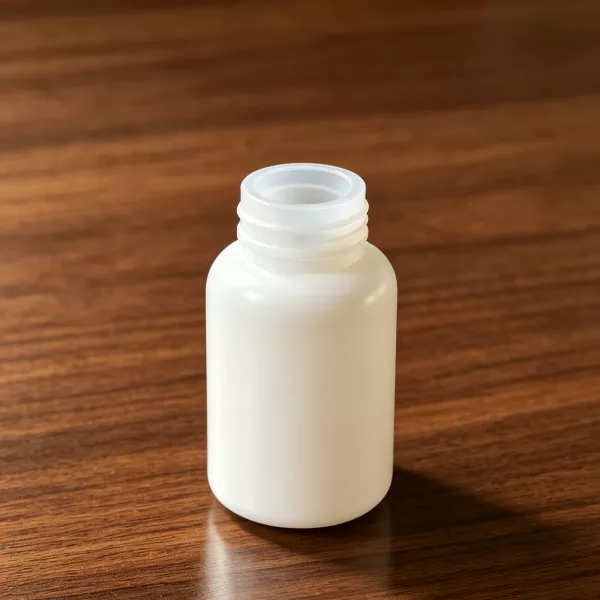
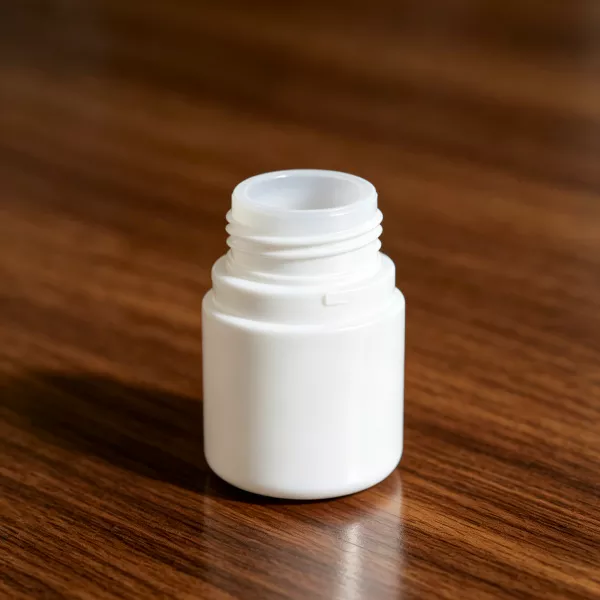
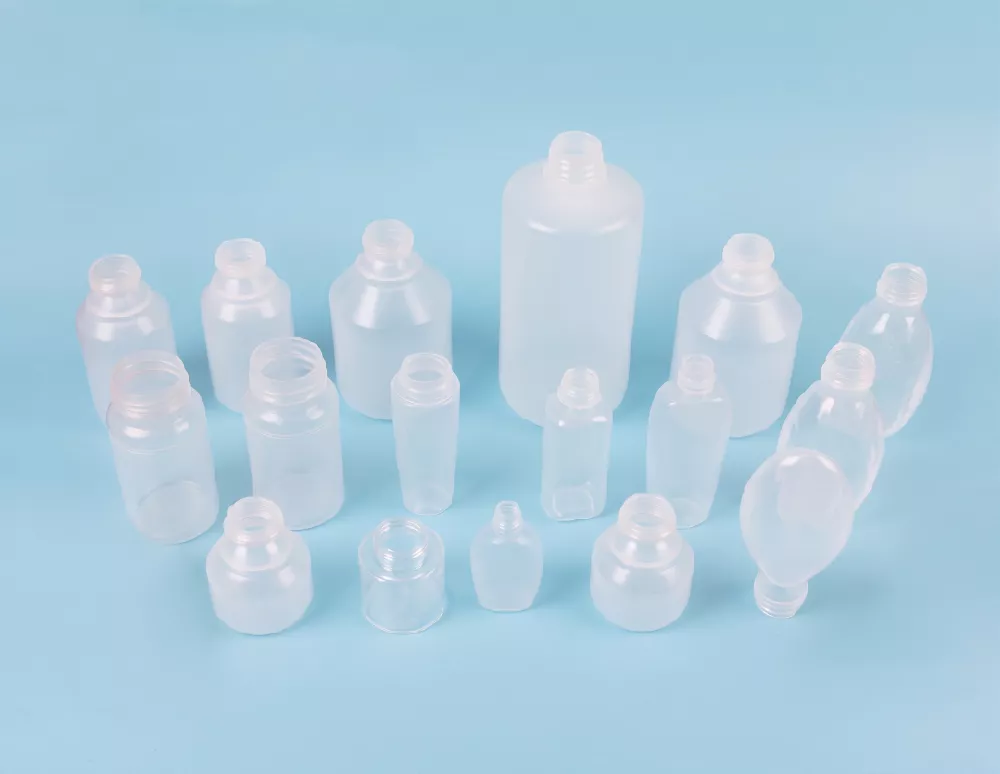
A representative sample of bottles and containers produced on the EP-ZQ series — pharmaceutical vials, cosmetic flacons, daily chemical bottles, food and dairy containers, health supplements, eye droppers, wide-mouth jars and more. Hover to pause.
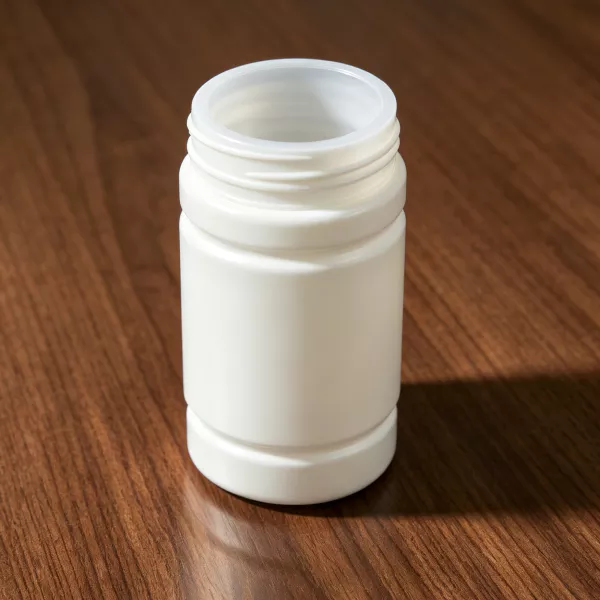
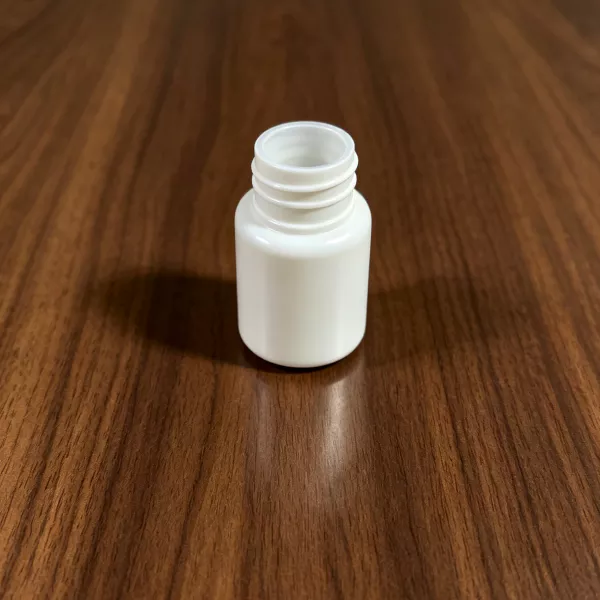

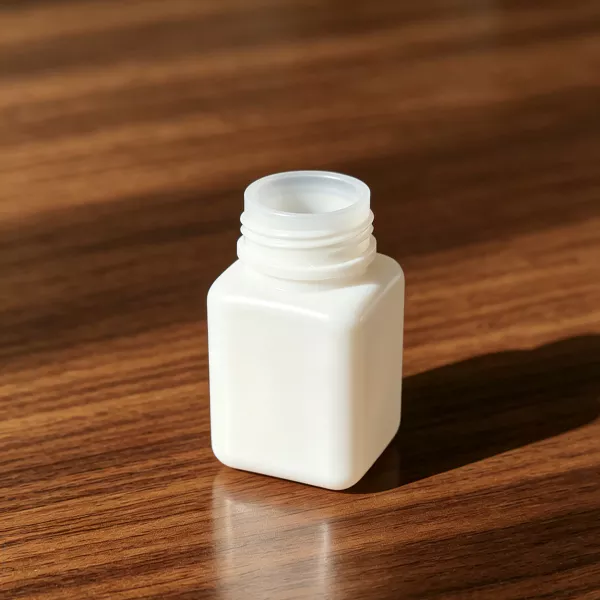
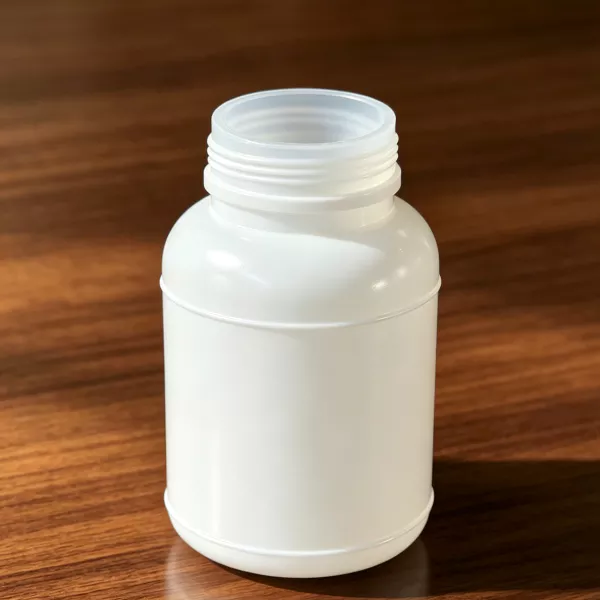
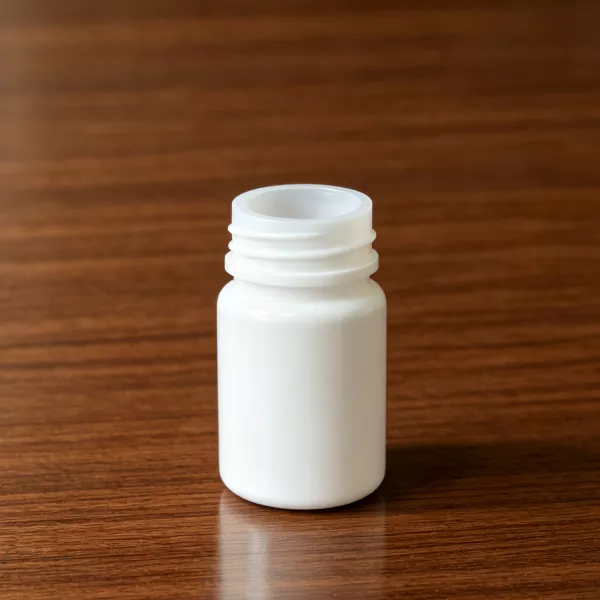
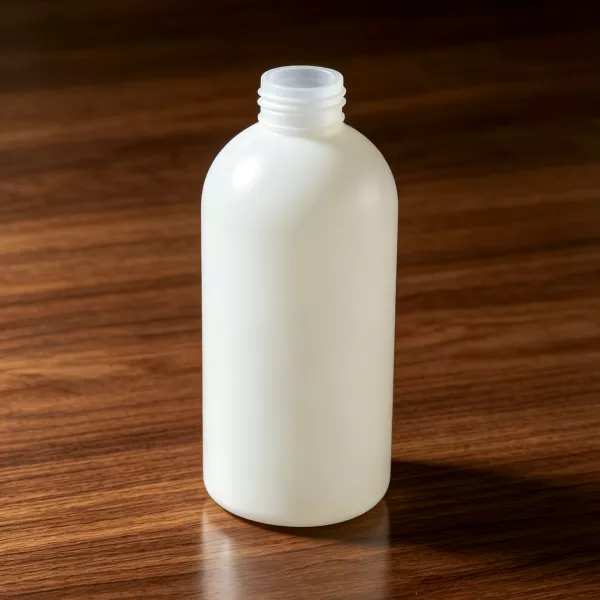
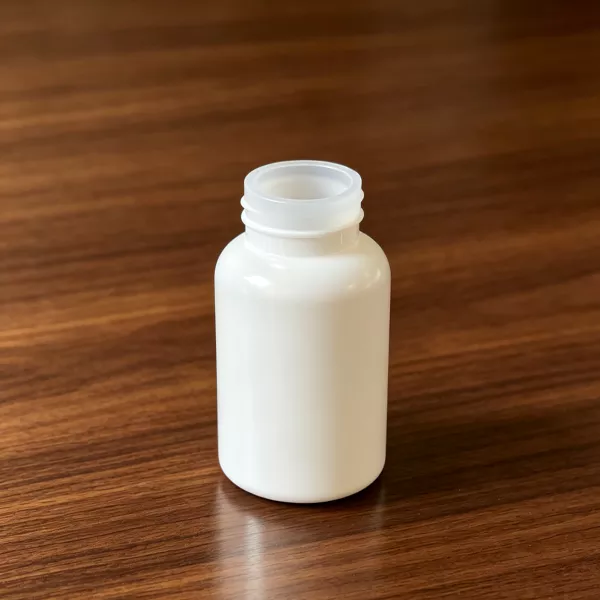
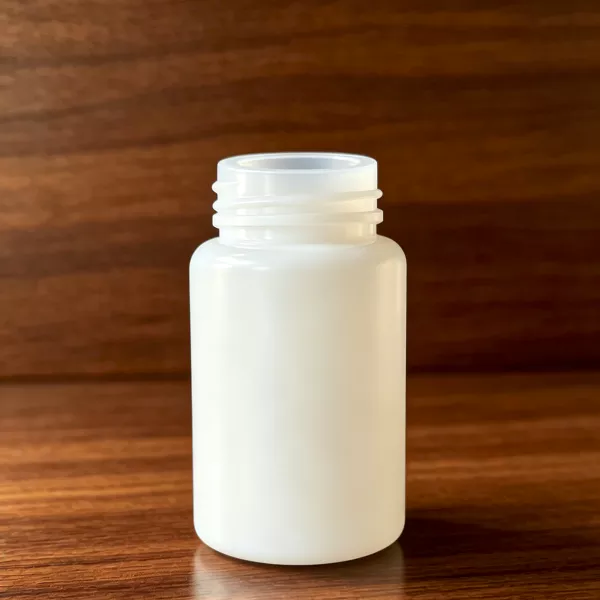
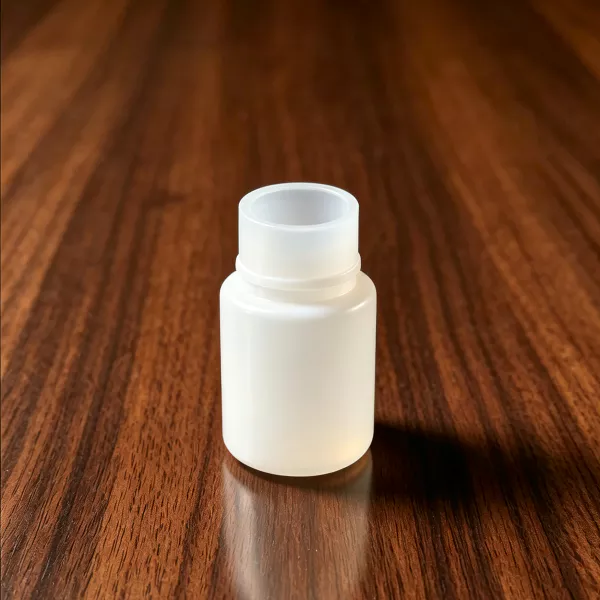
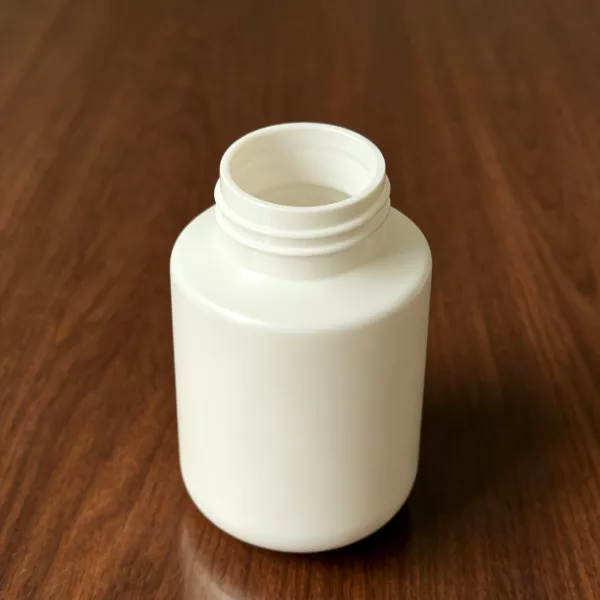
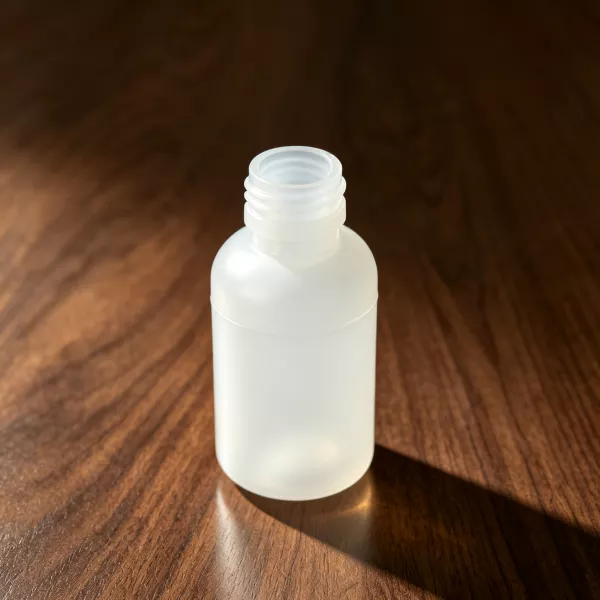
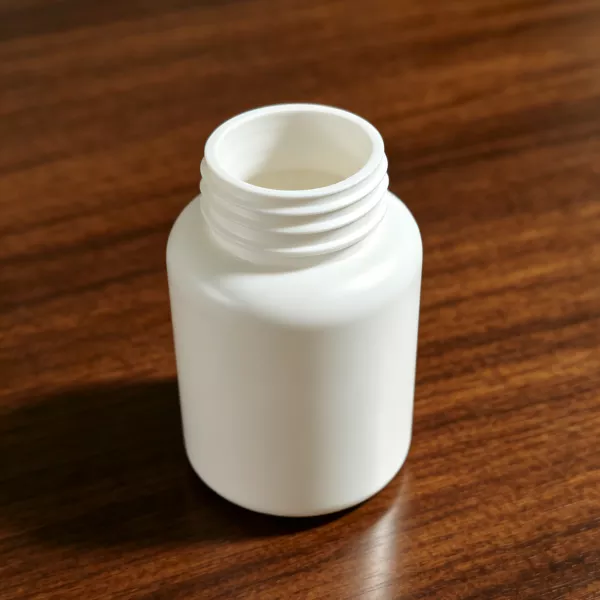
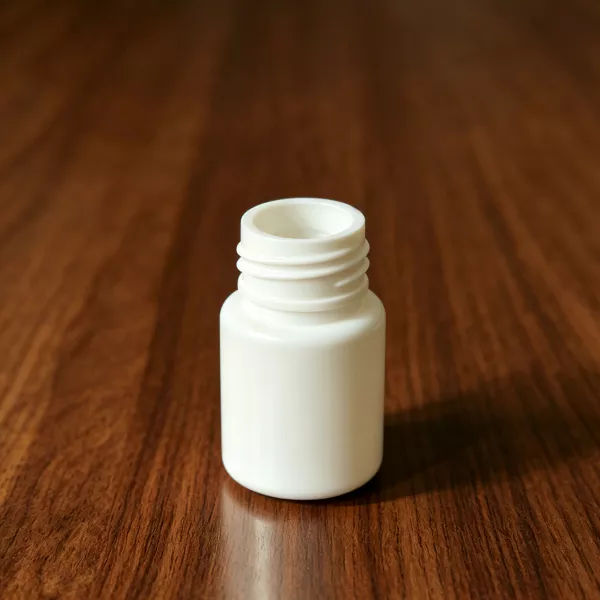
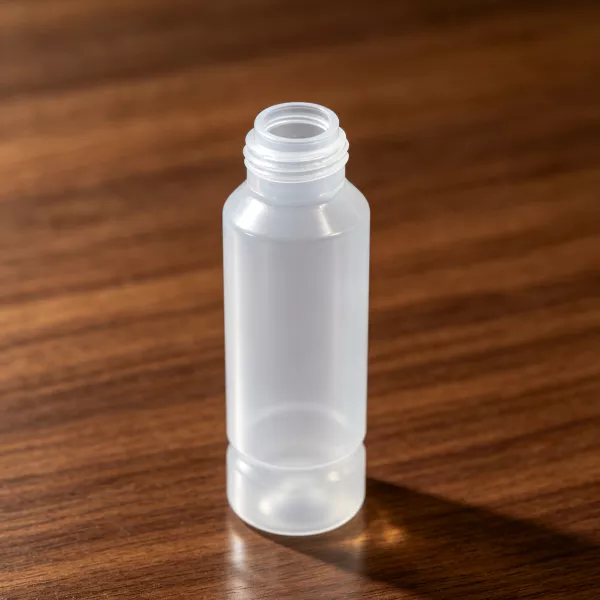
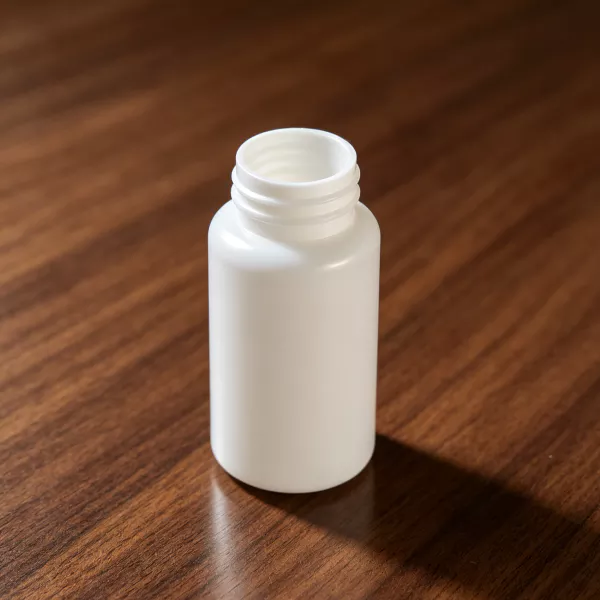
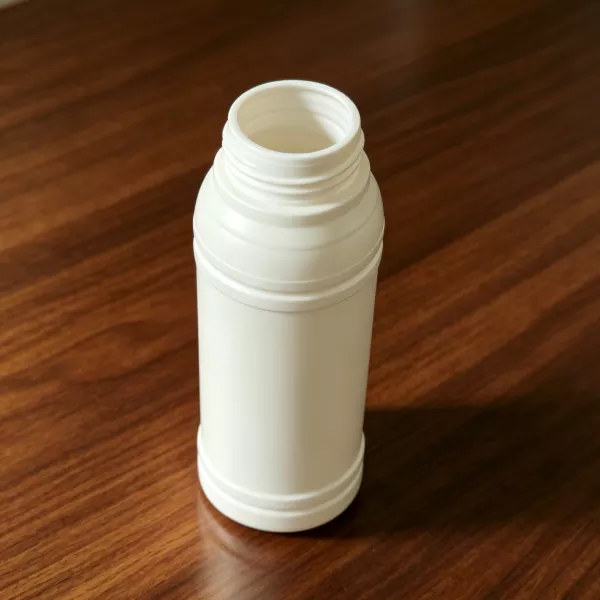
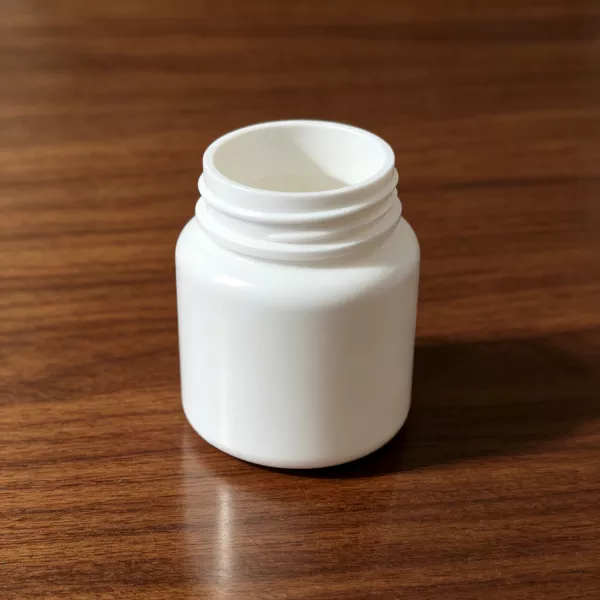
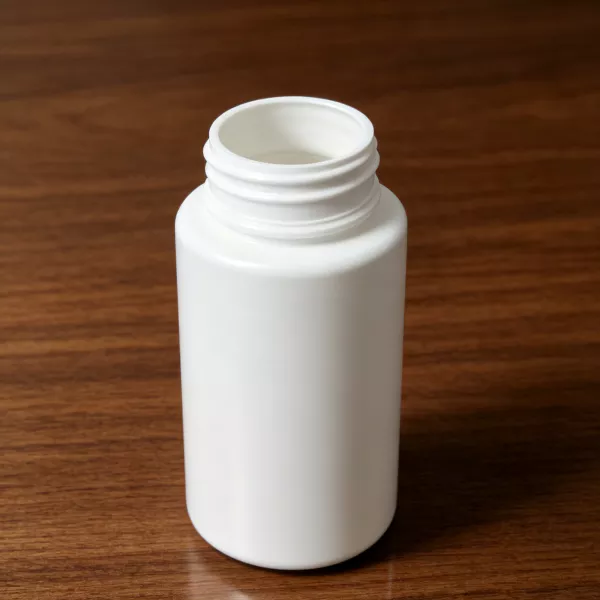
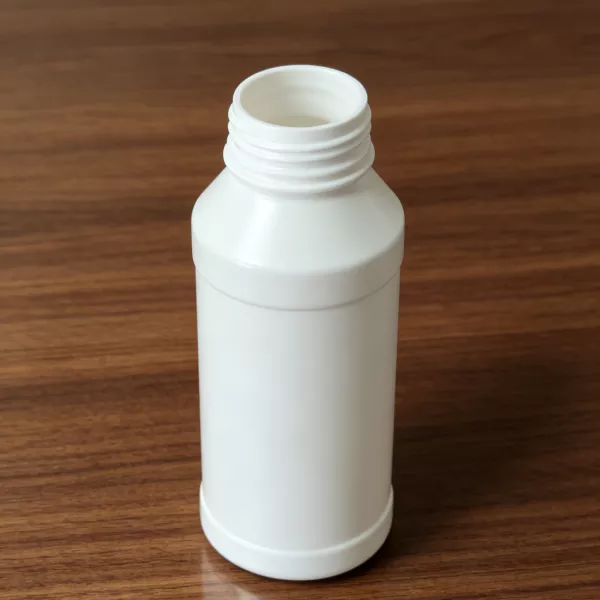
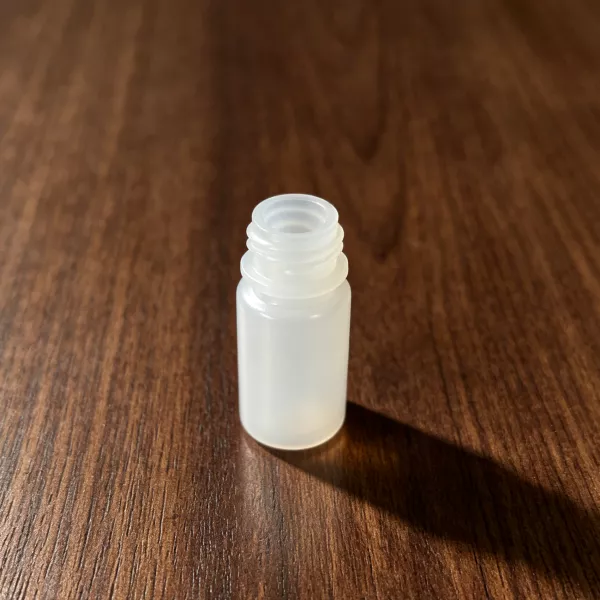
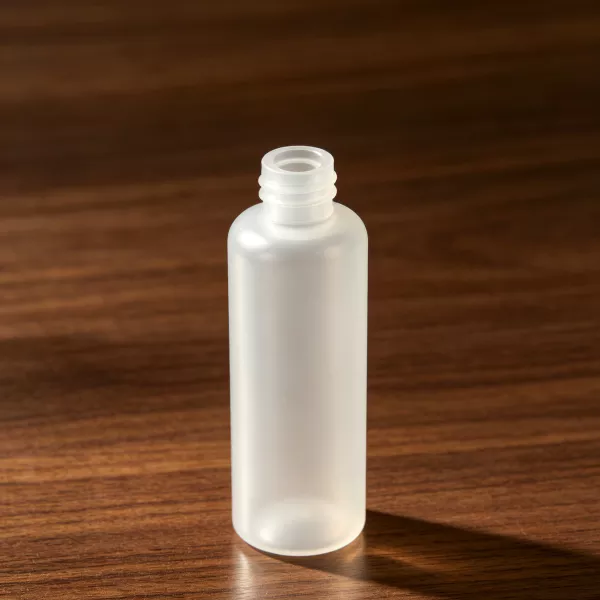
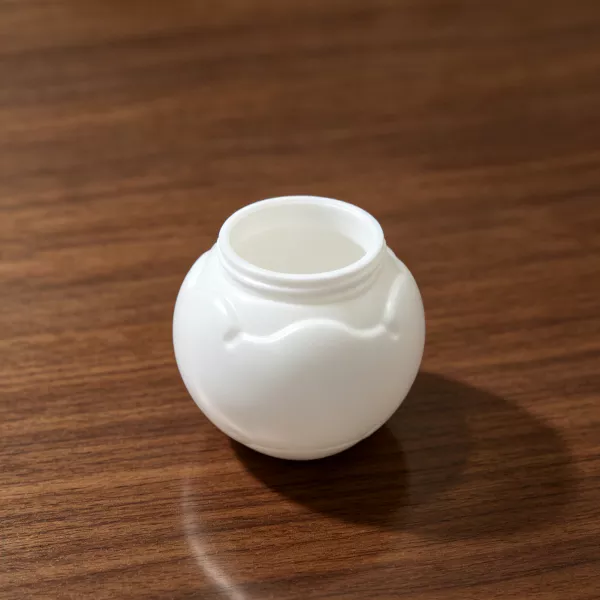
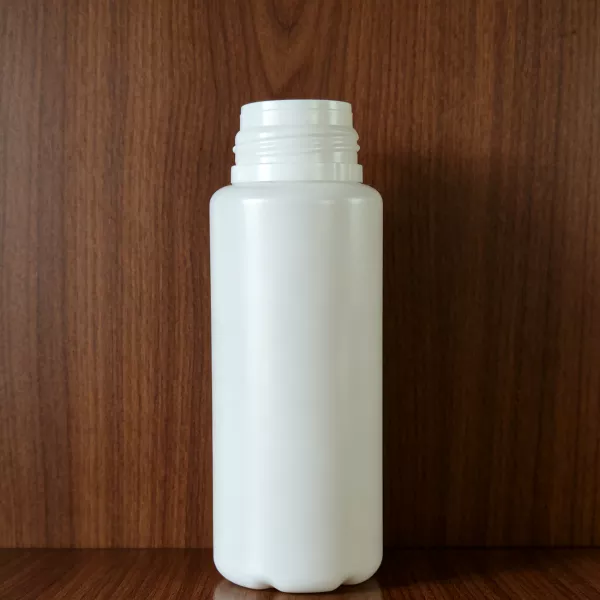
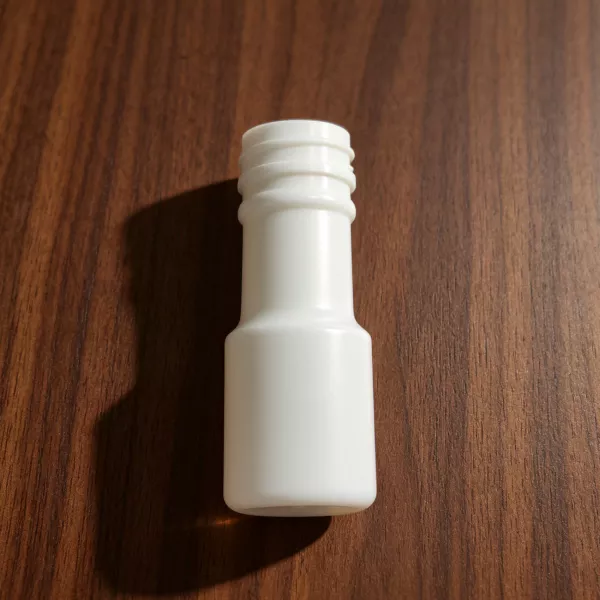
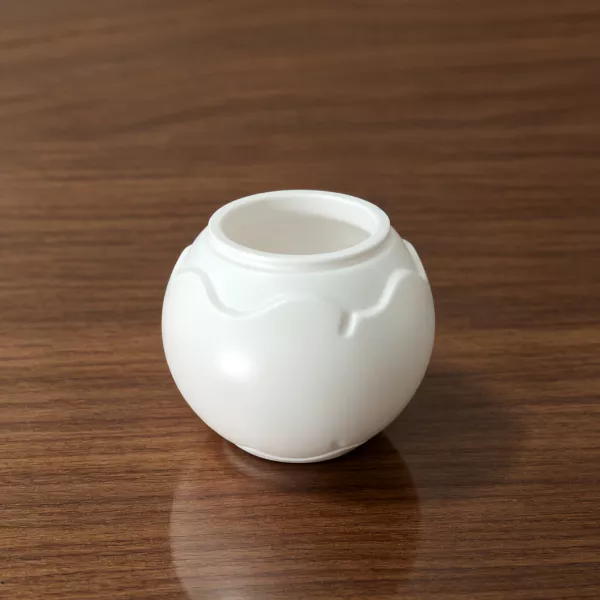
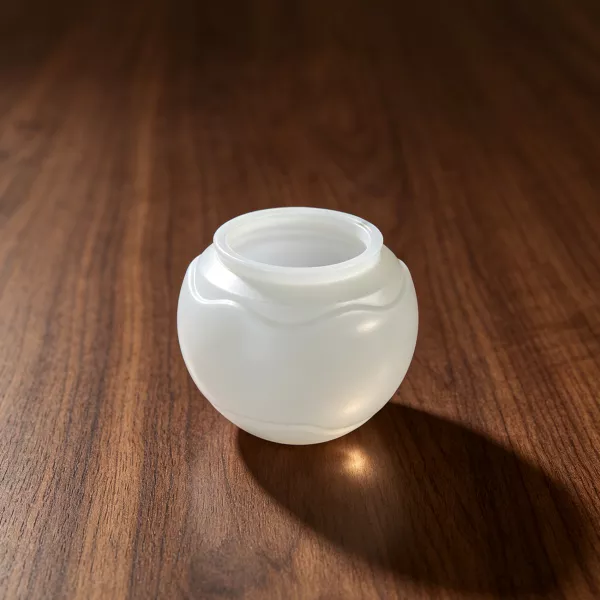
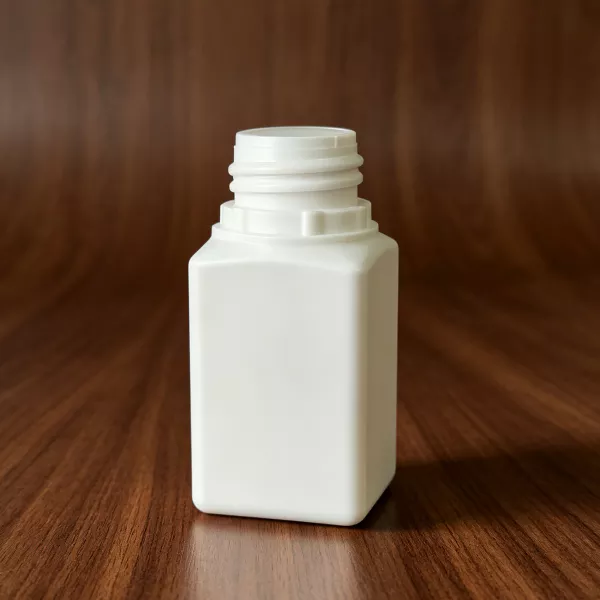
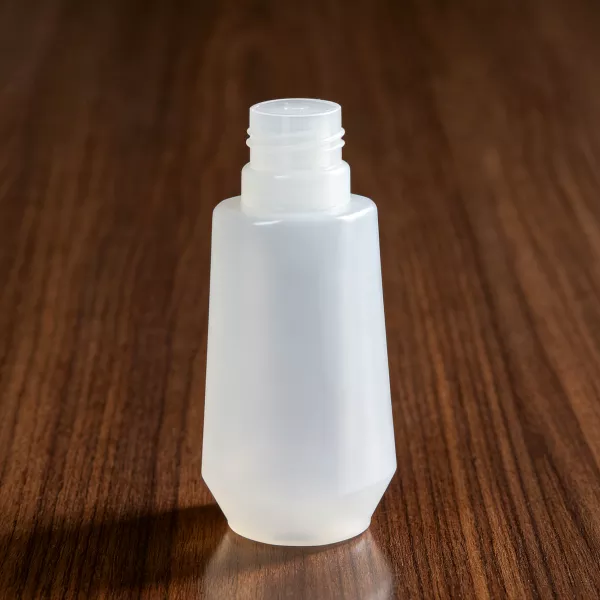
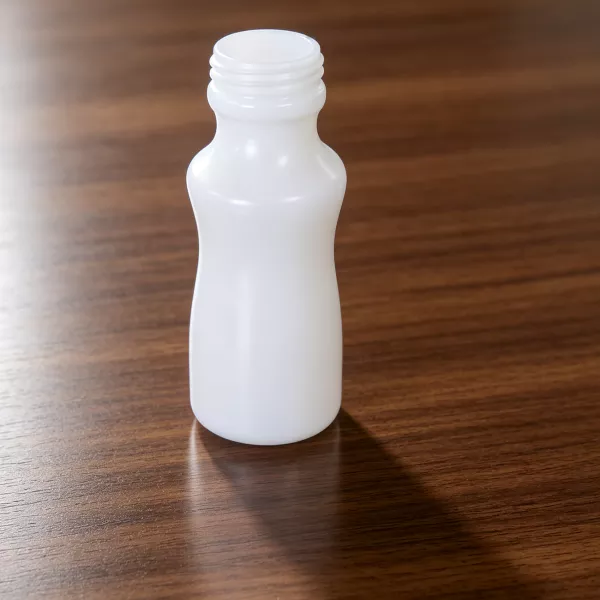
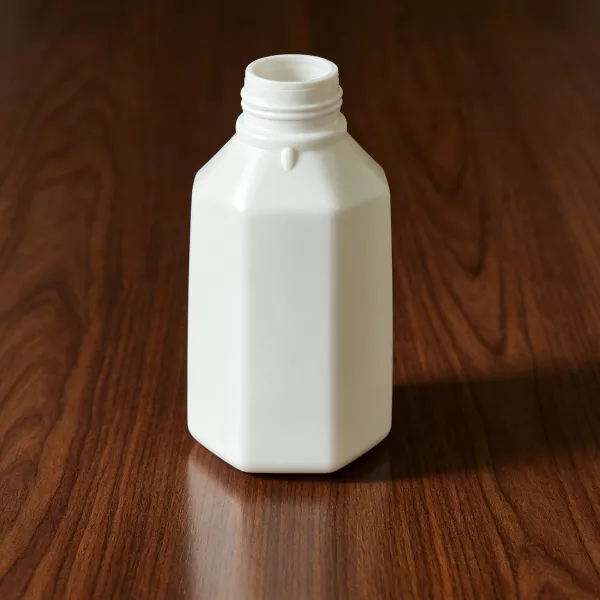

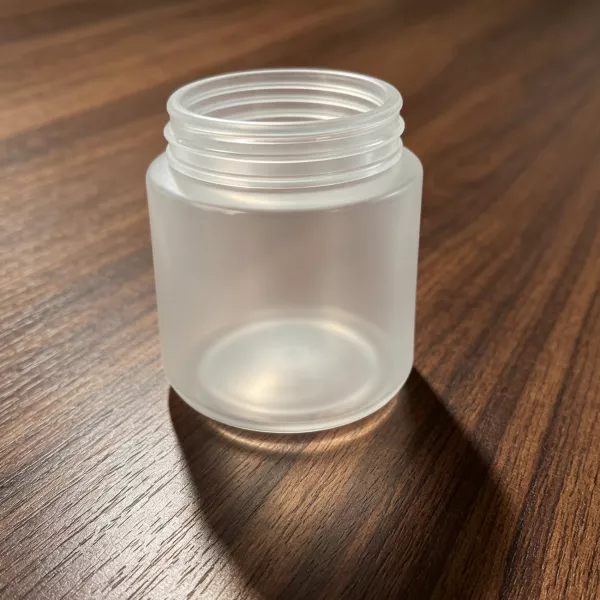
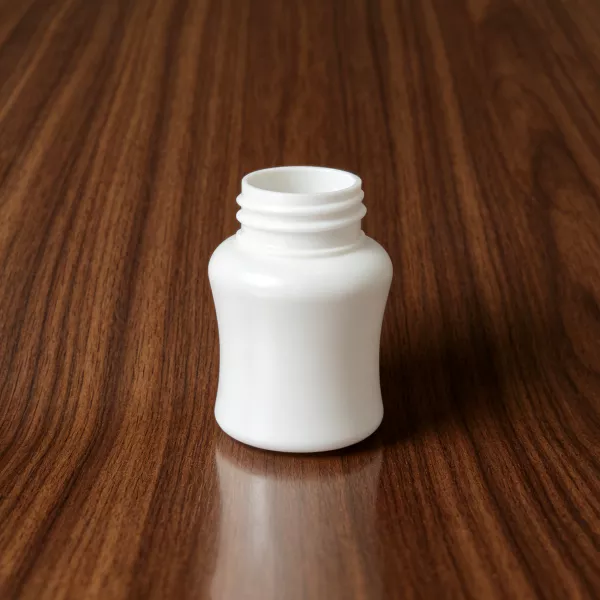
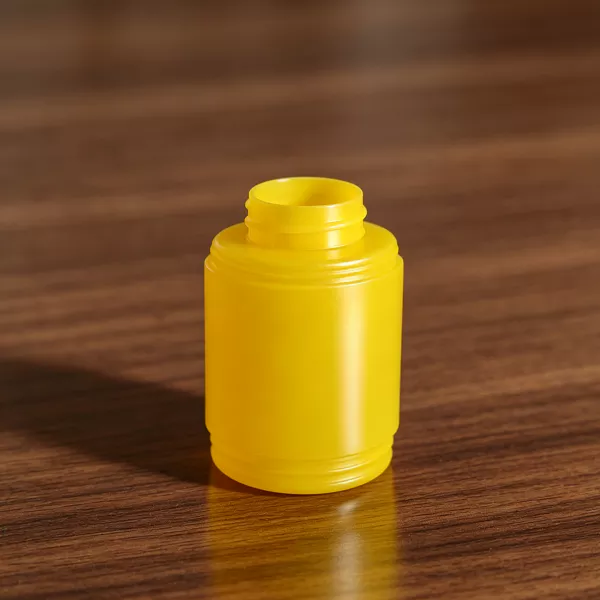
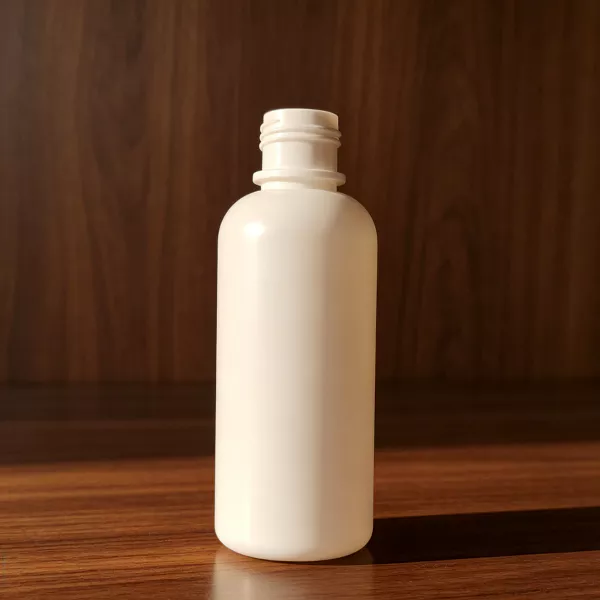
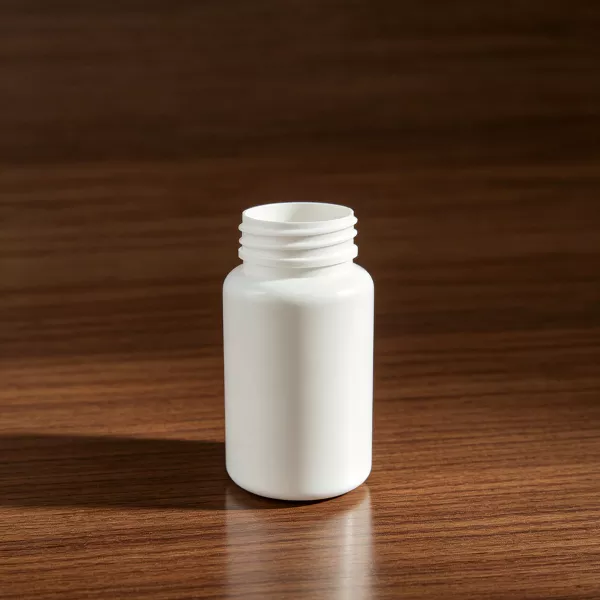
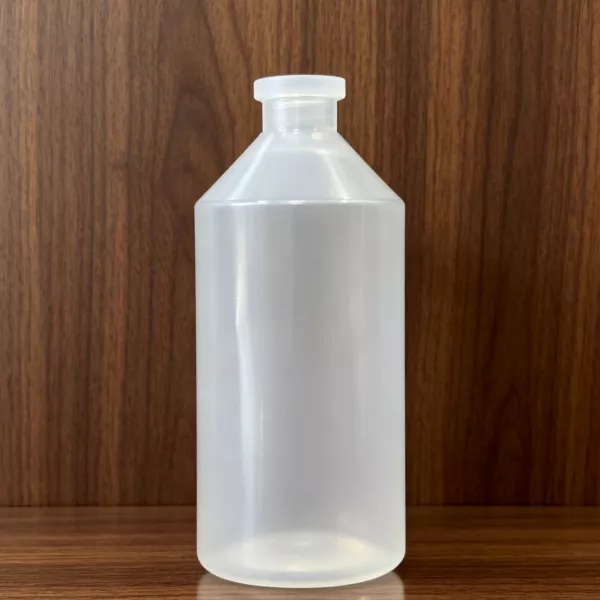
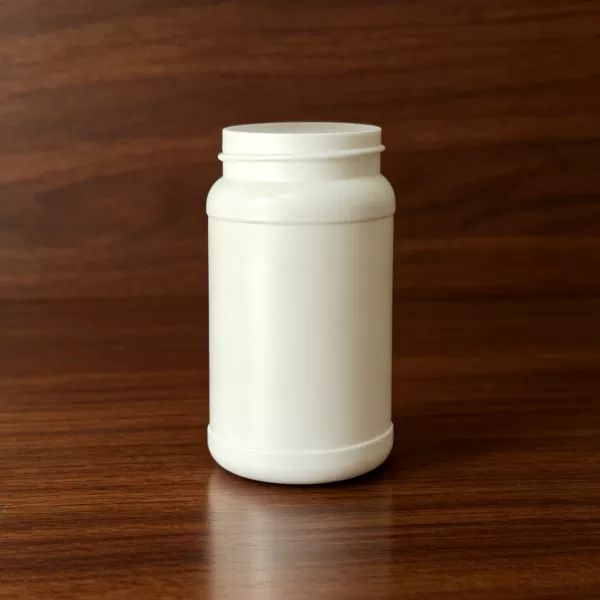
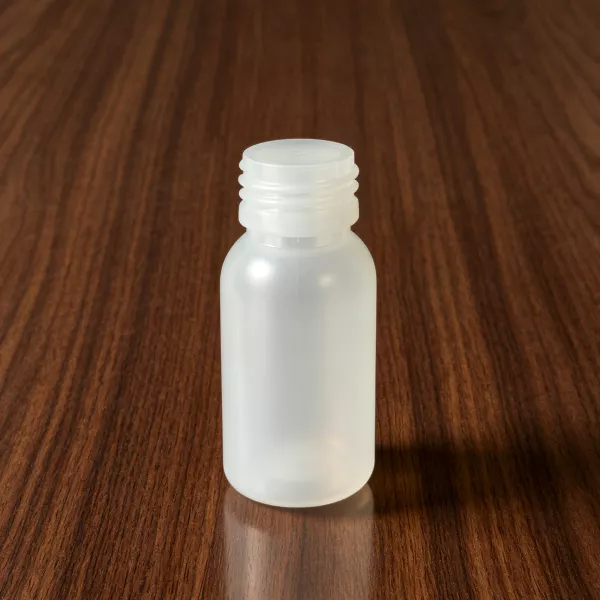
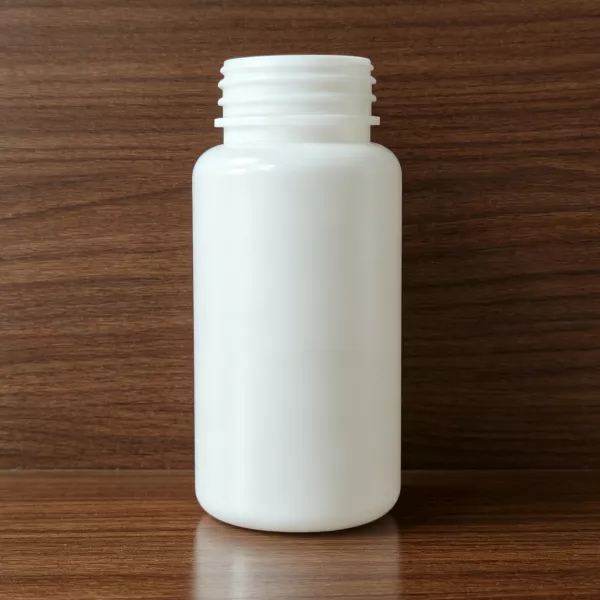
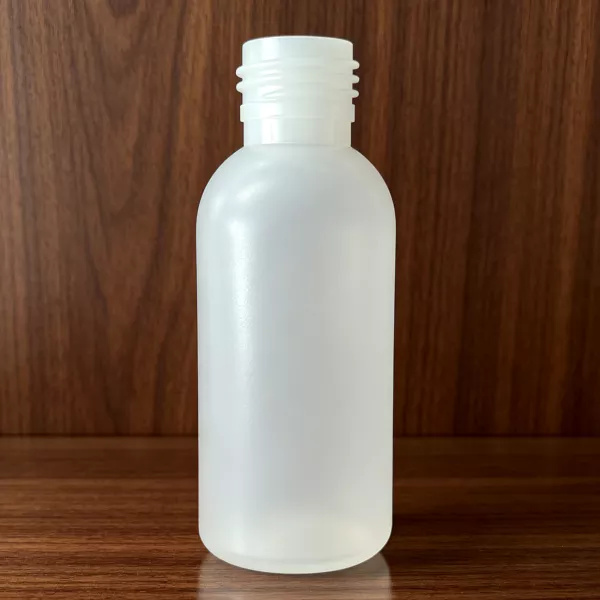
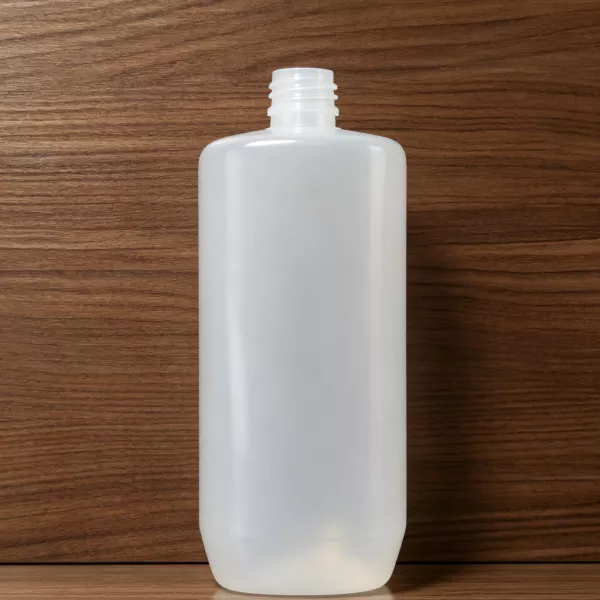

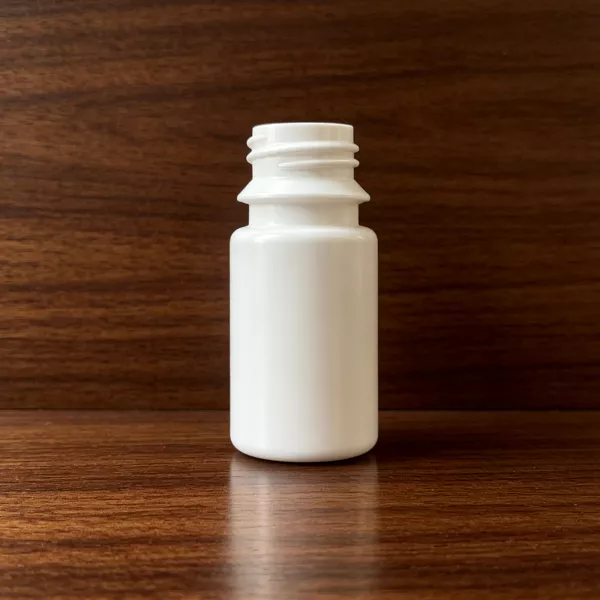
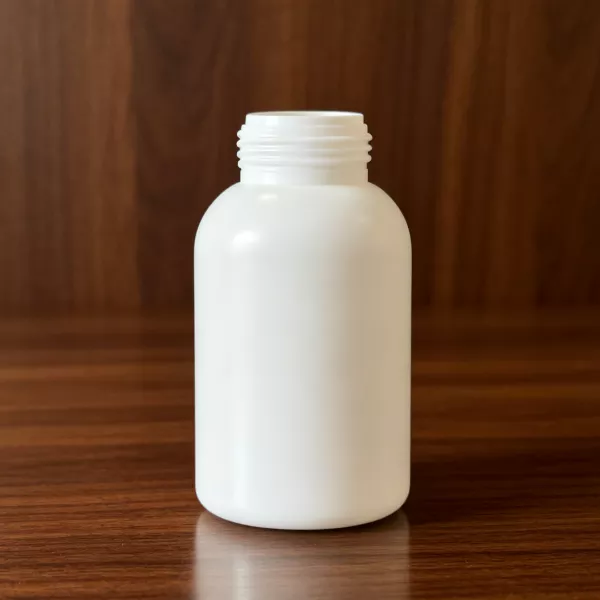
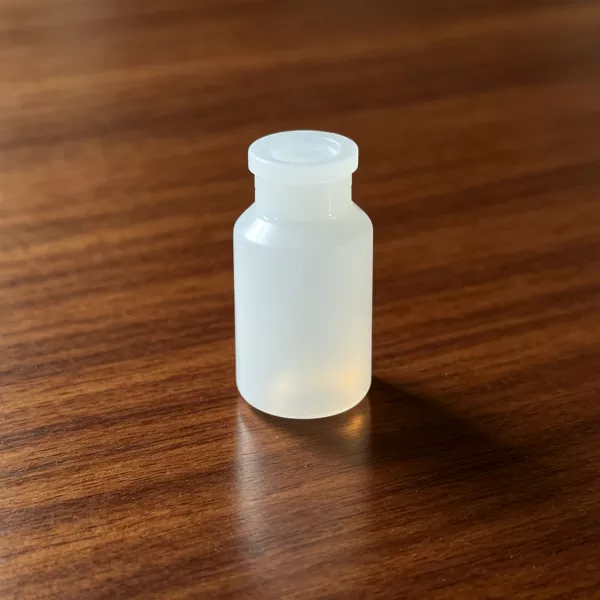
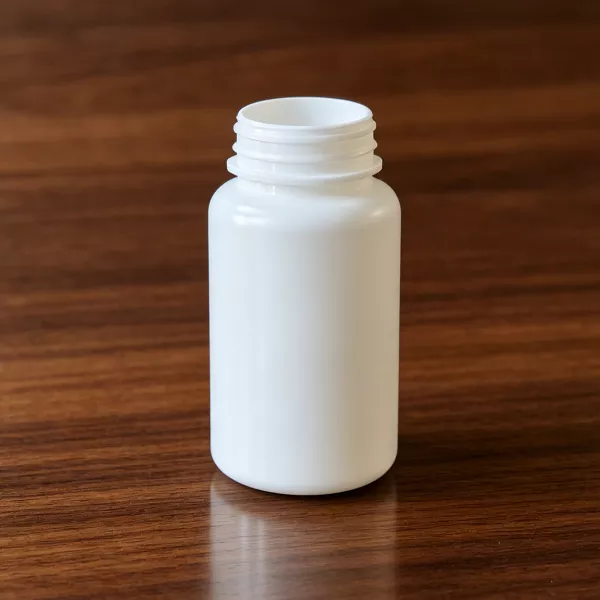
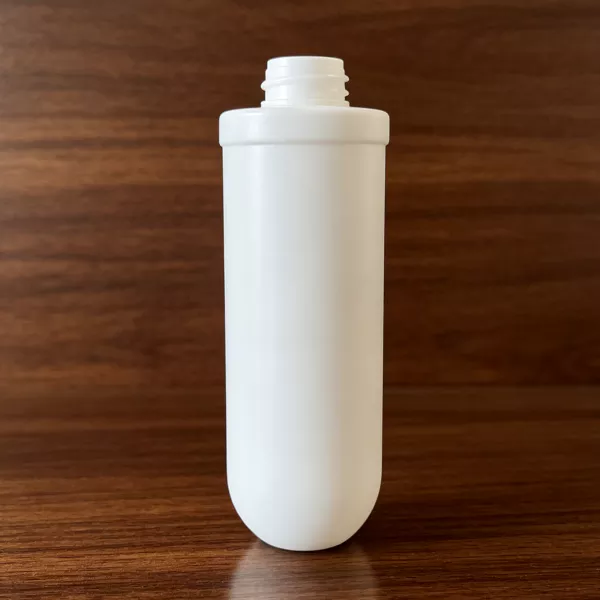
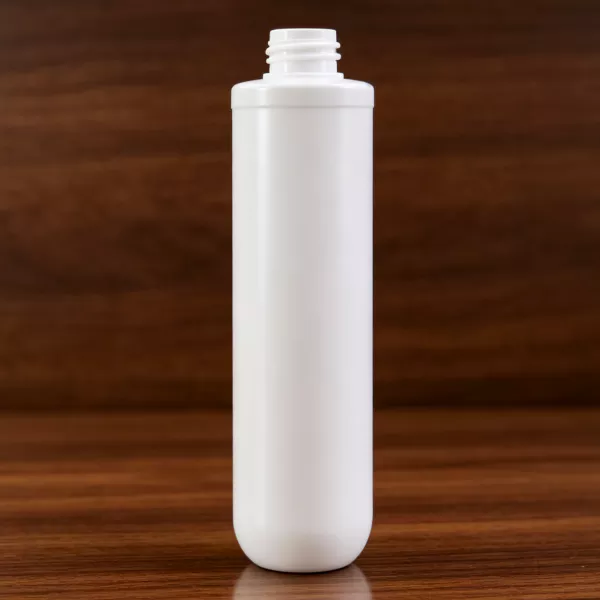

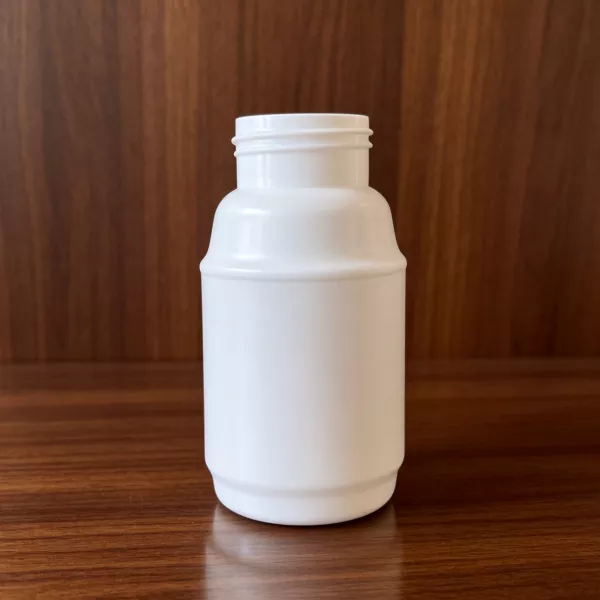
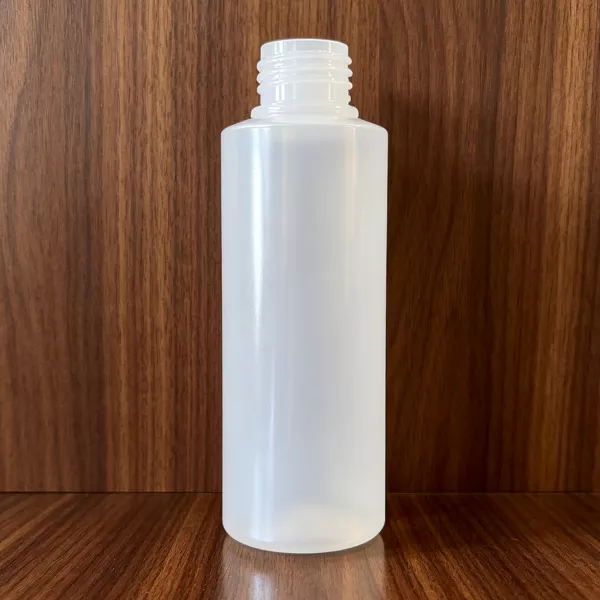
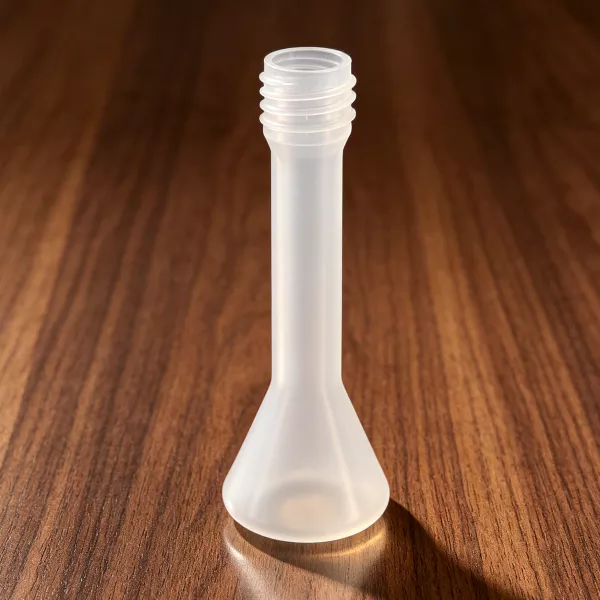
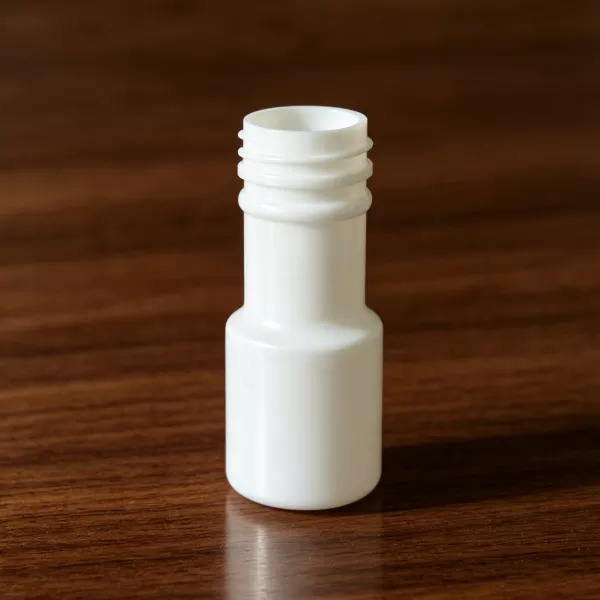
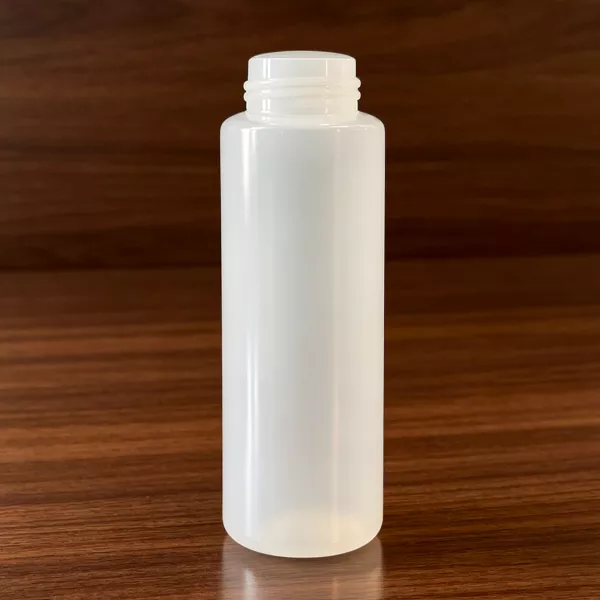
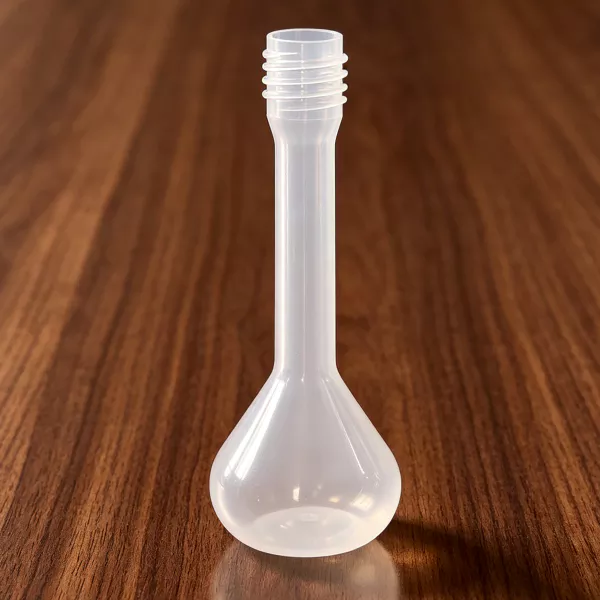
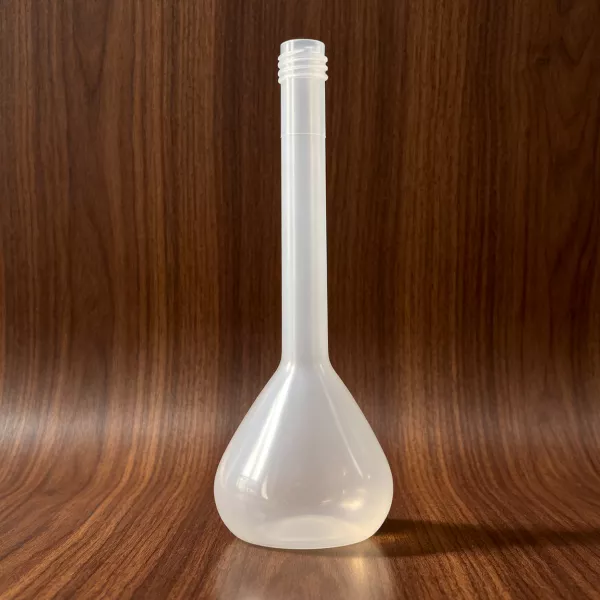
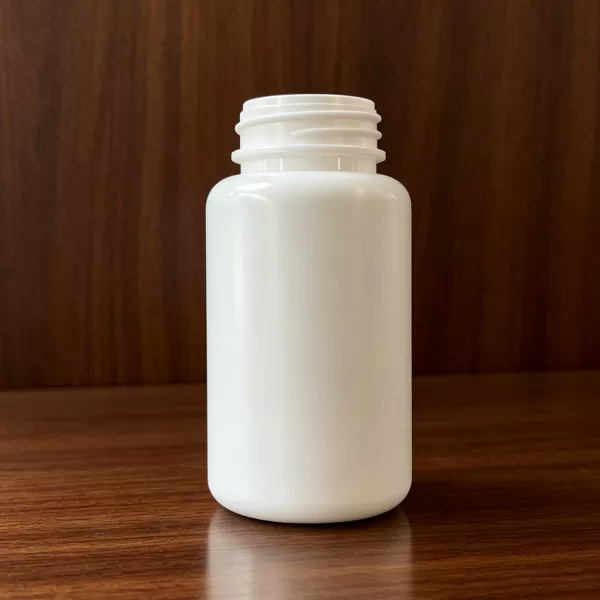
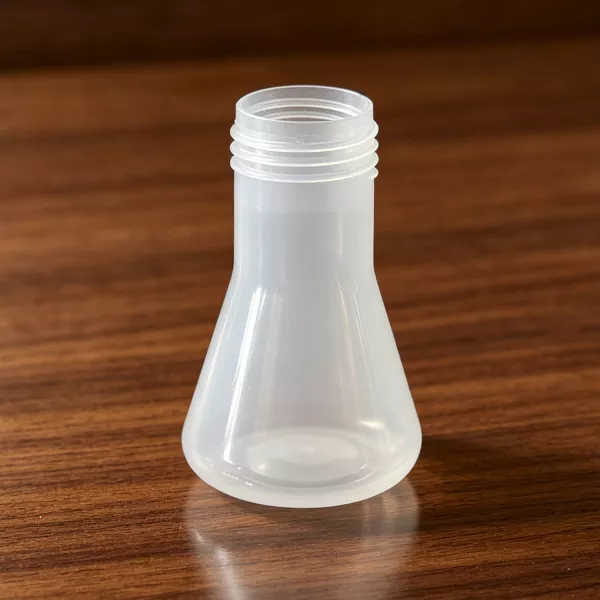
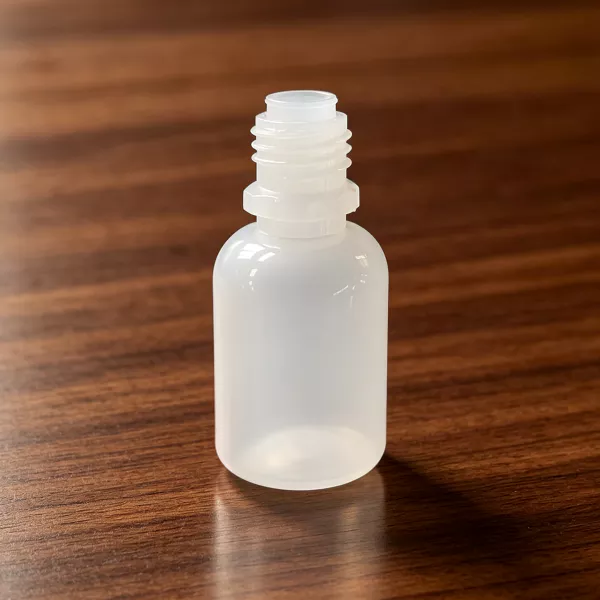
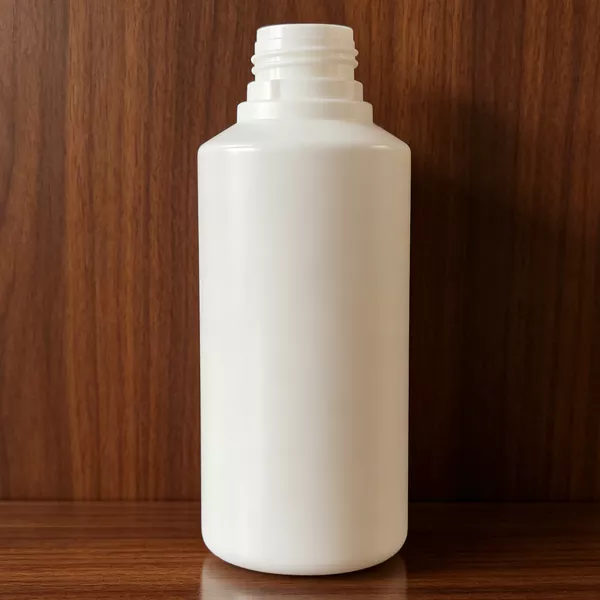

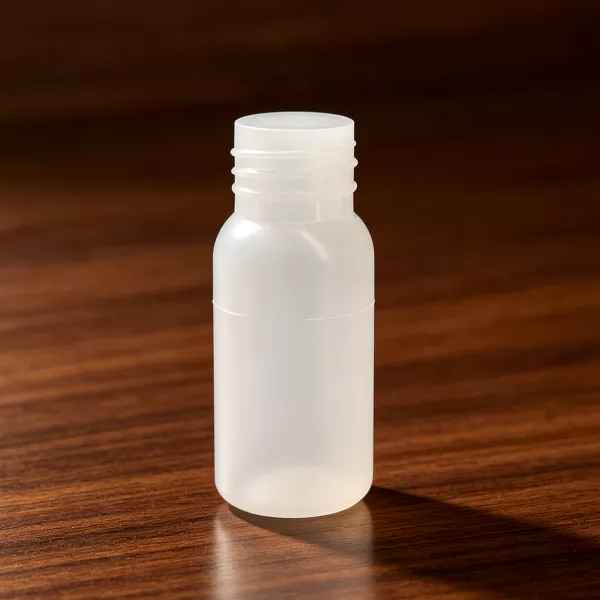
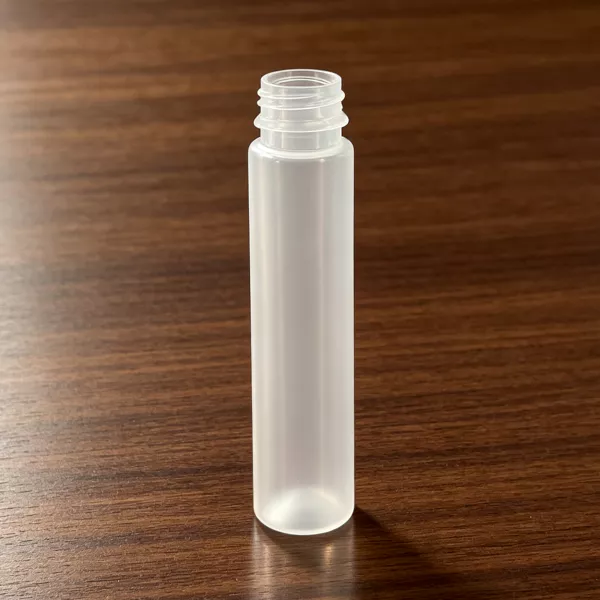
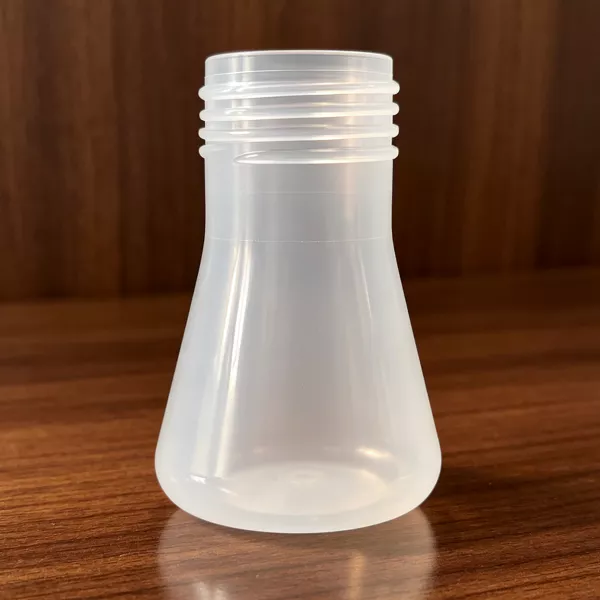
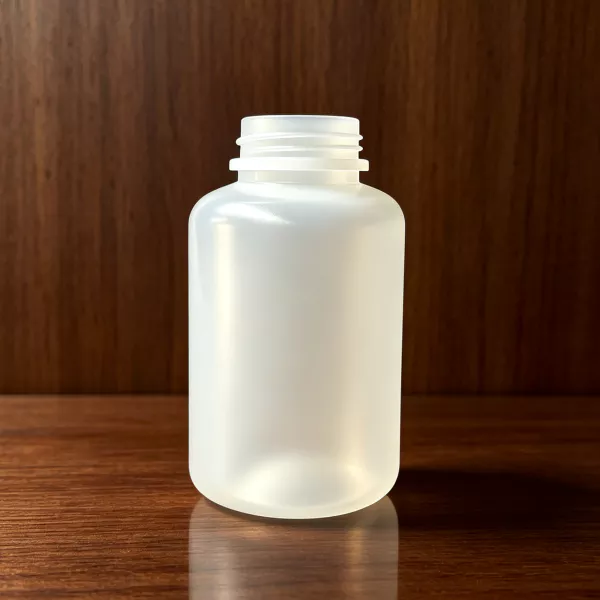
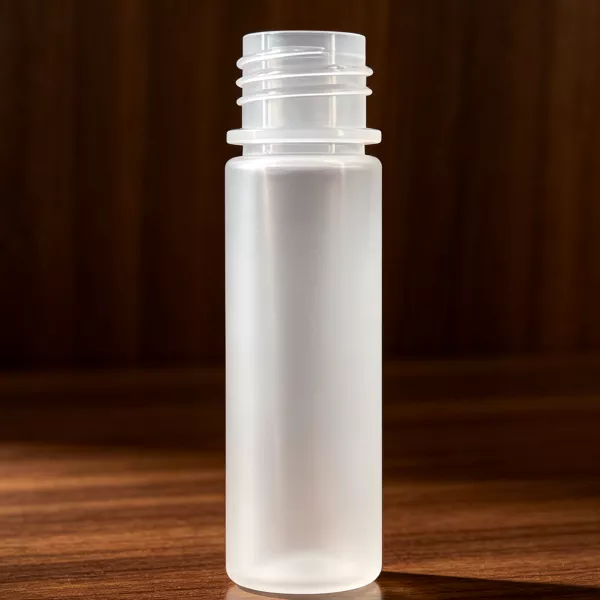
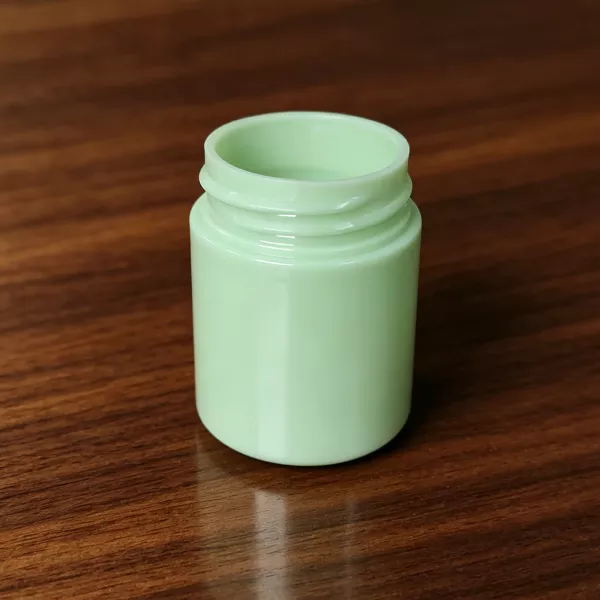
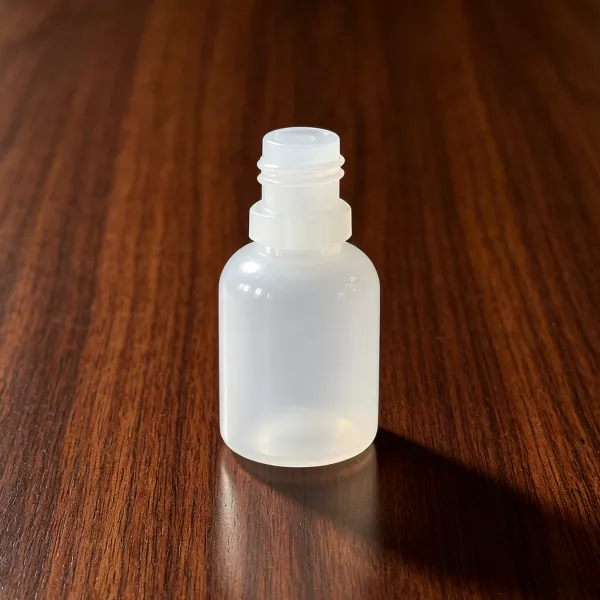
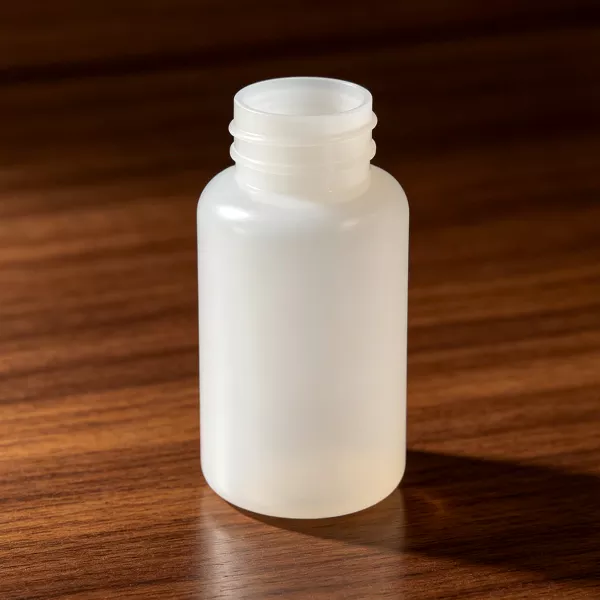

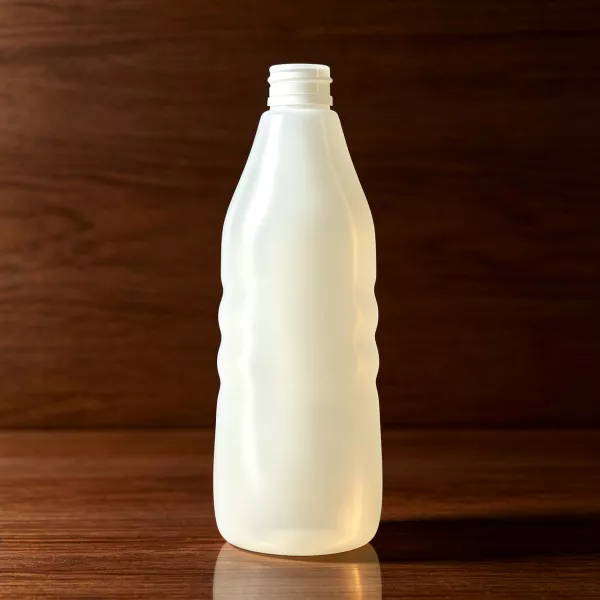
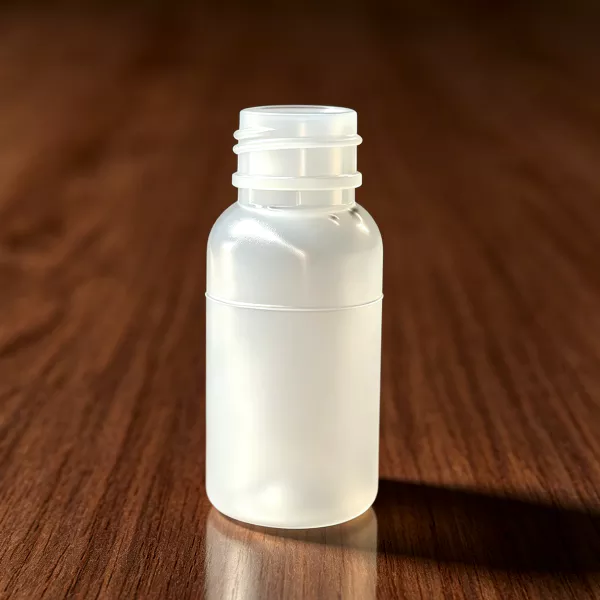
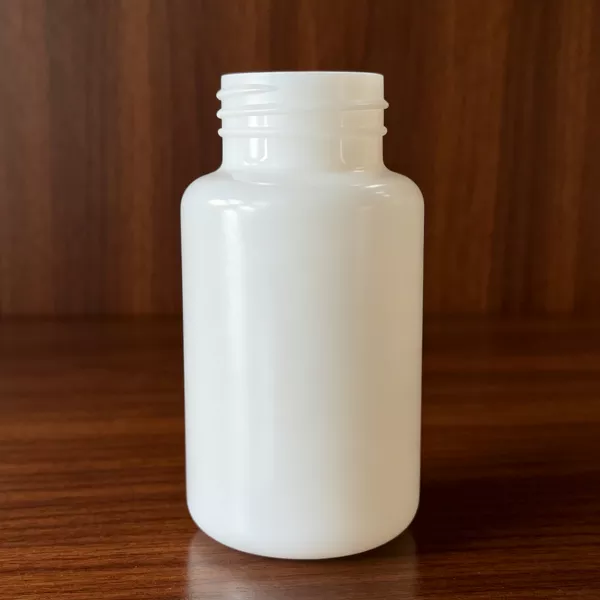
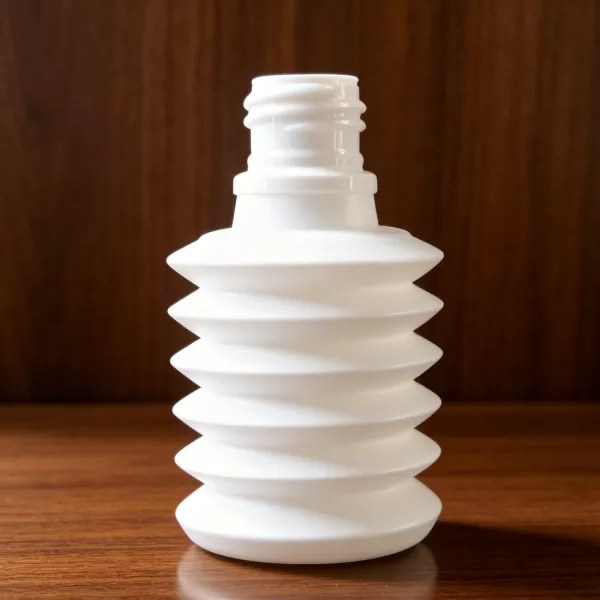
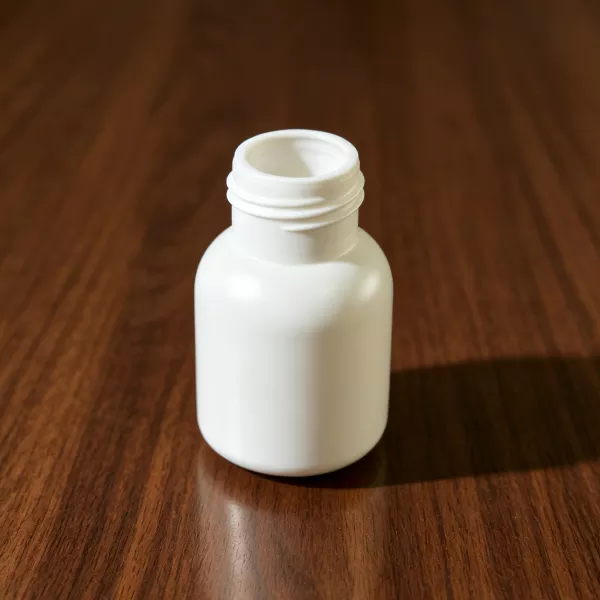
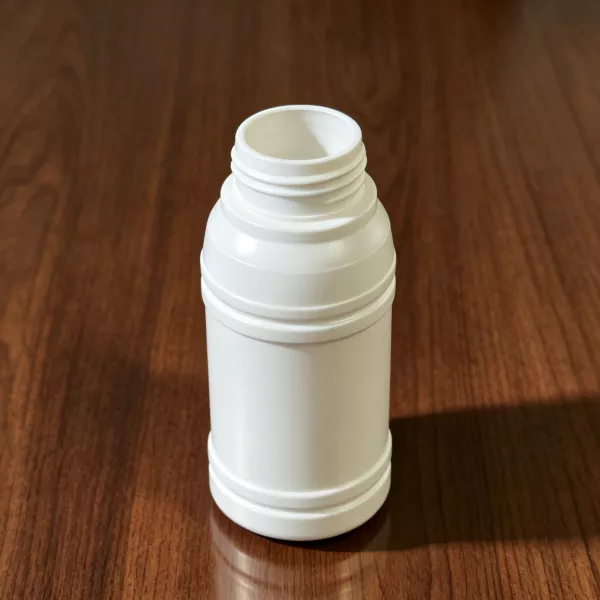
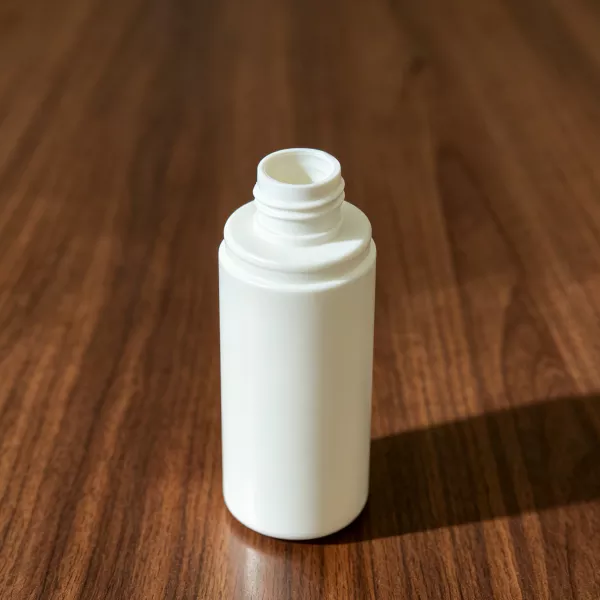
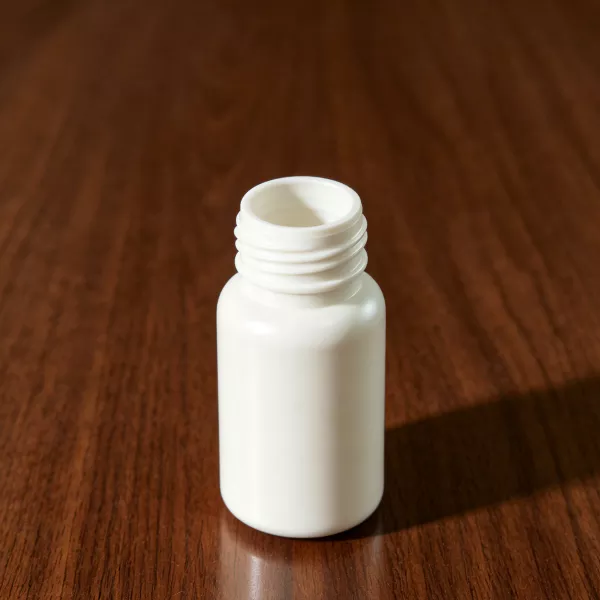
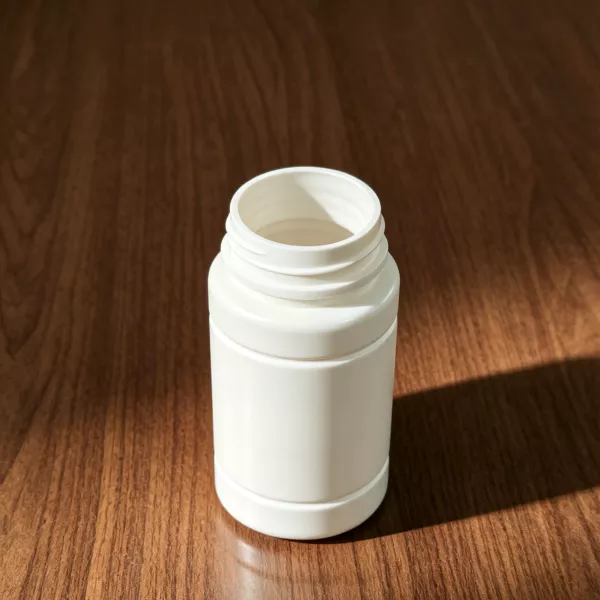
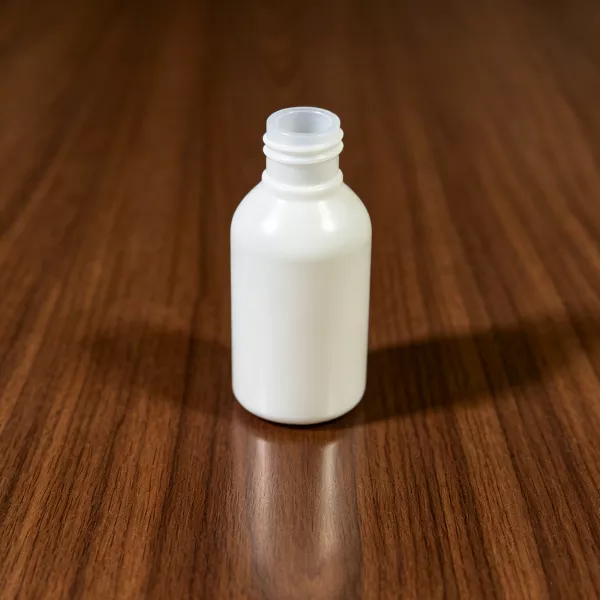
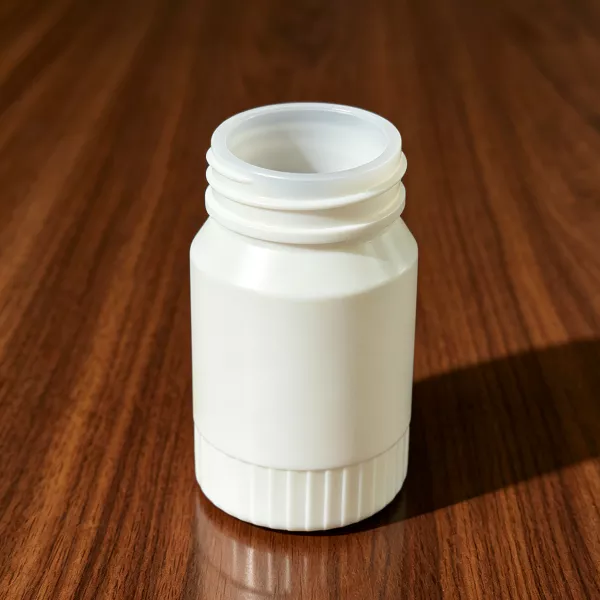
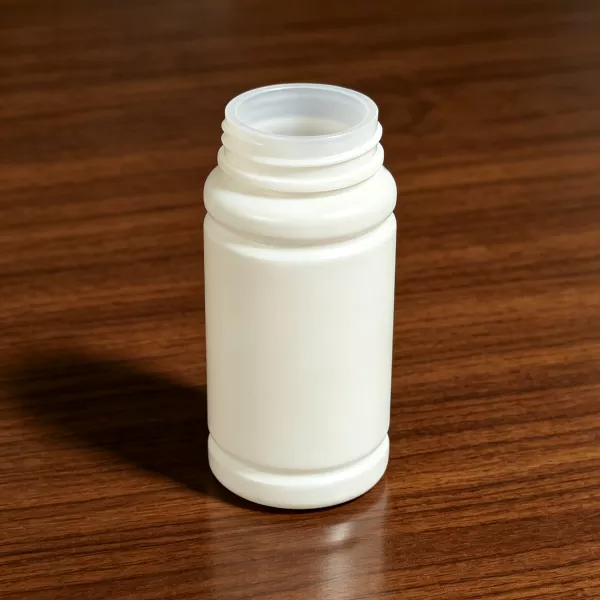
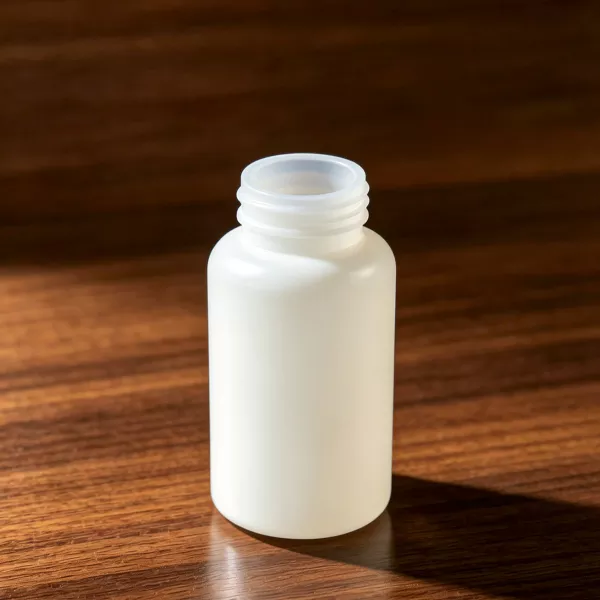
What Injection Blow Molding Machines Produce
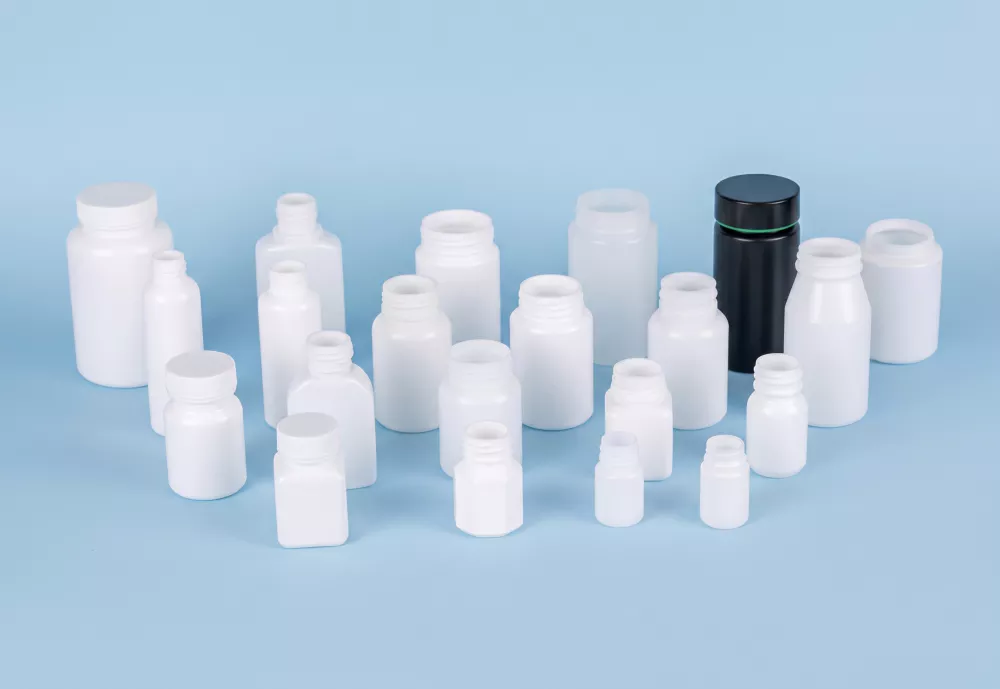
The range covers the full spectrum of small-to-medium hollow container formats across regulated and commercial packaging sectors. If your application is not listed, contact our engineering team — the IBM process handles a wide range of custom bottle geometries and resin specifications.
داروسازی
GMP oral liquid vials (10–250 ml), eye-drop containers, nasal-spray bottles, solid-dose tablet and capsule bottles in HDPE and PP. Neck formed in the injection mould to closure-compatibility tolerance — no post-mould trimming that could introduce particulates into regulated containers.
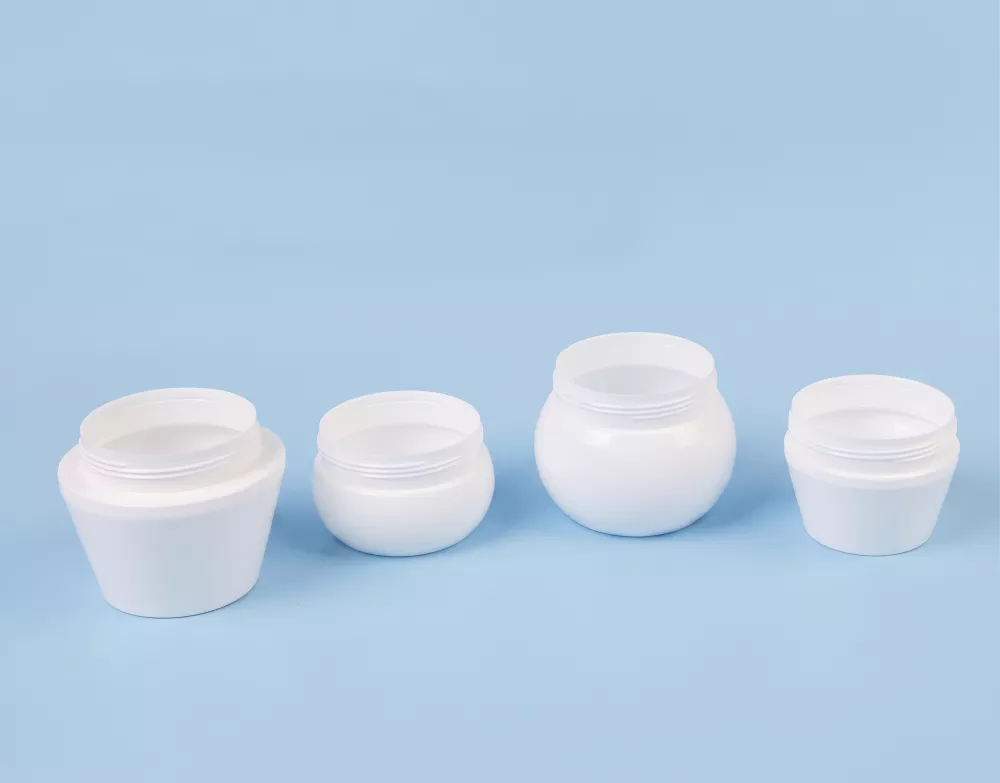
لوازم آرایشی و مراقبت شخصی
PCTG serum flacons, PP lotion dispensers, foundation bottles, travel-size containers. IBM achieves neck-diameter tolerances of plus or minus 0.05–0.10 mm — meeting the standards of premium cosmetic brand owners. Wide-mouth jar formats for cream and mask products.
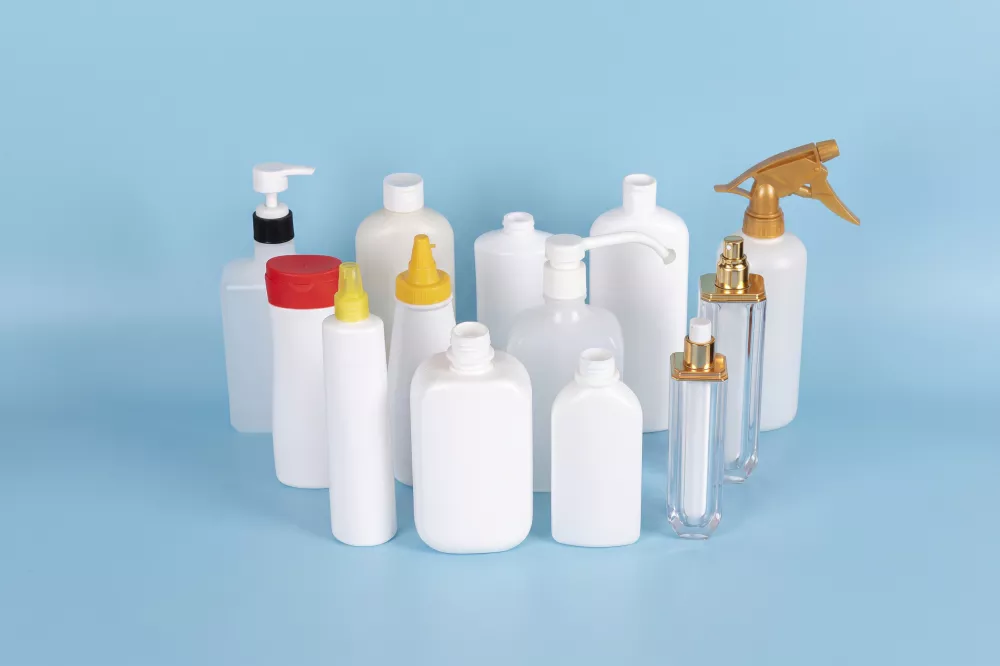
مواد شیمیایی روزانه
High-volume HDPE and PP hand-wash, shampoo, body-wash, fabric conditioner and household cleaning product bottles from 100 ml to 1,000 ml. Zero scrap and uniform wall thickness reduce both material cost and filling-line waste versus extrusion blow molding alternatives.
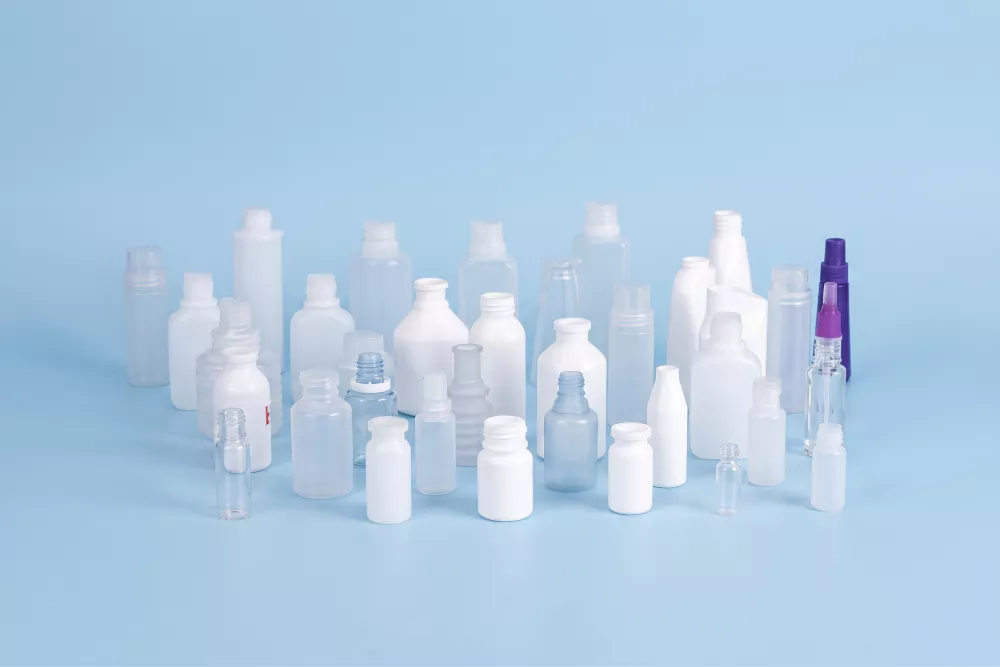
Eyedroppers & Nasal Spray
LDPE and HDPE eye-drop squeeze bottles from 5 ml to 30 ml, and nasal-spray bottles requiring consistent tip geometry. The IBM process forms the dropper-tip opening in the injection mould to dimensional tolerances that extrusion blow molding cannot reliably achieve.
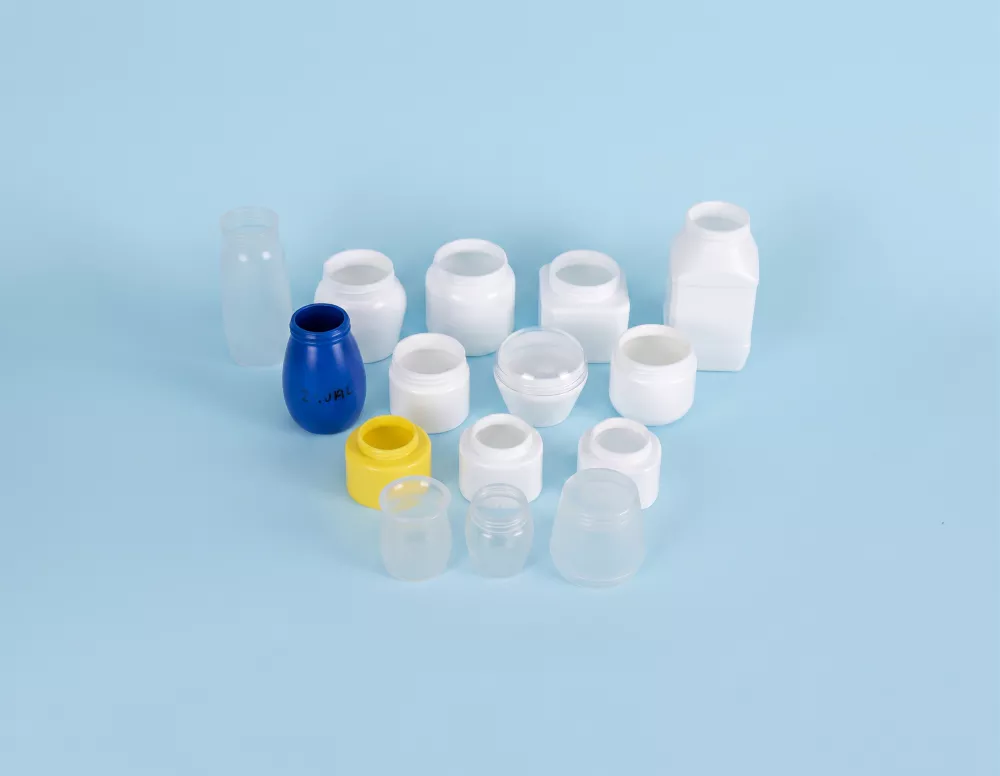
Wide-Mouth Jars
Wide-mouth PP and HDPE jars for cosmetic creams, supplement powders, protein powders, food condiments and candle containers. The injection-moulded neck ensures thread and sealing-surface dimensions are consistent across high cavity counts — critical for automated capping lines.
Health Supplements & Food
PP and PCTG capsule, tablet and liquid supplement bottles from 100 ml to 1,000 ml. PS lactic-acid bacterial drink bottles (65–250 ml), drinking yoghurt containers and liquid condiment bottles. The 22:1 screw L/D ratio provides melt homogeneity for optically clear PS output.
Mould Quality Standards for Precision IBM Output
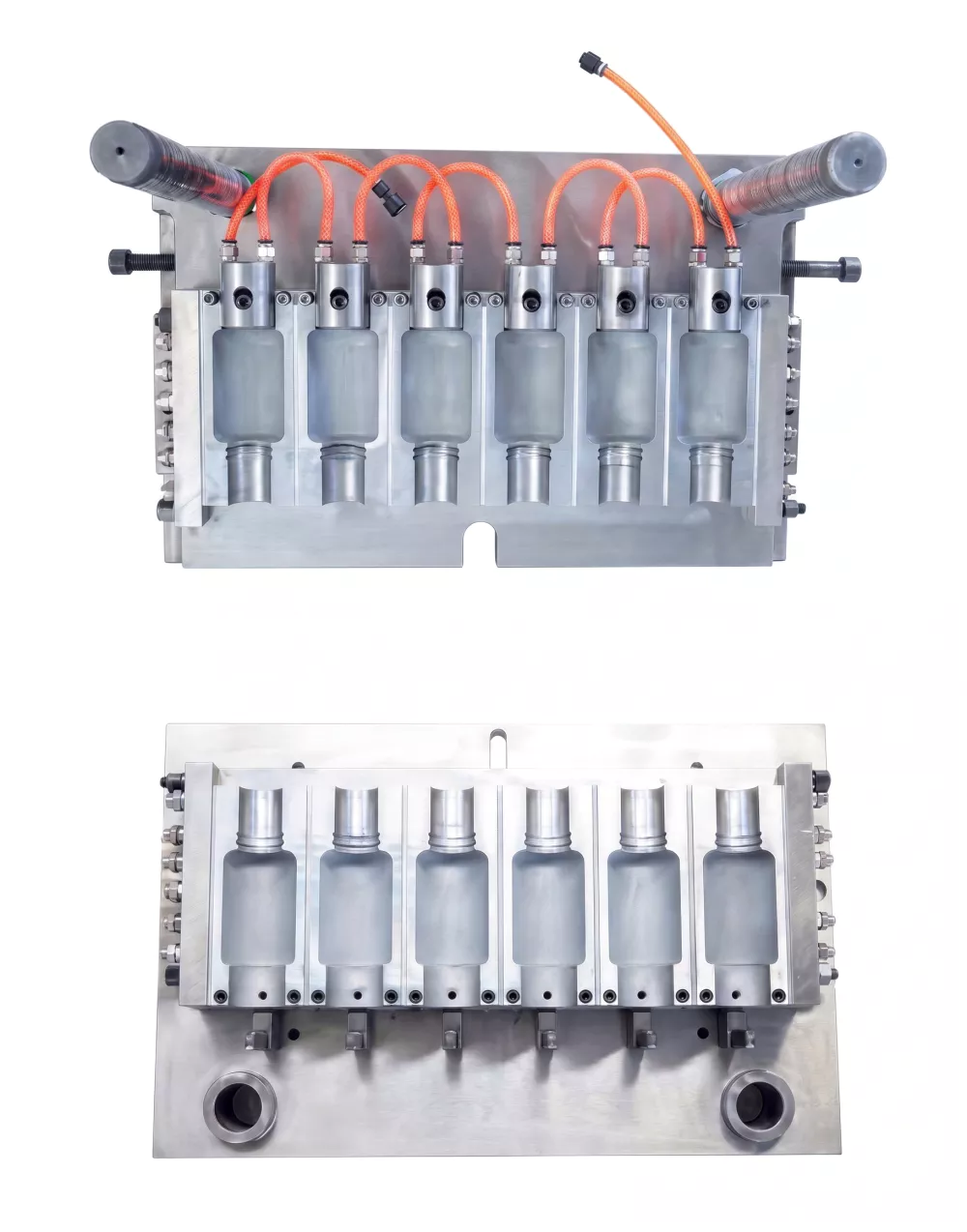
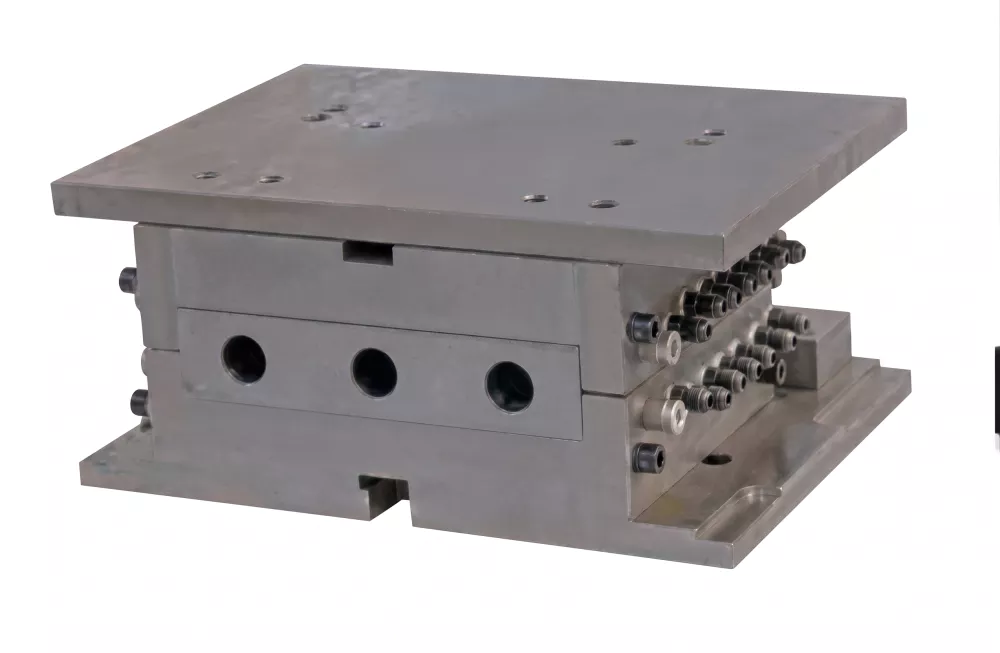
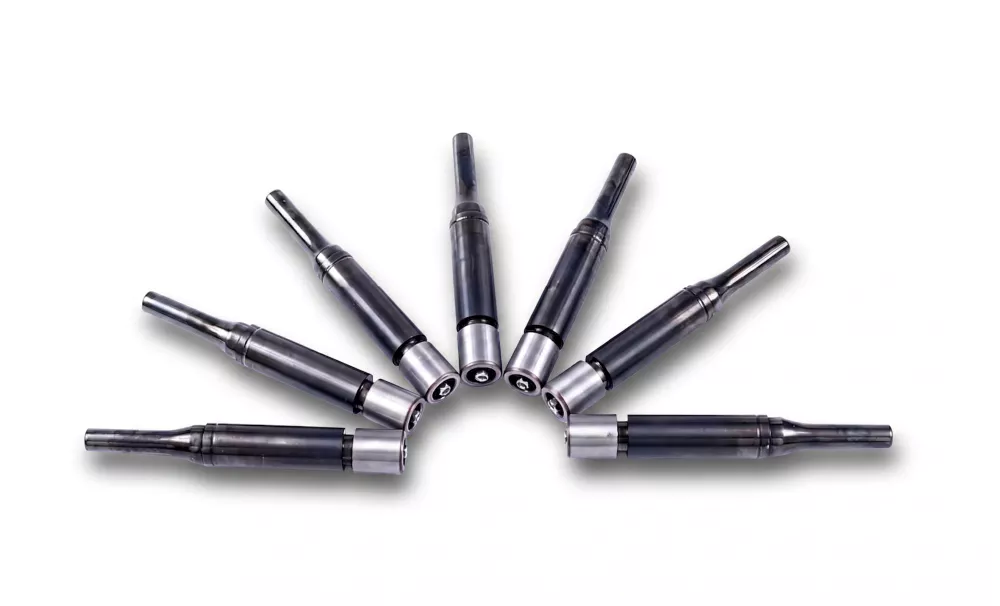
Every machine is co-engineered with its tooling. Injection moulds, blow moulds, core pins, neck blocks and hot-runner systems are designed as a matched system to achieve the dimensional consistency and cycle-time stability that the IBM process demands.
Premium Mould Steel — S136 and 4Cr13
Injection mould bodies are machined from imported S136 high-strength alloy steel or 4Cr13 stainless steel, with all cavity surfaces finished to mirror standard. Blow mould bodies may use magnesium-aluminium alloy for improved cooling performance and extended service life.
Activity-Design Neck Blocks with Dedicated Oil and Water Channels
Injection mould cavities and neck blocks use an activity design with specially engineered oil and water channels that can be changed conveniently to ensure stable preform body dimensions. This design maintains consistent temperature across all neck-block positions, reducing inter-cavity weight variation across long production runs.
Optimised Hot Runner System — Minimum Gram-Weight Deviation
The hot runner and preform geometry are co-designed to minimise gram-weight deviation and inter-cavity wall-thickness variation. This delivers the fast cycle times and stable cavity fill balance that define output quality across high cavity counts. Bottle size, weight, mould line and wall thickness are consistent across all cavities.
100% Sealed Neck Finish — No Flash on Mouth or Bottom
Neck threads, finish height and bore diameter are dimensioned in the injection mould to closure-compatibility tolerances of plus or minus 0.05–0.10 mm. There are no burrs or non-waste on the mouth or bottom of the bottle. Bottle bottoms are flash-free with excellent convex geometry for filling-line stability.
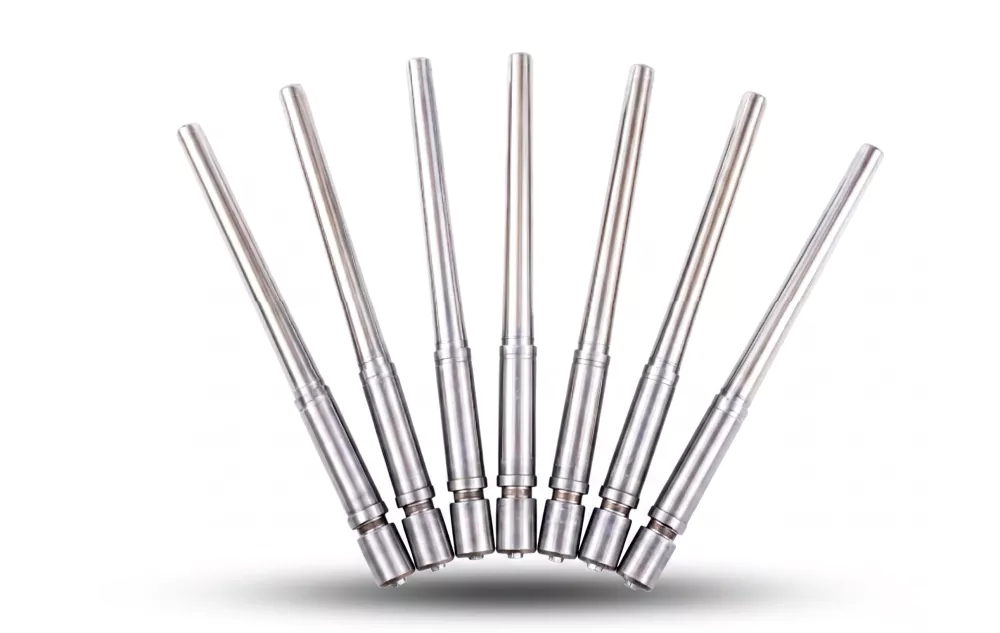
Special-Structure Core Pins with Internal Cooling
Core pins feature a special structure with internal cooling channels designed for rapid and uniform heat extraction. The high cooling efficiency reduces cycle time and ensures that the preform temperature profile entering the blow station is consistent cavity-to-cavity — the key to uniform wall distribution in the finished bottle. Pin dimensions are precision-ground for exact closure fit.
Long Mould Life Through Structural Rigidity
The 20–30% stronger injection clamping force means parting surfaces never experience the deflection-induced wear that shortens mould life on lower-clamping machines. Combined with the premium mould steels and surface finishes, tooling life is substantially extended versus moulds running on machines with insufficient clamp tonnage at equivalent cavity count.
Standard Machine Component Specification
Every EP-ZQ injection blow molding machine is built with internationally sourced branded components. The following standard specification list covers all current EP-ZQ series models.
| No. | Component Name | Brand / Supplier | Place of Origin |
|---|---|---|---|
| 1 | Computer (PLC) | Hongxun | Taiwan |
| 2 | Oil Pump Servo Driver | Hongxun | Taiwan |
| 3 | Servo Motor | Fisi | Italy |
| 4 | Oil Pump | Ekor | Germany |
| 5 | Hydraulic Valve | Oil Research | Taiwan |
| 6 | Five-Star Motor | Staver (Haitian) | China |
| 7 | Electronic Ruler | Gefran | Italy |
| 8 | A.C. Contactor | Schneider | France |
| 9 | Heating Relay | YANMING | Taiwan |
| 10 | O-Type Ring | HALLITE | England |
| 11 | Seal Ring | HALLITE | England |
| 12 | Travel Switch | YANMING | Taiwan |
| 13 | Air Switch | Schneider | France |
| 14 | Oil Pipe | ISR | USA |
| 15 | Air Valve | Festo | Germany |
| 16 | Servo Rotary Motor | Huichuan | China |
| 17 | PCS Carton | Mecano | China |
Component specifications are for reference. Actual supply brands may vary by batch and model configuration.
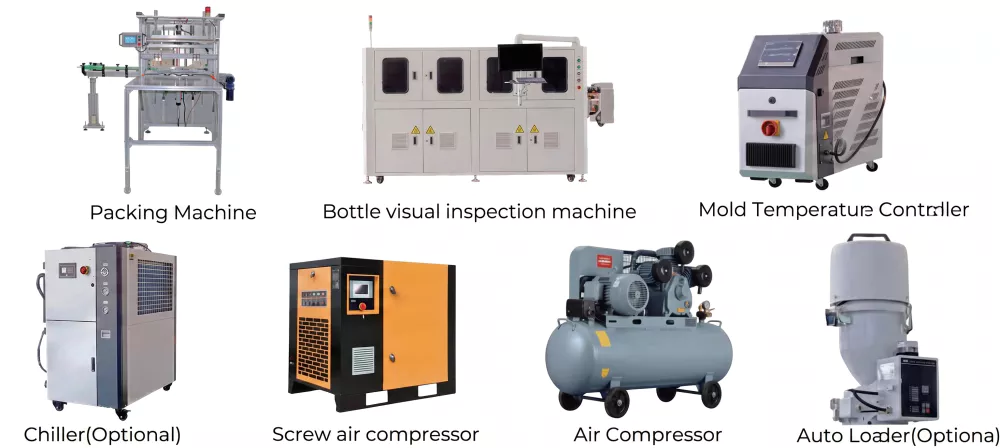
Auxiliary Equipment for a Turnkey IBM Installation
Every injection blow molding machine integrates directly into a complete bottle production and filling line. The following auxiliary equipment items are available as part of a turnkey project. A recommended auxiliary equipment list is provided with every machine quotation.
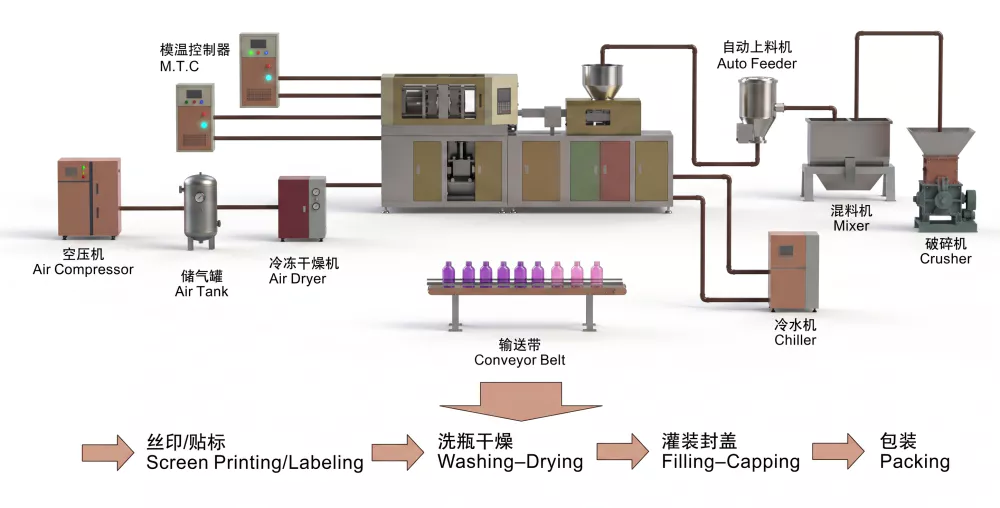
Complete IBM Production Line — From Resin to Packed Bottles
A complete injection blow molding line integrates the IBM machine with upstream resin feeding, downstream bottle conveying, filling, capping and packing. Ever Power provides the IBM machine and the full auxiliary equipment package as a coordinated turnkey solution. The production flow covers: Air Compressor — Air Tank — Air Dryer — Mould Temperature Controller — IBM Machine — Conveyor Belt — Chiller — Bottle Visual Inspection — Screen Printing / Labeling — Washing and Drying — Filling and Capping — Packing.
Service & Support for Every Machine
Every injection blow molding machine ships with full documentation and is backed by a dedicated after-sales engineering team. Support covers installation, training, scheduled maintenance and around-the-clock emergency assistance.
Installation & Commissioning
Experienced senior engineers are responsible not only for equipment installation but also for successful and stable production status and overall training. The machine is not signed off until it is producing in-spec bottles at rated output. Mould commissioning, cavity-balance verification and first-run parameter tuning are all included.
Scheduled Preventive Maintenance
To avoid machine wear and save maintenance cost, our team provides regular reminder service to advise preventive maintenance of the machine and moulds. Periodic site visits inspect wear components, verify hydraulic pressures and temperatures, calibrate rotary table indexing position and advise on upcoming actions before they become unplanned downtime events.
Around-the-Clock Technical Helpline
Our service hotline is available all day, 24/7. As long as your equipment has an emergency, please contact us. Technical support by telephone and video call covers fault diagnosis and process troubleshooting. Spare-parts inventory for all current models is maintained in stock. Emergency dispatch of critical components is available on request.
Personalised Operator & Maintenance Training
In addition to normal installation technical training, personalised training is provided to help users understand machine operation, mould process, maintenance and so on. Training covers process parameter setting, mould change procedure, preventive maintenance schedule and fault diagnosis. A maintenance manual and recommended spare-parts list ship with every machine.
Ready to Specify Your Injection Blow Molding Machine?
Send us your bottle drawing, target material, required cavity count and monthly output. Our engineering team will respond with a machine recommendation, mould configuration and indicative pricing — with no obligation.